

Audio By Carbonatix
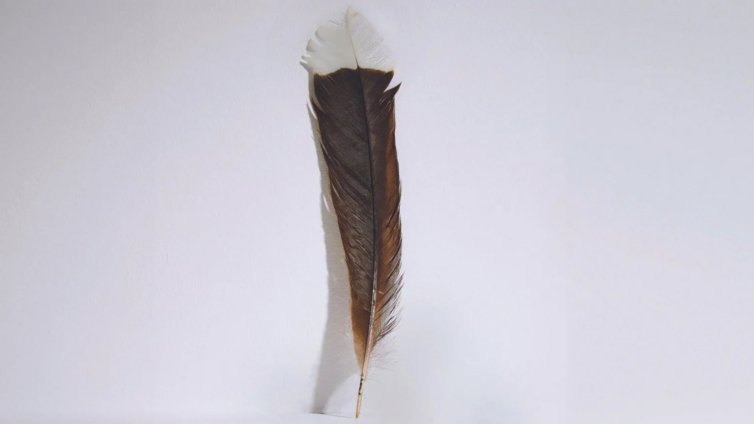
A single feather of the now extinct New Zealand huia bird has set a world record after being sold for NZD$46,521.50 ($28,417, £22,409) at an auction.
The feather, initially expected to fetch up to $3,000, broke the previous record which was for a feather of the same species by 450%, the Webb's Auction House said.
The huia bird was sacred to the Māori people. Their feathers were often worn as headpieces by chiefs and their families and also gifted or traded.
Its last confirmed sighting was in 1907, but unconfirmed sightings were reported for twenty to thirty years after that, according to the Museum of New Zealand.
The huia was a small songbird of the wattlebird family in New Zealand and was known for its jumping abilities and beautiful plumage, which is distinct for the white tip across the edge.
The feather sold on Monday was "in wonderful condition", says Leah Morris, Head of Decorative Arts at Webb's Auction House.
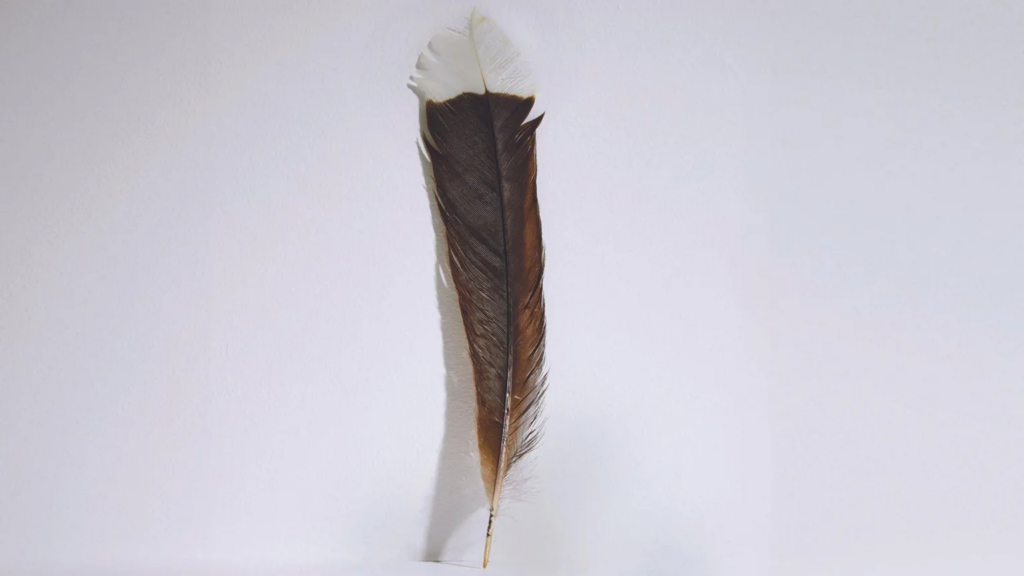
"It still has its very distinct sheen to it, and there was no insect damage," she told the BBC.
She adds that the auction house framed the item behind UV protective glass and with archival paper, which means it will have a "really long life".
The feather is registered as a taonga tūturu under a system to protect Maori made objects. Only collectors who had license in the system were allowed to purchase it, and it can not leave the country without permission from the Ministry of Culture and Heritage.
High interest and enthusiasm from New Zealanders also helped boost the price, according to Ms Morris.
"We got a record number of people are seeing how to become registered collectors," she says. "In New Zealand, we care so much about looking after the land, and the environment and our flora and fauna."
"And I think maybe because this bird is now extinct, we'd look at other birds in New Zealand and say, we don't want that to ever happen again," she adds.
In the past, the huia feathers were a status mark to Māori people. Already a rare bird before the arrival of Europeans, the species became a target for collectors and fashion merchants after it gained popularity among those who came to New Zealand, which led to its extinction, according to the Museum of New Zealand.
Latest Stories
-
Kwakye Ofosu says cost of living eased under Mahama government
33 minutes -
Total banking deposits stood at GH¢302.0bn in October 2025, but foreign currency deposits contracted by 21%
44 minutes -
Interior Minister calls for collective action to enhance security in Ashanti Region
48 minutes -
Baobab: Tree of life dying as climate change ravages Northern Ghana
50 minutes -
Extradition of Ofori-Atta and Tamakloe-Attinou could take up to three years – Victoria Bright
55 minutes -
Government pledges support for Accra commuters amid transport challenges
57 minutes -
GES probes alleged feeding problems at Savelugu Senior High School
59 minutes -
Government is reviewing Saglemi Housing deal and private takeover – Kwakye Ofosu
1 hour -
Nana Ama McBrown, Kate Henshaw headline Women of Valour London 2026
1 hour -
David Asante’s contributions at GPCL must be recognised – Vicky Bright
1 hour -
I don’t want my people to be mistreated by ICE — Ambassador Victor Smith tells US Senator
1 hour -
Detained fugitives: If you’re not prepared to be accountable, don’t hold public office – Vicky Bright
2 hours -
Adutwum outlines vision for a growth-minded Ghana, draws lessons from global experiences
2 hours -
I wish former CSA boss Dr Antwi-Boasiako continues in office – Sampson Lardy
2 hours -
Kotoko maintain title ambition despite mixed results – Sarfo Duku
2 hours