

Audio By Carbonatix
Youth Harvest Foundation Ghana (YHFG), a youth-focused NGO has identified the Kasena-Nankana West and Talensi districts to be among the districts recording high rates of teenage pregnancy in the Upper East Region.
Four other districts; Builsa South, Bongo, Bawku West and Nabdam have also been identified as districts recording high rates of teenage pregnancies, with parental irresponsibility and inadequate Reproductive Health Education identified as major contributory factors.
To help address the problem, Youth Harvest Foundation Ghana has intensified its community-based Reproductive Health Education (RHE) programme for adolescents aged 10 – 19 years.
The programme was launched in October 2020, with the aim of providing age-appropriate information and knowledge on Adolescent, Sexual and Reproductive Health (ASRH) issues and to promote positive behaviors among adolescent girls and boys in the target communities.
The overall goal is to contribute to improving young people’s access to Reproductive Health Education and services in the Upper East Region.
The programme is being implemented in six communities in the Kassena-Nankana West District and four communities in the Talensi District.
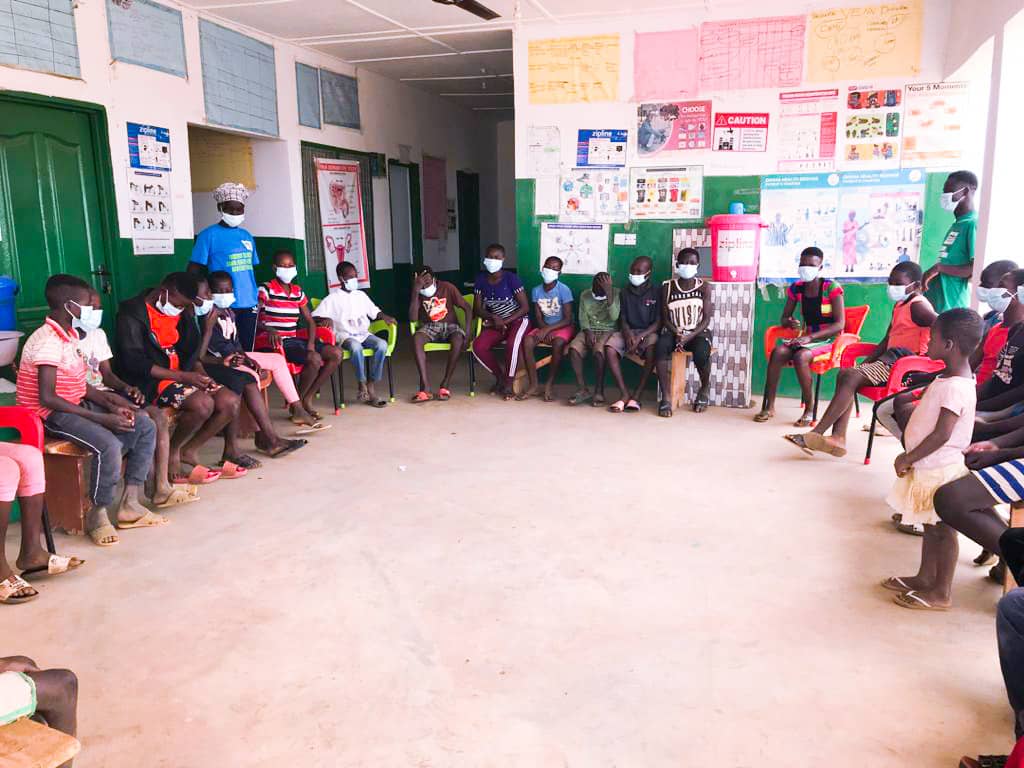
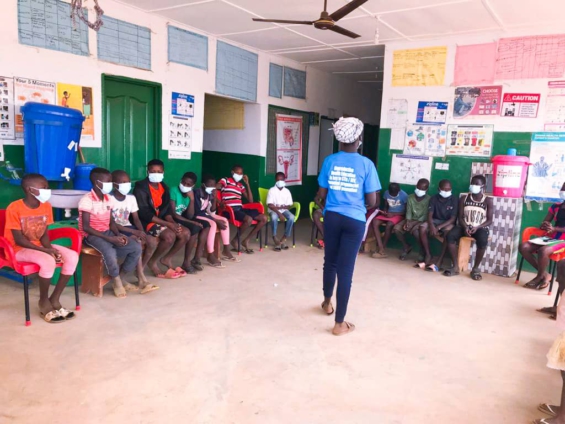
As part of the programme, 23 ambassadors from the two districts were trained and provided with educational materials to support lesson delivery to adolescents in their communities.
These adolescents were put into two clubs of adolescents: those between 10 – 14 years and those of them between 15 – 19 years. This helped them receive age - appropriate Reproductive Health Education, once every week.
Due to closure of school as a result of the COVID-19 pandemic which coincided with the launch of the programme, the intervention was targeted at both in and out-of-school adolescents, to help reduce the likelihood of increased teenage pregnancies, Sexual and Gender-Based Violence (SGBV) and child marriages, which could affect girls’ chances of returning to the classroom when schools re-opened.
The Project Officer, Khadija Hamidu says stakeholders’ meetings were organized for open discussions on the progress of implementation, findings of a baseline study of club members and call for the continuous support of communities for implementation of the project in 2021.
“We are aiming to reach 3,000 young people, directly and indirectly with Reproductive Health Education in the two target districts” she said.
“In addition, 150 community and district stakeholders including; Chiefs, Queen Mothers, Assembly Members, Religious Leaders, Youth Leaders, Women’s Group Leaders, Nurses, Teachers, NGOs working in the communities and Department of Community Development and Social Welfare officers will benefit from the programme through capacity building and knowledge sharing workshops”, Khadija revealed.
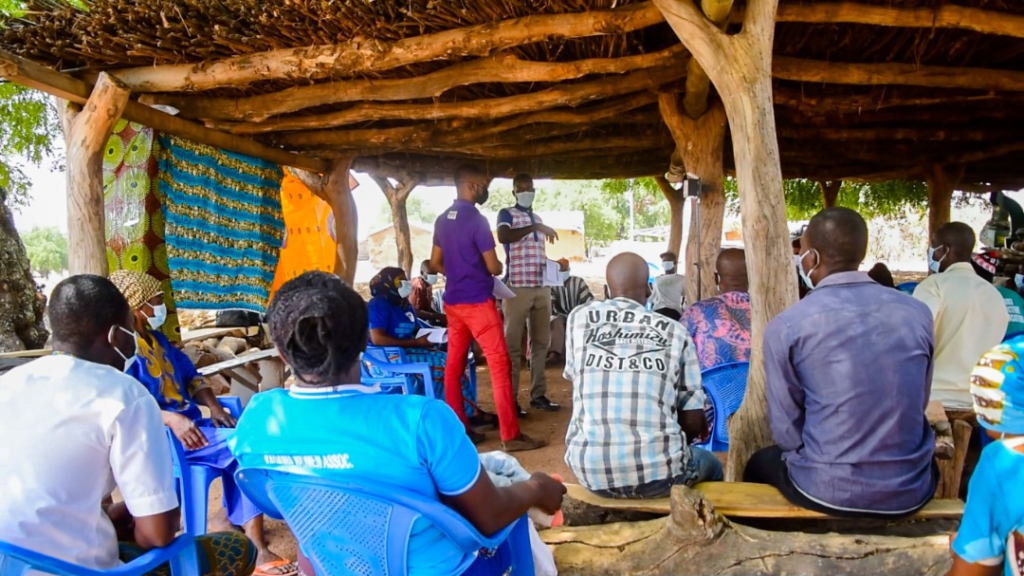
“The increased knowledge and understanding of these stakeholders about the concept of RHE will increase their support for the programme”, she added.
Sharing his experience, a 19-year-old member of the Adolescents Club at Kayoro in the Kasena – Nankana West district, Isaac Balua said some parents and his peers had negative perceptions about Reproductive Health Education.
“They think such education will promote promiscuity among the adolescents and that discouraged some of my friends from attending club meetings” he said.
He appealed to the community leaders and parents to get involved in the project, as that would help them understand its objectives, so they can support YHFG succeed in the implementation of the project.
The Paramount Chief of the Kayoro Traditional Area, Pe Oscar Batabi Tiyiamo II commended YHFG for the work done and called on his community members to support their cause.
“If we work together, we can come up with bye-laws and other measures that can be instituted and enforced to help deal with perpetrators of Child Marriage, Sexual and Gender-based Violence and related offenses” he said.
Latest Stories
-
What Is Wrong With Us: We queue for the Colosseum while our own Castles crumble
12 minutes -
Pius Hadzide challenges scandal label on 2018 Australia visa affair
5 hours -
Trump says he is considering firing US ambassador to Greece
5 hours -
Man City bananas ‘brought fun back’, says Varadi
5 hours -
Meta releases Muse Wonder AI models to challenge Anthropic and OpenAI
5 hours -
Daily Insight for CEOs: The CEO as Chief Decision Maker
5 hours -
Burnham had formal meeting with Man City chair while mayor
5 hours -
Is Ghana producing too many lawyers? What is the best lawyer-to-citizen ratio?
5 hours -
NDC sinking Ghana’s democracy with Emelia Agbenyo’s appointment – Miracles Aboagye
5 hours -
Seedorf back in football as Corinthians head coach
6 hours -
Hincapié and Zubimendi injured in post-match training session
6 hours -
Fridges in French supermarkets hit by cyberattack
6 hours -
Qantas flight grounded after bedbug outbreak
6 hours -
Reality Zone with Vicky Wireko: International Day of the Girl, shaping today’s girl for tomorrow’s future – ZONTA Clubs lead the way
6 hours -
Global health must be led by countries, not designed for them – Mintah Akandoh
7 hours