

Audio By Carbonatix
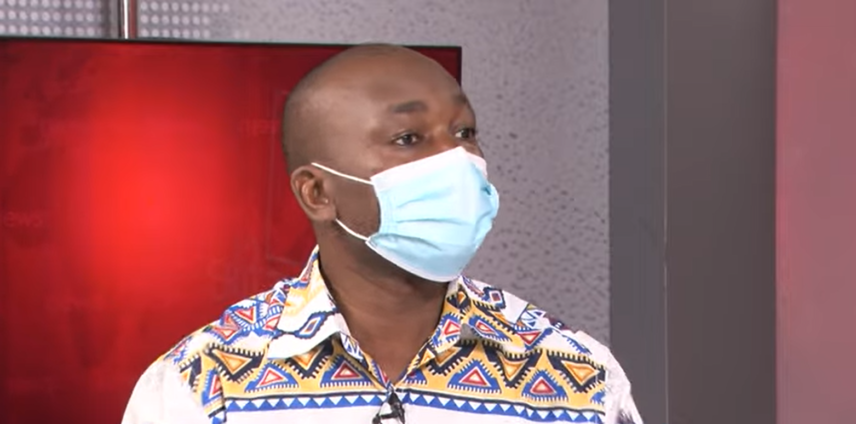
An Economist at the University of Ghana Business School (UGBS), Prof. Godfred Bokpin, has blamed the government for its failure to address the inefficiencies and low compliance with existing tax policies over the years.
He says government’s inability to block the leakages in tax revenues is what has rendered the economy weak, a development he warns could deprive the state of its objective to remain competitive on the digital economy market.
In an interview on Prime Morning on Thursday, February 3, Prof. Bokpin stated that the introduction of the Electronic Transactions Levy (e-levy) may not cause any significant change in the economic narrative of the country.
He noted that the principle underpinning the e-levy is problematic, adding that “you don’t explain your failure by introducing new tax handles which are a bit more regressive and anti-growth in the digital era.”
“I think the e-levy should not even be an AOB for a discussion, let alone an agenda itself; it’s not the way to go, it should not even be the last resort for now given the effect of Covid on our economy.”
“You want to look at the overall drive of the country and you realise that imposing this tax is more or less to reverse or redirect the direction of this economy and you’re going to lose massively in terms of competitiveness in the digital economy,” he told Prime Morning Host, Emefa Akosua Adeti.
The academic observed that within the context of the global economic strategy and the fact Ghana should not be left behind, it is premature to contemplate on passing the e-levy now.
According to him, “it’s like the state is dipping its hands directly into people’s pockets and eating into their capital; what you are doing is to undermine domestic private sector and individuals from accumulating capital in order to maximise their participation in the economy.”
“Unfortunately, we are even talking about e-levy as though that is the panacea to our fiscal gap; that’s not true. Ghana’s problem is beyond the introduction of e-levy; wastefulness, corruption and inefficiencies accommodated at the level at which we are operating now [and] over the years, introducing e-levy to get GHC6.9 billion is not the solution. We would be here next year talking about more revenue,” he added.
Latest Stories
-
We will be losing twice if these commodities expire at the port – CSOs Coordinator warns
3 minutes -
Setting up national champions to fail: the case of Ibrahim Mahama and E&P
4 minutes -
Rwanda’s capital embraces urban farming as development squeezes rare land
6 minutes -
Argentina passes bill loosening protection of its glaciers
6 minutes -
Sammi Awuku to question GMA in Parliament over vessel linked to alleged drug trafficking
19 minutes -
Trapped miner rescued from flooded Mexican tunnel after 14 days
28 minutes -
NPRA to prosecute employers over unpaid Tier 2 Pension contributions — Deputy CEO warns
33 minutes -
ACCPA calls for Africa’s strategic repositioning at NUS, Singapore
41 minutes -
Oil prices rise as concerns grow over ‘fragile’ US-Iran ceasefire
44 minutes -
Crude production hits 6-year low—PIAC calls for urgent investment plan
53 minutes -
NPP revises internal election guidelines to strengthen transparency and inclusiveness
2 hours -
NACOC set to issue licences to qualified applicants for cannabis cultivation – Deputy Director-General
2 hours -
Easter Outreach: Victory Bible Church offers free healthcare, NHIS support to hundreds
2 hours -
NPP cannot pressure Mahama to sign a bill not yet received—Solomon Owusu
2 hours -
MPs, institutions deepen support for Ghana Sports Fund with fresh contributions
2 hours