

Audio By Carbonatix
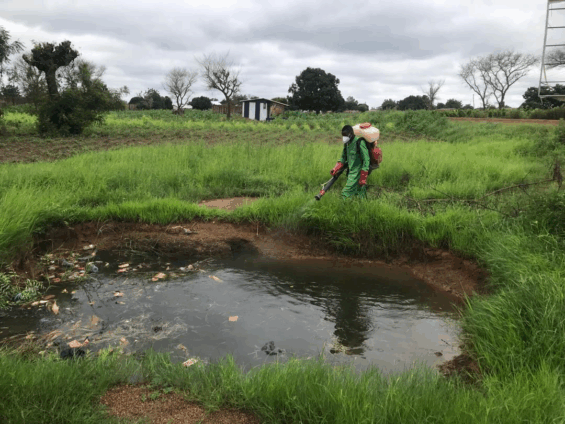
Zoomlion Ghana Limited is spearheading a nationwide Larval Source Management (LSM) programme, targeting the disease at its root: mosquito breeding grounds.
This is the waste management giant's fight against malaria.
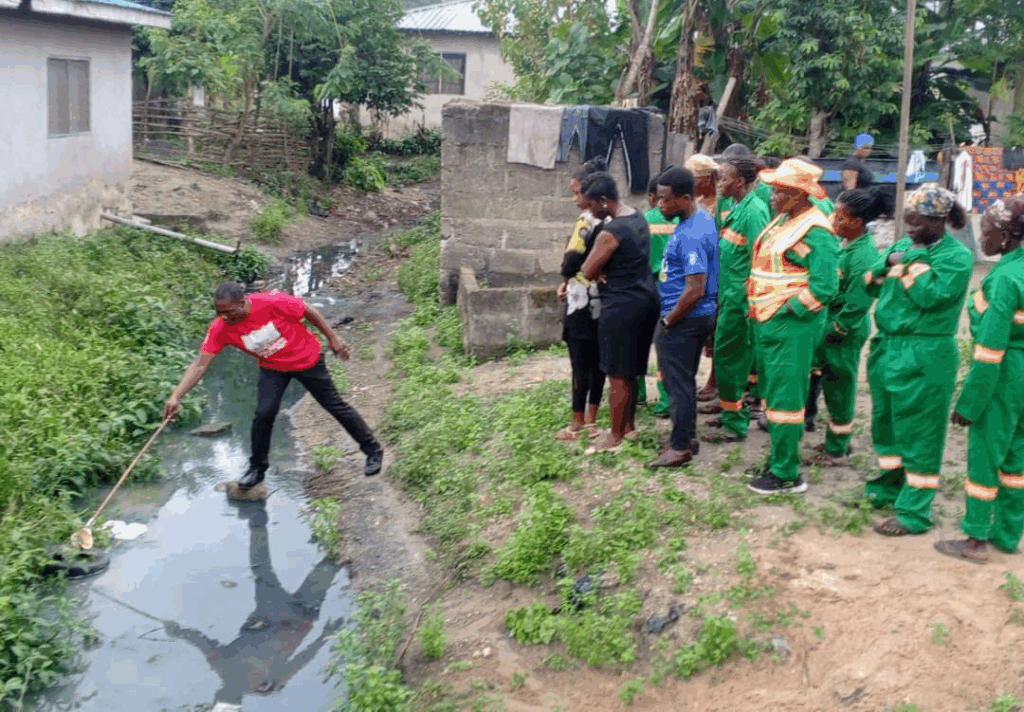
This initiative, under the directive of the Ministry of Health (MoH) and the Ghana Health Service (GHS), marks a strategic shift from controlling malaria towards its complete elimination.
The programme, a core component of the National Malaria Elimination Programme (NMEP), moves beyond treating symptoms and biting adult mosquitoes to systematically destroying larvae before they can hatch and spread disease.
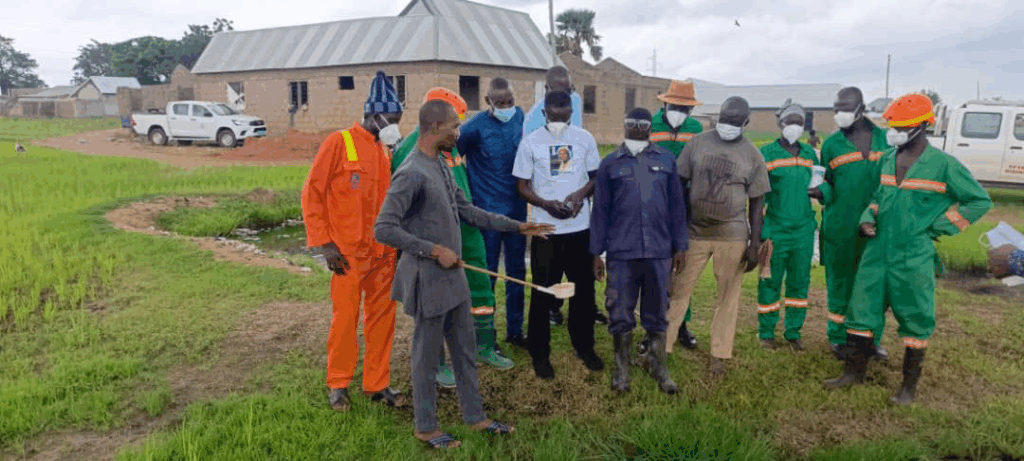
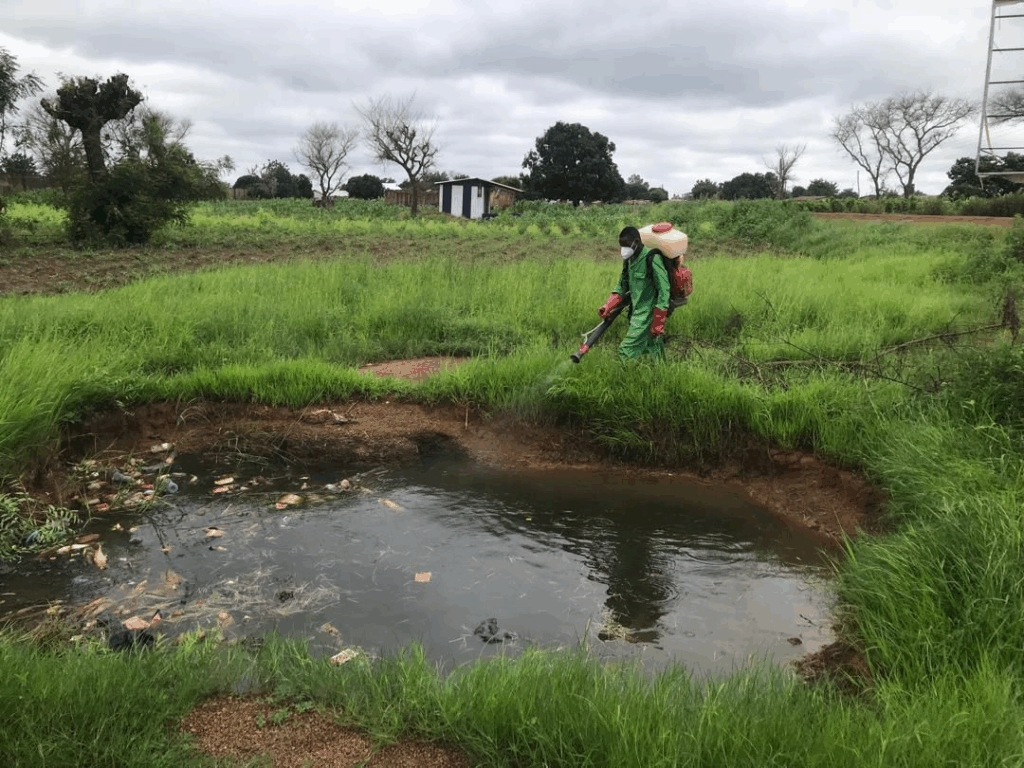
The multi-faceted approach includes land reclamation to permanently alter breeding sites, routine clearing of streams, and the targeted application of environmentally sensitive biological and chemical agents.
“We are not just controlling the mosquito population; we are working to break the chain of transmission entirely,” a statement from the company read.
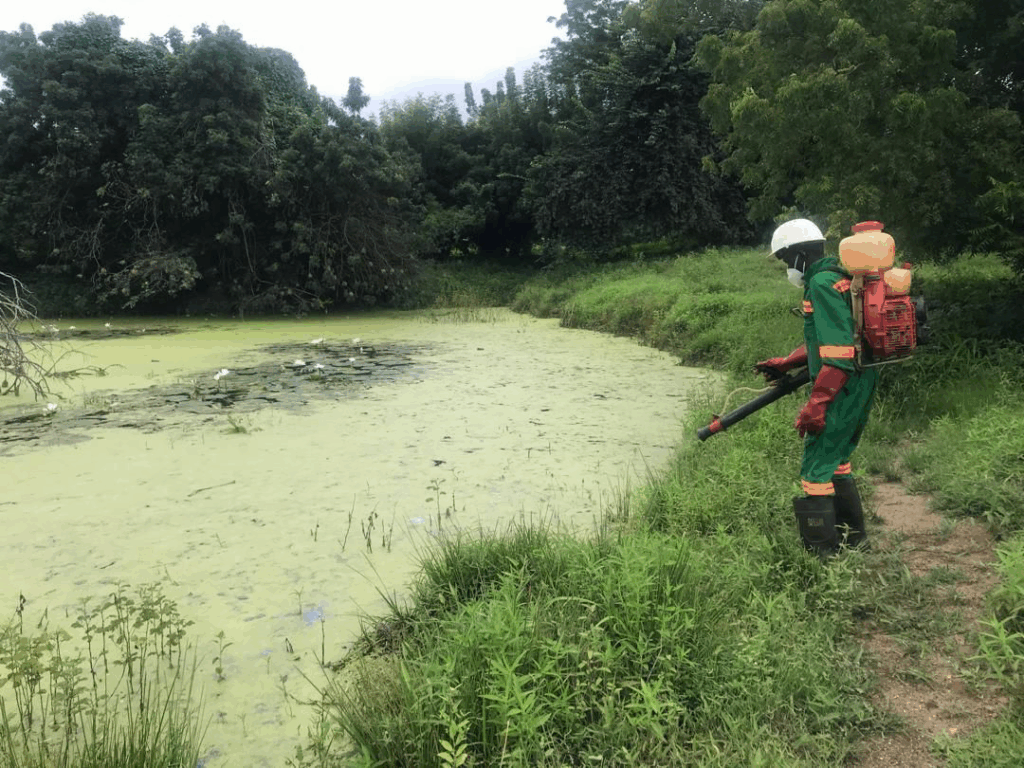
“By stopping the mosquito before it becomes a flying, biting adult, we prevent malaria, dengue, and other vector-borne diseases from ever reaching our communities.”
The implementation is a collaborative effort, leveraging the expertise of the Noguchi Memorial Institute, the School of Public Health, and regional health authorities.
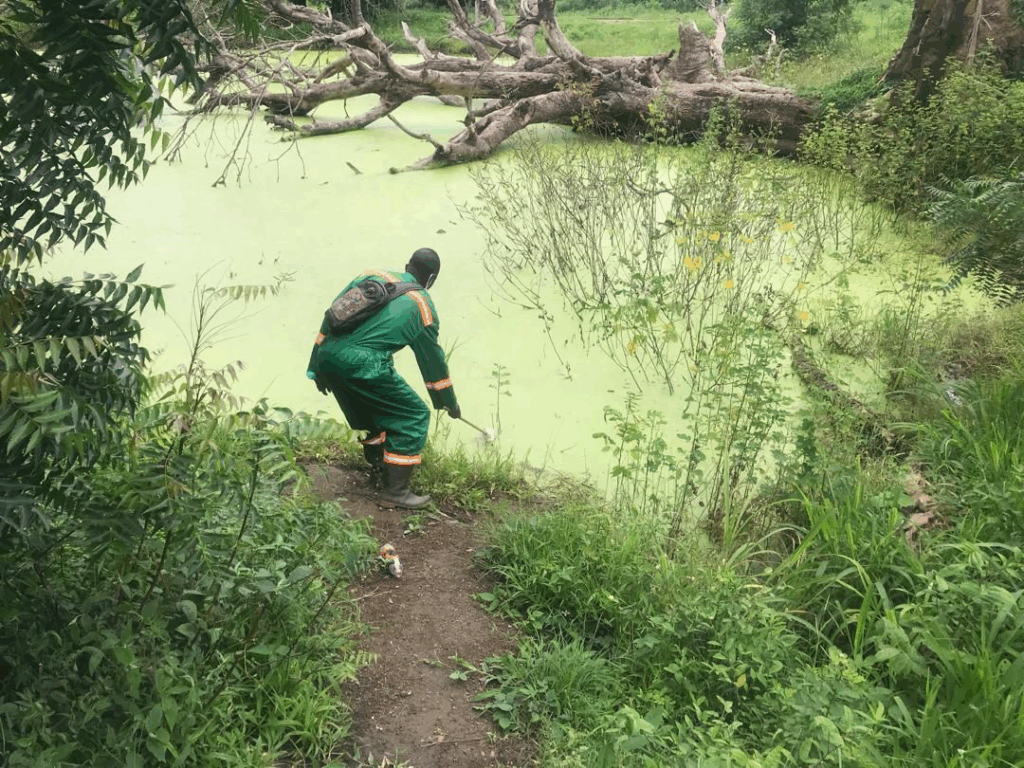
A key to its success is the mobilisation of community volunteers, empowering locals to identify and help clear standing water in their immediate surroundings.
The benefits of this source-based strategy are profound. It is a cost-effective method that reduces the need for large-scale insecticide spraying, minimises environmental impact, and protects the efficacy of other malaria control tools.
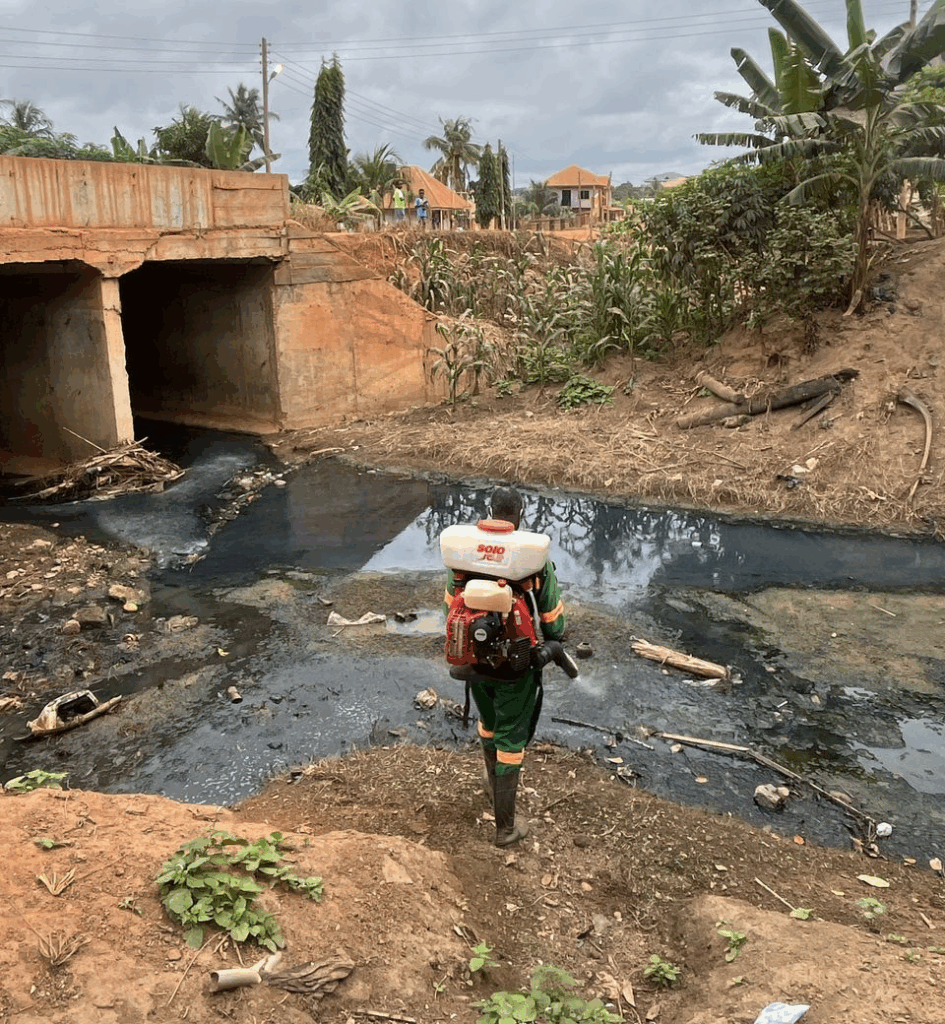
Most importantly, it directly translates to improved public health through fewer infections and fatalities.
Against this backdrop, Zoomlion urged all citizens to join this critical mission.
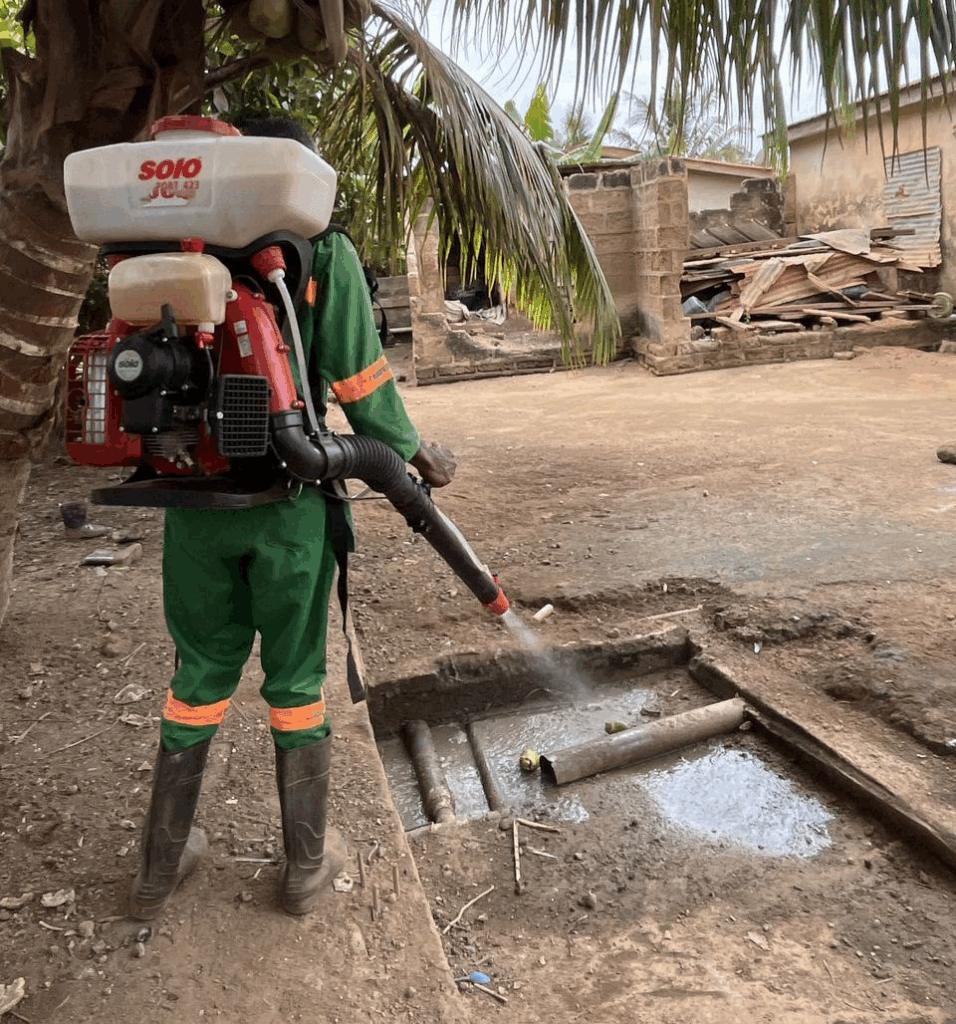
Communities are encouraged to be vigilant—reporting stagnant water sites, covering water containers, and clearing clogged gutters to deny mosquitoes a place to breed.
“Eliminating mosquito breeding sites is synonymous with eliminating malaria,” officials emphasised. “This is a long-term fight, and with nationwide participation, victory is within our grasp.”
Latest Stories
-
Health Ministry engages Ga Mantse ahead of Free Primary Healthcare launch
7 minutes -
We can tackle multiple priorities – Sam George defends Anti-LGBTQ Bill push
41 minutes -
Statement: Ghana Chamber of Mines’ Response to Claims in Joe Jackson’s “Ananse Stories about the Economy of Ghana”
43 minutes -
GES opens 2026 teacher recruitment for licensed B.Ed graduates
45 minutes -
Ghana must value skilled trades, build resilient learners — Ibn Chambas
53 minutes -
Ghana must rethink education around relevance, resilience and responsibility — Ibn Chambas
56 minutes -
Prince Harry faces defamation lawsuit from charity he co-founded
58 minutes -
South Korea deploys thermal cameras to track escaped zoo wolf
60 minutes -
Calls for royal meeting with Epstein survivors grow ahead of US visit
1 hour -
Ibn Chambas advocates blend of technology and human values in education
1 hour -
UMA improves healthcare access in Asutifi North with GH₵700k ‘Kim Taylor Legacy’ Walkway
1 hour -
Scholarships Authority and Fanaka University offer sponsorship for procurement and supply chain studies
1 hour -
Bisa Kdei drops new single ‘Go N Look’ featuring Medikal
1 hour -
Benin facing rising terrorism in north as French military presence faces growing criticism
1 hour -
UEW Public Lecture Series 2026: Education debate ‘about the soul of Ghana’s future’ — Dr Ibn Chambas
1 hour