

Audio By Carbonatix
Deputy Finance Minister, John Kumah has said that the GH₵100 limit for the e-levy is meant to protect the poor and vulnerable in society.
According to Dr. John Kumah, the Ministry conducted a survey, the outcome of which informed the decision to exempt transactions up to GH₵100 from the levy.
The e-levy, which was announced by the Finance Minister, Ken Ofori-Atta, when he presented the 2022 budget, will take effect from January, 2022 if approved by Parliament.
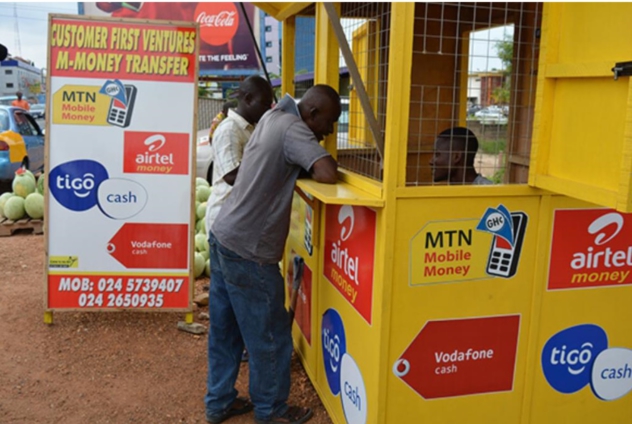
Dr. Kumah explained that the exemption will enable the many poor people who use mobile money for their transactions, to continue using the service.
"So we noticed that about 30 percent of people who use Momo in Ghana do not do more than GH₵100 a day and that covers the poor category of Momo users. This policy exempted any Momo transaction that is up to GH₵100 and below GH₵100".
The Deputy Minister was on Joy FM's Super Morning Show on Thursday to address concerns that have arisen from the presentation of the 2022 budget to Parliament on Wednesday.
He clarified that it is the sender, and not the receiver who would bear the cost of the 1.75 percent charge on e-transactions that are above GH₵100.
The reason for this, he said is because usually, those who receive money electronically are the same category of people who need support, and thus don't need to be taxed.
"This is one of the progressive taxes in terms of the ability to pay principle in tax. It is one of the most equitable tax in terms of its outreach."
Explaining the progressive nature of the e-levy, Dr. Kumah said, "If you are a banker and you send Momo (mobile money), and you meet the threshold, you pay. If you are a carpenter, a mason, or a farmer, and you send within the threshold, it covers you. There’s nothing like we are over concentrating on a particular section of society.
"If you multiply the GH₵100 cedis a day by the month, you’re getting about GH₵3000. So in our estimation, we analysed that if you earn below or up to GH₵3000, you are exempted from the payment of this e-levy. Your GH₵100 within a day of transaction would be exempted. If you’re sending GH₵150 at a go, your first GH₵100 would be exempted. It means you’re paying on the GH₵50.
We have worked it such that, those who would earn within the month up to GH₵3000, assuming you are sending it all out to somebody, you are exempted up to GH₵3000. That’s the policy. If you send it all in one day, your first GH₵100 will be exempted, and the GH₵2,900 would attract the tax.
"We’re saying that if you can send GH₵2900 in a day, you should be willing to contribute to our nation building. Nobody would build this country for us," he clarified.
Latest Stories
-
Kwaku Azar writes: A-G vs OSP
14 minutes -
Mfantsipim–Adisadel rivalry built excellence, not division – Sam Jonah
38 minutes -
Vice President launches Mfantsipim’s 150 years of shaping Ghana’s greatest mind
55 minutes -
I assure Otumfuo, Mahama will join him to commission KNUST Teaching Hospital by end of this year – Haruna Iddrisu
2 hours -
Gov’t to roll out free special education for persons with disabilities from July 1 – Education Minister
2 hours -
“We used it to test our officiating officials’ readiness” – Bawah Fuseini after CAA Athletics event
2 hours -
Volleyball emerges as Ghana’s fastest rising sport
3 hours -
National Sports Fund needs strong leadership from the top – Administrator David Wuaku
3 hours -
JoySports Exclusive: Steve McLaren in talks with GFA after expressing interest in Black Stars job
3 hours -
Fire guts auto parts warehouse at Bubuashie, one fire officer injured
3 hours -
I owe my victory to coach Ofori Asare – Allotey after winning WBA Africa Gold Super Flyweight belt
3 hours -
Church of Pentecost supports over 2,000 BECE candidates in Obuasi with career guidance seminar
5 hours -
Brandon Asante and Coventry all but promoted to Premier League despite Sheffield Wednesday draw
5 hours -
GPL 2025/26: Late Kwartemaa strike downs Hearts in Tema
5 hours -
Ghana Faces Sierra Leone Moment as Prosecutorial Powers come under strain
5 hours