

Audio By Carbonatix
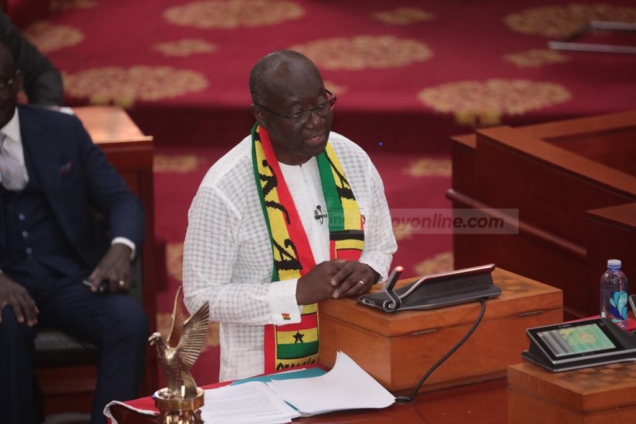
The Minister of Finance, Ken Ofori-Atta has indicated in the 2023 budget statement that Ghana’s public debt has increased by GH₵93 billion ($6.53 billion at current rate) due to the depreciation of the Ghanaian cedi alone since the beginning of 2022.
Meanwhile, the bailout Ghana is seeking from the International Monetary Fund (IMF) amounts to just $3 billion compared to the addition to public debt due to depreciation.
According to the budget statement, the cedi has depreciated by 53.8% and 54.2% against the dollar as of October 2022 and November 2022. The massive depreciation has been due to the inability to access the International Capital Market due to the continuous credit rating downgrades. The tightening of domestic financing conditions and the increasing cost of borrowing has also contributed to further depreciation.
The Minister indicated that there has been a high demand for forex to finance the import bill, including the import of crude, and the financing of electricity has worsened the performance of the cedi and led to the high depreciation. Ghana’s import bill, the budget stated, exceeds US$10 billion annually. Considering the low foreign earnings, it has been difficult to meet the import requirements including crude oil and petroleum products of about US$400m (GH₵4.80 billion) a month. The Ministry of Finance also requires about US$1.0 billion per year to finance the lights in homes and workplaces.
Ghana and the IMF
Ghana is seeking a three-year Extended Credit Facility (ECF) programme of $3bn at the International Monetary Fund. This means that this potential bailout cannot even finance the debt accumulated as a result of the depreciation of the Ghanaian cedi.
The ECF is the Fund’s main tool for medium-term support to countries facing prolonged balance of payments problems, similar to Ghana’s. The duration of such arrangement is between three to four years and extendable to five years. In 2014, Ghana requested a similar arrangement and it lasted four years. However, the level of access and the final programme design is ultimately decided by the IMF Executive Board.
According to the IMF, an IMF-supported programme aims at providing space for Ghana to implement policies that will restore macroeconomic stability and strengthen debt sustainability while protecting the most vulnerable. The programme could help create the conditions for inclusive and sustainable growth and job creation. This will help anchor policy credibility, alleviate exchange rate pressures and provide catalytic effect on financing.
Latest Stories
-
We can tackle multiple priorities – Sam George defends Anti-LGBTQ Bill push
19 minutes -
Statement: Ghana Chamber of Mines’ Response to Claims in Joe Jackson’s “Ananse Stories about the Economy of Ghana”
21 minutes -
GES opens 2026 teacher recruitment for licensed B.Ed graduates
23 minutes -
Ghana must value skilled trades, build resilient learners — Ibn Chambas
31 minutes -
Ghana must rethink education around relevance, resilience and responsibility — Ibn Chambas
34 minutes -
Prince Harry faces defamation lawsuit from charity he co-founded
36 minutes -
South Korea deploys thermal cameras to track escaped zoo wolf
38 minutes -
Calls for royal meeting with Epstein survivors grow ahead of US visit
41 minutes -
Ibn Chambas advocates blend of technology and human values in education
42 minutes -
UMA improves healthcare access in Asutifi North with GH₵700k ‘Kim Taylor Legacy’ Walkway
47 minutes -
Scholarships Authority and Fanaka University offer sponsorship for procurement and supply chain studies
51 minutes -
Bisa Kdei drops new single ‘Go N Look’ featuring Medikal
57 minutes -
Benin facing rising terrorism in north as French military presence faces growing criticism
58 minutes -
UEW Public Lecture Series 2026: Education debate ‘about the soul of Ghana’s future’ — Dr Ibn Chambas
59 minutes -
EU fingerprint and photo travel rules come into force from today
1 hour