

Audio By Carbonatix
Nearly 95 percent of family owned businesses worldwide do not survive beyond the third generation, according to the International Finance Corporation, highlighting persistent governance and succession challenges confronting such enterprises.
The statistic has renewed calls for stronger governance structures and deliberate succession planning to safeguard long term sustainability. Many family businesses struggle with leadership transition, governance gaps, unmanaged growth risks and maintaining family cohesion, factors that often undermine their continuity and legacy.
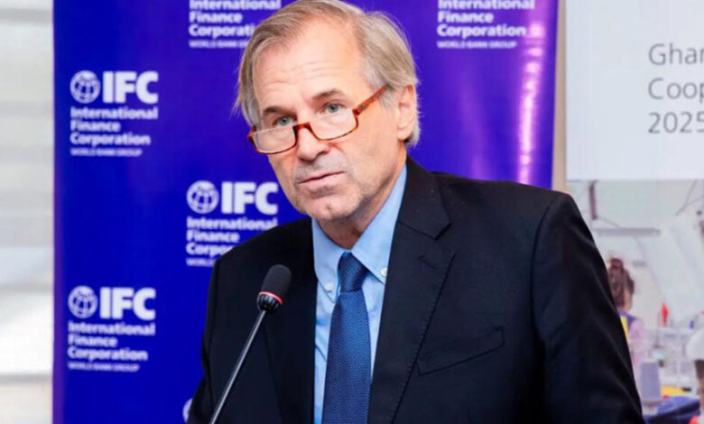
Speaking on the sidelines of the 3rd IFC Family Governance Workshop, the Senior Country Manager for Ghana and Liberia, Kyle Kelhofer, stressed the need for a strategic re-evaluation of governance systems within family owned enterprises.
“Family owned businesses are the engine of business and the engine of growth in most markets around the world,” he said. “Whether you're working with the first or second generation, or even the fourth, fifth and in some cases like Japan, the twentieth generation, governance is fundamental to their sustainability.”
He noted that the private sector accounts for about 90 percent of job creation globally, making strong governance in family owned businesses essential to sustaining employment and private sector development.
“Ensuring solid governance in family owned businesses helps sustain job creation and private sector development in markets around the world, including here in Ghana,” he added.
Family owned enterprises play a critical role in economic growth, particularly in emerging markets where they dominate the private sector landscape. However, experts say that without structured leadership transition frameworks and clearly defined governance systems, many of these businesses risk collapse within a few generations.
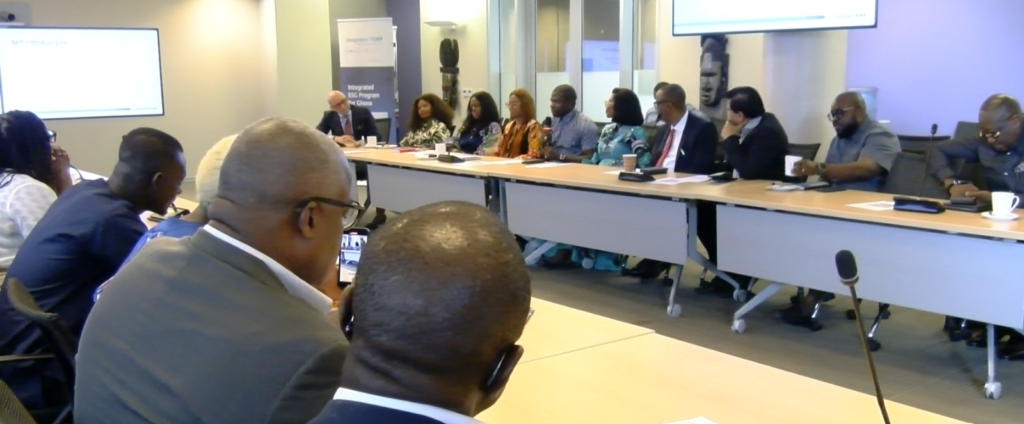
The IFC Family Business Governance Workshop was held under the theme, “Passing the Baton, Preserving Purpose: Managing Generational Transitions,” and focused on equipping family businesses with the tools needed to navigate succession and strengthen institutional structures.
The workshop forms part of IFC’s broader efforts to support sustainable private sector growth and enhance access to finance for domestic enterprises.
Latest Stories
-
Tyson Fury dominates Makhmudov, calls out Joshua next
17 minutes -
I have supported highway authority financially to fix roads in my constituency – A Plus
1 hour -
US, Iran fail to reach peace agreement after marathon talks in Pakistan
2 hours -
ECG kicks off Phase Two of transformer upgrades at Lashibi; brief outages expected
2 hours -
Port crises loom as 11,000 drivers threaten four-day strike
3 hours -
A source of excellence across generations – Vice President Opoku-Agyemang lauds Mfantsipim
4 hours -
(Photos) Mfantsipim School launches historic 150th anniversary
4 hours -
Knights and Ladies of Marshall group backs Catholic Bishops’ stance on anti-LGBTQ+
5 hours -
Bright Simons writes: All the Filla in the Ibrahim Mahama/E&P – Gold Fields Saga
6 hours -
Monetise Idiocy In Ghana
6 hours -
The Ghanaian prophet and the mysterious death of his scottish wife Charmain Speirs
7 hours -
Nearly 400 sentenced in Nigeria for links to militant Islamists
7 hours -
Ghana’s recovery supported by gold strength despite global oil price pressures – Standard Bank Research
7 hours -
Methodist Church hails Mfantsipim@150; calls for “fresh consecration” to excellence
7 hours -
‘Excellence is our inheritance’ – Nana Sam Brew-Butler hails Mfantsipim’s 150-year reign in leadership
8 hours