

Audio By Carbonatix
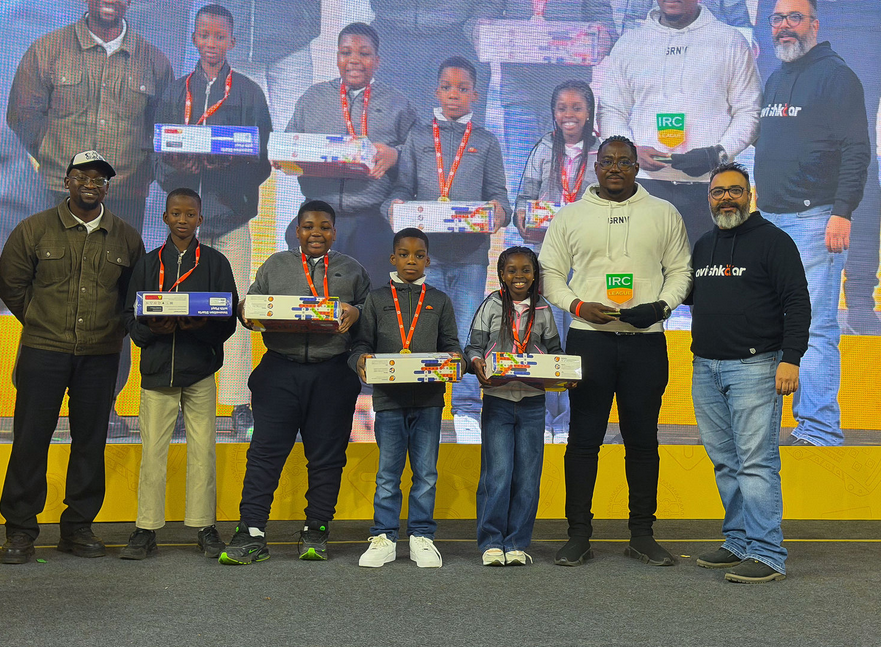
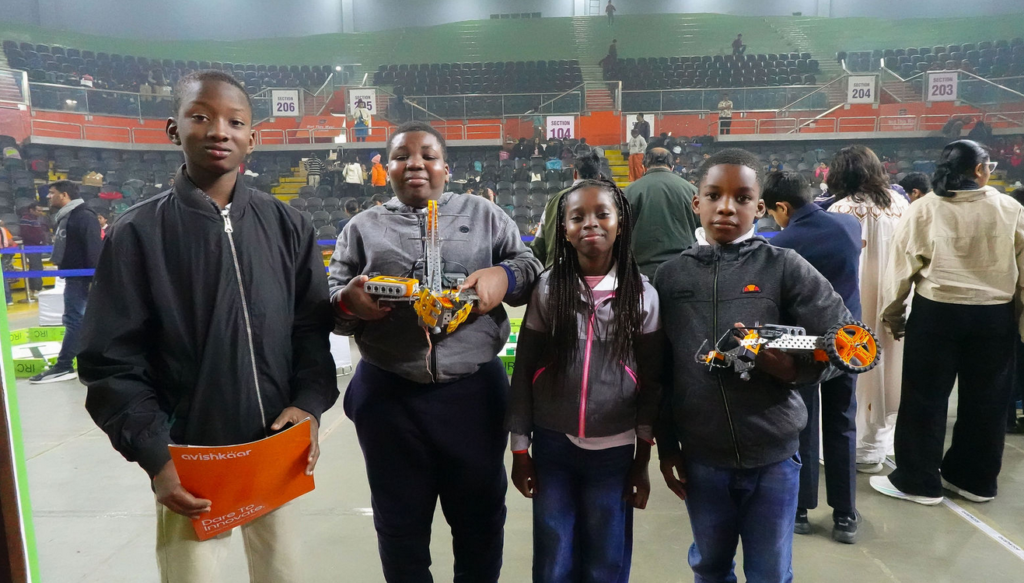
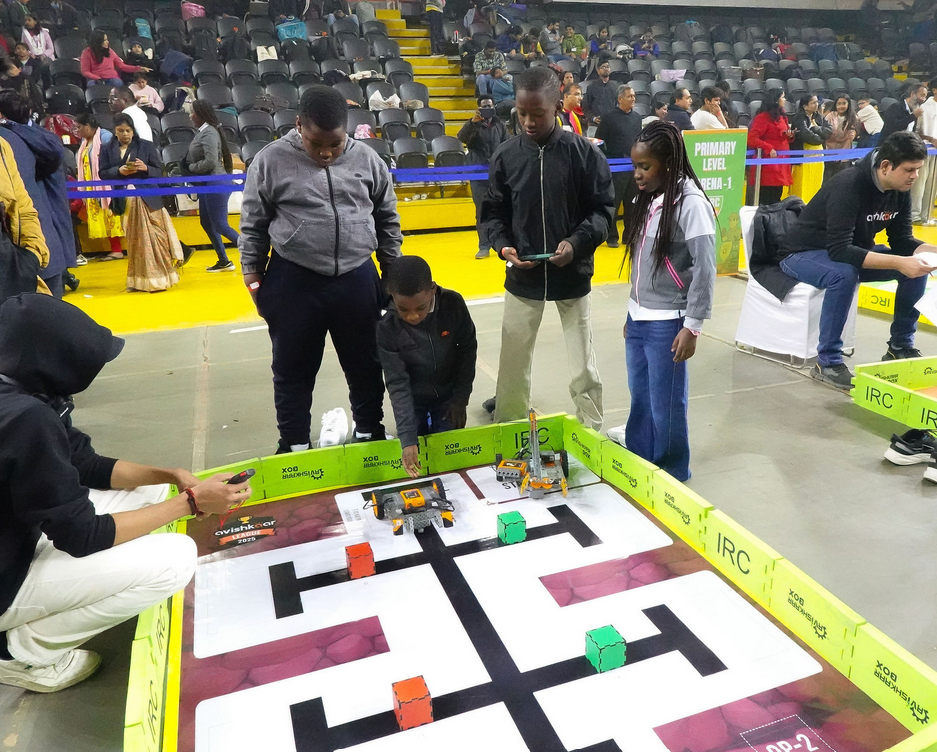
There is a scene that should be etched into the memory of every educator and policymaker in Africa. Four Ghanaian children, standing confidently on a podium in India, accepting international awards for robotic excellence.
For the second consecutive year, students from Unique Child International School (UCIS) have returned from the Avishkaar International Robotics Competition (IRC) League 2026 with the Best International School Performer trophy in their category and the prestigious Best International Stellar Award across all categories.
But if we interpret this merely as a nice news story about talented children, we will have missed the point entirely.
This achievement is a wake-up call, a loud and unambiguous signal that the way we educate African children must change, and change now.
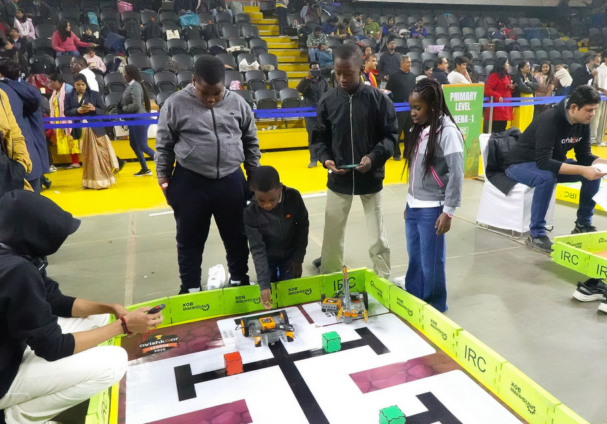
Let us understand the magnitude of what these students accomplished. Competing in the Intermediate Category, they were required to master two distinct challenges: operating a manual robot with precision and, more impressively, programming and controlling a fully automated machine.
This was not a test of memory or recitation. It was a test of systems thinking, algorithmic logic, split-second troubleshooting, and collaborative problem-solving. These are the exact competencies that will define the workforce of the Artificial Intelligence era.

Yet, for the vast majority of African children, such skills remain inaccessible. Robotics is still viewed by many schools as an extravagant extracurricular activity, a nice-to-have for the privileged few rather than a must-have for every child. This mindset, however understandable given resource constraints, is dangerously outdated. We are preparing children for a world that no longer exists.
The philosophy driving UCIS offers a powerful corrective. The school operates on the conviction that "true education extends beyond the classroom."
They understand that cognitive development is not just about absorbing facts, but about shaping foundational thinking, adaptability, and confidence.
When they say they are "intentional about preparing African children to lead, not follow in this technological era," they are articulating a vision of education that is proactive rather than reactive.
Crucially, this vision is being executed through a strategic partnership with Appipa Solutions, a Ghana-based robotics firm that deserves recognition as a national asset. Appipa is hosting workshops and providing structured, year-round programs, competition-specific training, and pathways to global exposure.
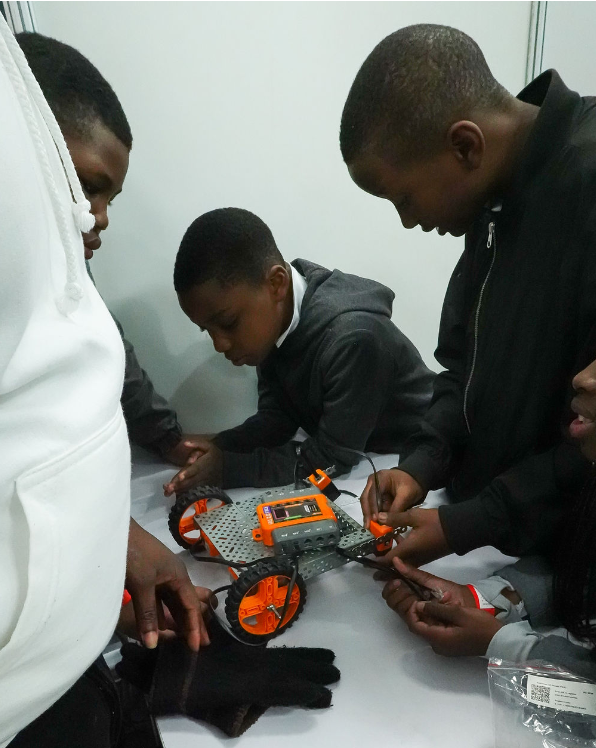
They are building an ecosystem where technical talent can be identified, nurtured, and launched onto the world stage. The success of the UCIS team is as much a testament to Appipa's methodology as it is to the students' innate ability.
The implications of this model extend far beyond the field of robotics. When students engage in this kind of deep learning, they develop resilience, the ability to fail, debug, and try again.
They gain cultural awareness by navigating unfamiliar international environments. They build independence and an unshakeable confidence that they can compete with anyone, anywhere.
These are the qualities that prepare young people not just for jobs, but for leadership. In an AI-driven future, where routine tasks are automated, these human capabilities such as creativity, critical thinking, and composure under pressure, will become the ultimate economic currency.
The argument for robotics in every African school is not about producing a generation of programmers. It is about producing a generation of problem-solvers.
It is about ensuring that African children are not passive consumers of technology designed elsewhere, but active contributors who shape the technological landscape.
The four students from UCIS have shown us what is possible. The question that now hangs over every ministry of education, every school principal, and every parent is simple. Will we create the conditions for more of these success stories, or will we allow this to remain a rare exception? The future of African innovation depends on the answer.
Latest Stories
-
Fire at GRIDCo’s Mallam Substation cuts power to parts of Accra
1 minute -
Stephen Amoah criticises 20% digital services tax as excessive
3 minutes -
Ghana secures $3.5bn investment commitments to revive oil and gas sector – Jinapor
8 minutes -
Court to hear Wontumi’s bail application today
8 minutes -
DPC flags six companies for data protection breaches
14 minutes -
Chief Justice appointment from outside Supreme Court possible but unlikely – Bentil
14 minutes -
NEDCo replaces faulty transformer at Saasigli
18 minutes -
Dr Seidu Jasaw urges climate financiers to align funding with farmers’ planting seasons
22 minutes -
Bank of Ghana urges public to uphold dignity of local currency
23 minutes -
Global Chairman of World Assemblies of God Fellowship lauds Mahama’s sterling leadership
28 minutes -
Global economy’s resilience nearing limits – IMF
34 minutes -
Trust-building is crucial for sustaining confidence with communities – Police Commander
40 minutes -
Government to redevelop Aboabo Market in Tamale – Mahama Ayariga
46 minutes -
We haven’t handed over our forex role to Goldbod – BoG Governor Asiama
49 minutes -
AG urges Legal Aid Commission to expand services to districts
51 minutes