

Audio By Carbonatix
Journalists and digital content creators have been challenged to scrutinise claims about emerging technologies and demand evidence before presenting them to the public.
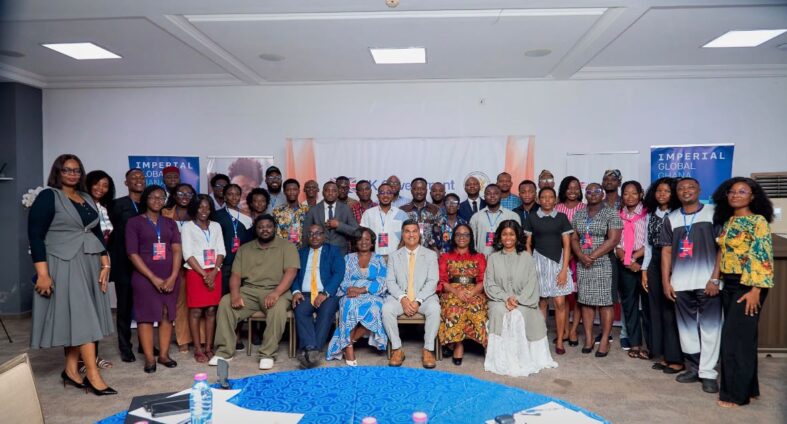
The call was made on Monday, October 12, during the opening of the UK Media Excellence for Emerging Technologies (UK MEET) Fellowship in Accra.
The five-day programme brings together selected media professionals to strengthen their capacity to report on science, technology and innovation, with a focus on distinguishing evidence-based findings from exaggerated claims.
As artificial intelligence and other emerging technologies become increasingly prominent in healthcare, education and other sectors, the programme seeks to equip journalists with the skills to examine what these innovations can deliver, their limitations and their potential impact on society.
Welcoming participants on behalf of the British High Commission, Ryan Davies highlighted the need for stronger and more sustainable connections between researchers and media practitioners.
He stressed that as technological developments advance rapidly, trusted journalism is essential to helping the public navigate misinformation and understand the implications of scientific discoveries.
Separating scientific evidence from marketing claims
The opening day featured a fireside conversation on artificial intelligence in healthcare, with Darlington Akogo, founder of Mino Health AI Labs examining the difference between real-world clinical applications and marketing hype.
The discussion placed the spotlight on the questions journalists should ask when reporting on technological innovations, including what evidence supports developers’ claims, how a tool performs in practice and whether its benefits can be independently verified.
The issue is particularly important as AI systems are increasingly promoted for applications that could affect people’s health, education and access to essential services.
For journalists, reporting on such developments requires more than explaining how a technology works. It also involves examining its reliability, limitations and consequences for the people expected to depend on it.
Connecting research to public understanding
The fellowship also highlighted the importance of making scientific knowledge accessible beyond academic and research institutions.
Delivering the opening keynote, Director of the Ghana National Research Fund, Professor Abigail Opoku-Mensah, called for increased domestic investment in research and innovation, alongside closer collaboration between journalists and researchers.
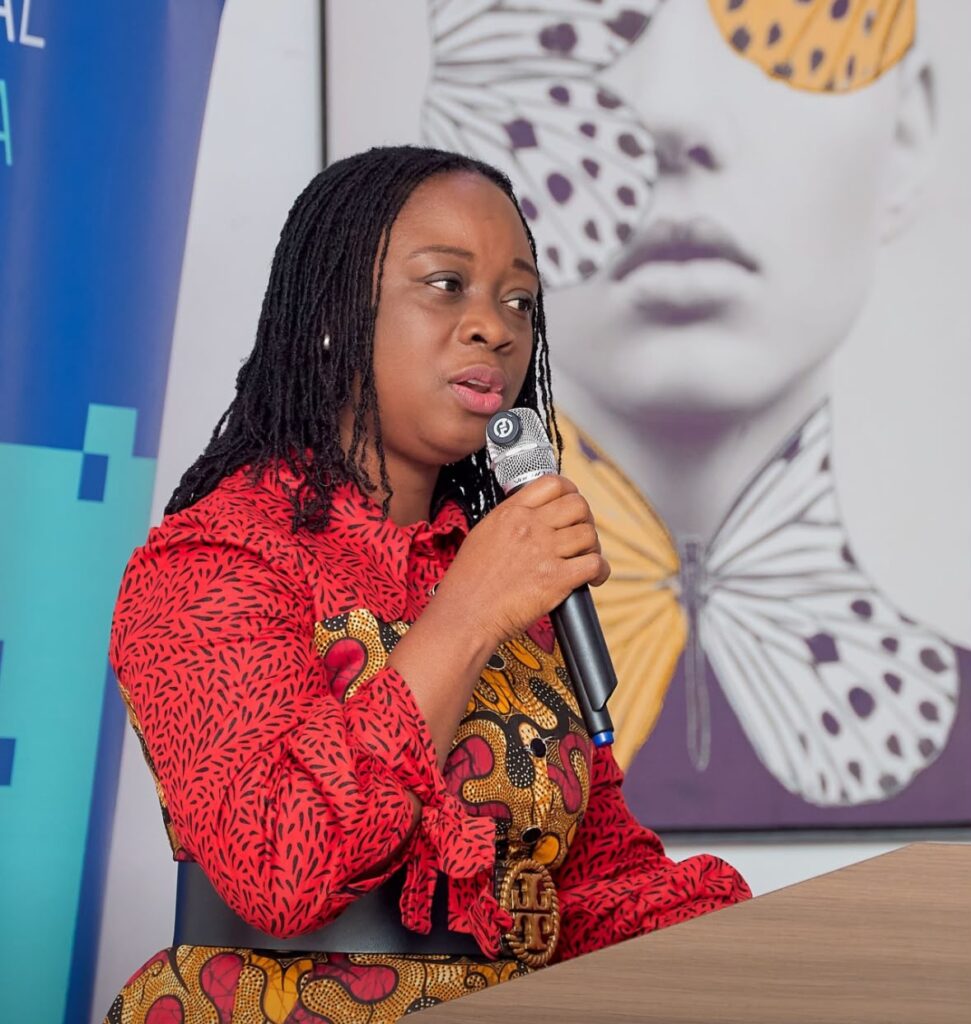
She said stronger local financing would help Ghana build a sustainable research ecosystem and reduce long-term dependence on external support.
Established under Act 1056 and officially launched in June 2025, the Fund is mandated to support research and innovation in priority areas, including health, food systems, climate sustainability, digital and industrial technologies, and governance.
Prof. Opoku-Mensah urged journalists to help translate scientific developments into information citizens can understand and use, stressing that public communication is essential to turning research investments into meaningful outcomes.
From training to investigative storytelling
The UK MEET Fellowship is delivered by Imperial College London through Imperial Global Ghana, with support from the British High Commission. It seeks to strengthen science, technology and innovation reporting among journalists and digital content creators in Ghana and Nigeria.
Participants will engage with researchers, policymakers and technology experts while developing original story pitches on emerging technologies.

Ten participants with the strongest pitches will be selected for an educational visit to Imperial College London.
The programme covers areas including artificial intelligence, climate and environmental risks, biomedical innovation and the circular economy.
Its broader ambition is to strengthen evidence-based journalism and ensure that public conversations about technological progress are informed by credible information rather than unverified promises.
Latest Stories
-
USTED dean warns GAUA strike could disrupt Ghana’s restored academic calendar
8 minutes -
Bechem meat processing factory 50% complete, set for March 2027 completion – Kwakye Ofosu
21 minutes -
Titus Glover criticises Mahama’s appointment of Afi Agbenyo as EC Deputy Chairperson
27 minutes -
GoldBod initiative has created over 1,300 public and private sector jobs – Sammy Gyamfi
30 minutes -
Financial wellness key to retaining Ghana’s skilled workforce – Merban Capital CEO, Benjamin Ackah-Nyamike
32 minutes -
Sidney Nii Oko Bampoe & Isaac Akuetteh Addo
39 minutes -
Haruna Iddrisu calls for ‘Big Push’ investment in health, education, sports and agriculture
40 minutes -
Ghanaian youngster Prince Amoako Jnr reaches new milestone with FC Nordsjælland
42 minutes -
Ho Teaching Hospital to get cardiology centre under Ghana Medical Trust Fund
45 minutes -
PAC pushes for effective use of GH¢25m by Tree Crops Development Authority
46 minutes -
UK MEET Fellowship challenges journalists to look beyond AI hype
49 minutes -
Kurt Okraku’s regime has ‘failed to perform’ – Kudjoe Fianoo demands resignation of GFA Executive Council
49 minutes -
Afenyo-Markin’s influence is limited by minority numbers in Parliament – Haruna Iddrisu
52 minutes -
Police administration is doing a yeoman’s job – President Mahama
55 minutes -
GoldBod tells PAC Bank of Ghana authorised its foreign exchange transactions
55 minutes