


Audio By Carbonatix
How do women get men who are standing in the way of gender equality to listen to them? Grab them by their genitalia.
That's the radical suggestion offered by jailed Ugandan feminist Stella Nyanzi.
"Unless you grab and squeeze hard, they're not listening," she said, wearing traditional African kitenge, red lipstick and a wry smile before a recent court hearing.
The academic, who has been in Luzira Women's Prison for eight months, is on trial after the government accused her of "cyber harassment and offensive communication" for penning and posting a poem on Facebook.
The poem, published last September, uses a graphic description of the birth of the Ugandan President and his mother's vagina to criticize his "oppression, suppression and repression" of the country, which he has ruled for over 30 years.
In early June, Nyanzi's legal team put it to Buganda Road Chief Magistrate Court that she had no case to answer and pushed for her immediate release. But the judgment went against her. She remains in jail and will start presenting her defence this week. Nyanzi has asked the court to summon 20 defence witnesses, including President Yoweri Museveni himself.
Nyanzi has been known in African academic and feminist circles for decades, but it's her provocative poetry about the 74-year-old President that has made her a household name in Uganda in recent years.
"Yoweri, they say it was your birthday yesterday. How horrifically cancerous a day!" reads part of the now infamous vagina poem.
"I wish the infectious dirty-brown discharge flooding Esiteri's [Museveni's mother's] loose pussy had drowned you to death / Drowned you as vilely as you have sank and murdered the dreams and aspirations of millions of youths who languish in the deep sea of massive unemployment, and under-emplyment (sic) in Uganda."
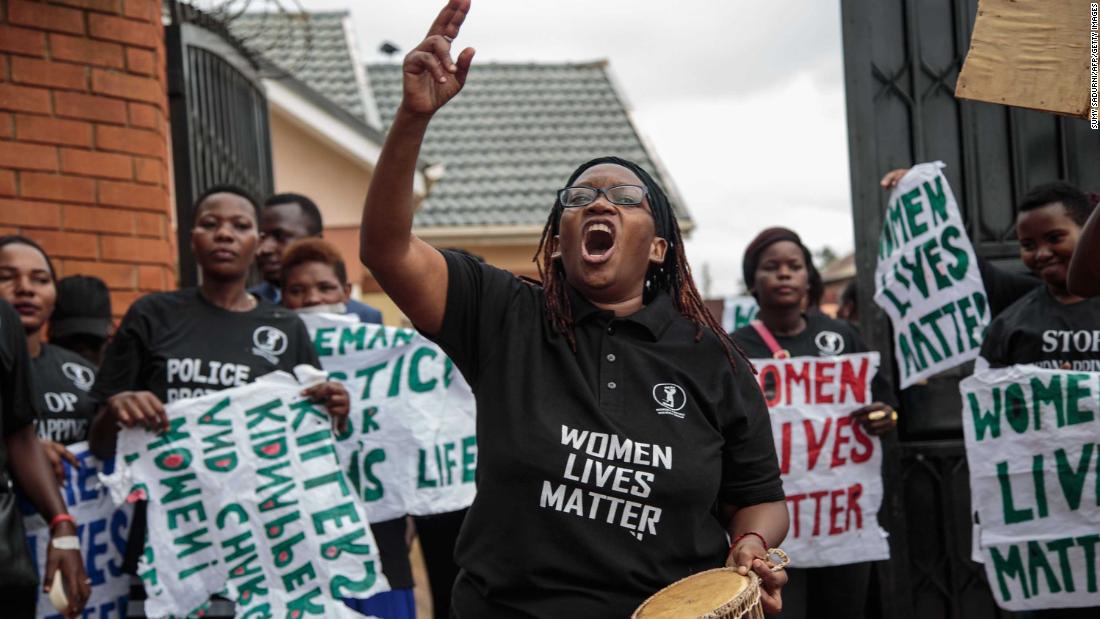 Stella Nyanzi, center, leads a protest over the handling of police investigations into murders and kidnappings of women in Kampala in June 2018.
While the language and imagery in Nyanzi's poetry may seem shocking, she said this "rudeness" is "the only option."
"Politeness has been taken, it's been held captive, and they don't listen any more. So sometimes all you have to say is 'f*** it!'" Nyanzi said about the Ugandan government, slamming down her fist. "And then people will hear and take you seriously."
"Radical rudeness," which began as a form of anti-colonial dissent in Uganda, calls the powerful in society to account through public insult. Over the past year, two other women have been arrestedfor using similarly rude rhetoric to criticize the government -- one for allegedly threatening to hit the President with her genitals. The women, who were protesting the arrest of the musician-turned-politician who goes by his stage name of Bobi Wine, both retracted their comments. Ugandan women have also used nudity as a form of protest in recent years.
In 2015, a group of older women in rural northern Uganda stripped in front of police and government representatives to demonstrate against attempts to remove them from their ancestral land.
"Older women are no longer in need of the acceptance of society, so they will swear and walk away, and men will listen," Nyanzi told CNN. "I don't get inspired by high and mighty women, it's everyday women. It's grandmothers, stepmothers, second wives, all swearing at their men".
Stella Nyanzi, center, leads a protest over the handling of police investigations into murders and kidnappings of women in Kampala in June 2018.
While the language and imagery in Nyanzi's poetry may seem shocking, she said this "rudeness" is "the only option."
"Politeness has been taken, it's been held captive, and they don't listen any more. So sometimes all you have to say is 'f*** it!'" Nyanzi said about the Ugandan government, slamming down her fist. "And then people will hear and take you seriously."
"Radical rudeness," which began as a form of anti-colonial dissent in Uganda, calls the powerful in society to account through public insult. Over the past year, two other women have been arrestedfor using similarly rude rhetoric to criticize the government -- one for allegedly threatening to hit the President with her genitals. The women, who were protesting the arrest of the musician-turned-politician who goes by his stage name of Bobi Wine, both retracted their comments. Ugandan women have also used nudity as a form of protest in recent years.
In 2015, a group of older women in rural northern Uganda stripped in front of police and government representatives to demonstrate against attempts to remove them from their ancestral land.
"Older women are no longer in need of the acceptance of society, so they will swear and walk away, and men will listen," Nyanzi told CNN. "I don't get inspired by high and mighty women, it's everyday women. It's grandmothers, stepmothers, second wives, all swearing at their men".
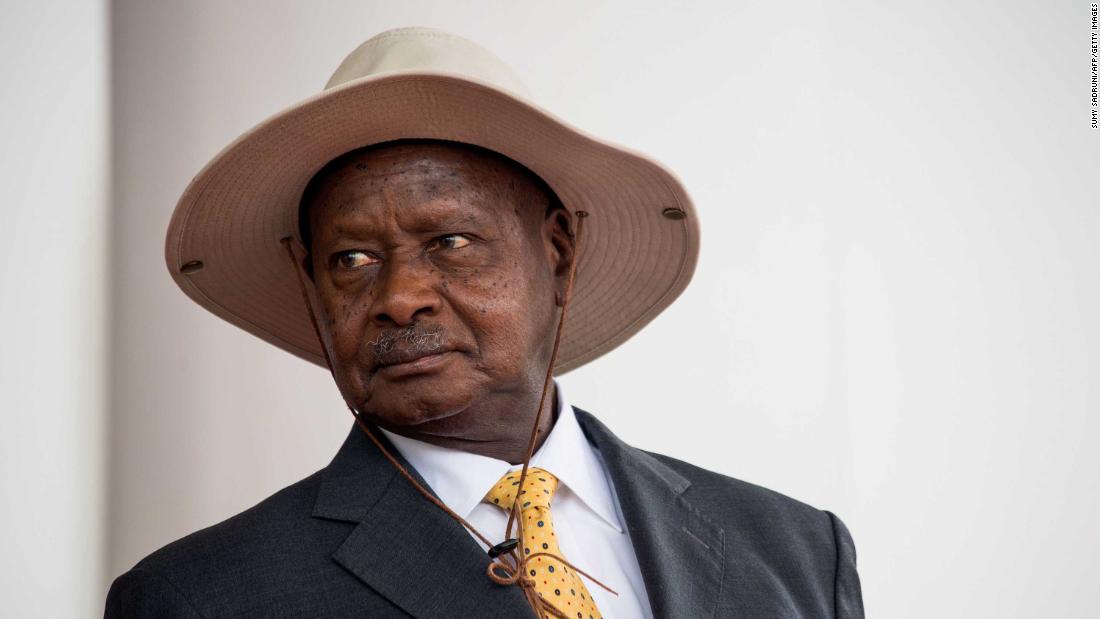 Ugandan President Yoweri Museveni.
But "radical rudeness" can be dangerous in an environment where civil liberties are increasingly being called into question. As well as Nyanzi's arrest in November 2018, last year the Ugandan government amended the constitution to remove the presidential age limit, imposed a "social media tax" that critics say is an attempt to hinder freedom of speech online, and was implicated in the alleged torture of Bobi Wine.
Ugandan President Yoweri Museveni.
But "radical rudeness" can be dangerous in an environment where civil liberties are increasingly being called into question. As well as Nyanzi's arrest in November 2018, last year the Ugandan government amended the constitution to remove the presidential age limit, imposed a "social media tax" that critics say is an attempt to hinder freedom of speech online, and was implicated in the alleged torture of Bobi Wine.
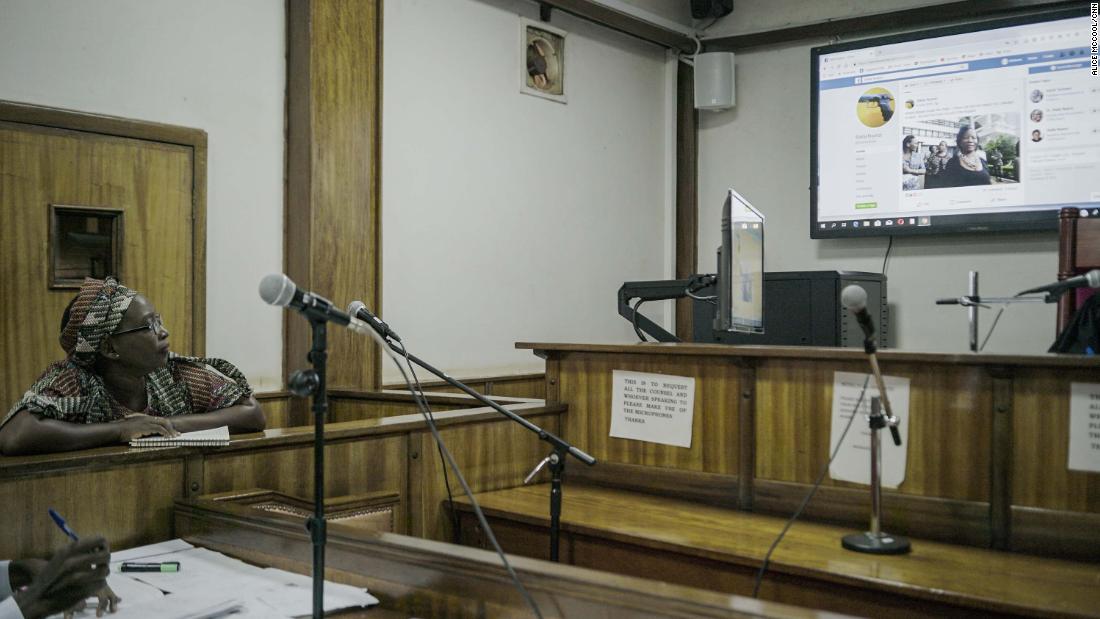 Nyanzi in court in June.
When detective Bill Dickson Ndyamuhaki -- a witness for the government -- came to give evidence about her vagina poem in court, people in the courtroom could not contain giggles as he was asked by the judge to read out Nyanzi's explicit work in full.
Nyanzi in court in June.
When detective Bill Dickson Ndyamuhaki -- a witness for the government -- came to give evidence about her vagina poem in court, people in the courtroom could not contain giggles as he was asked by the judge to read out Nyanzi's explicit work in full.
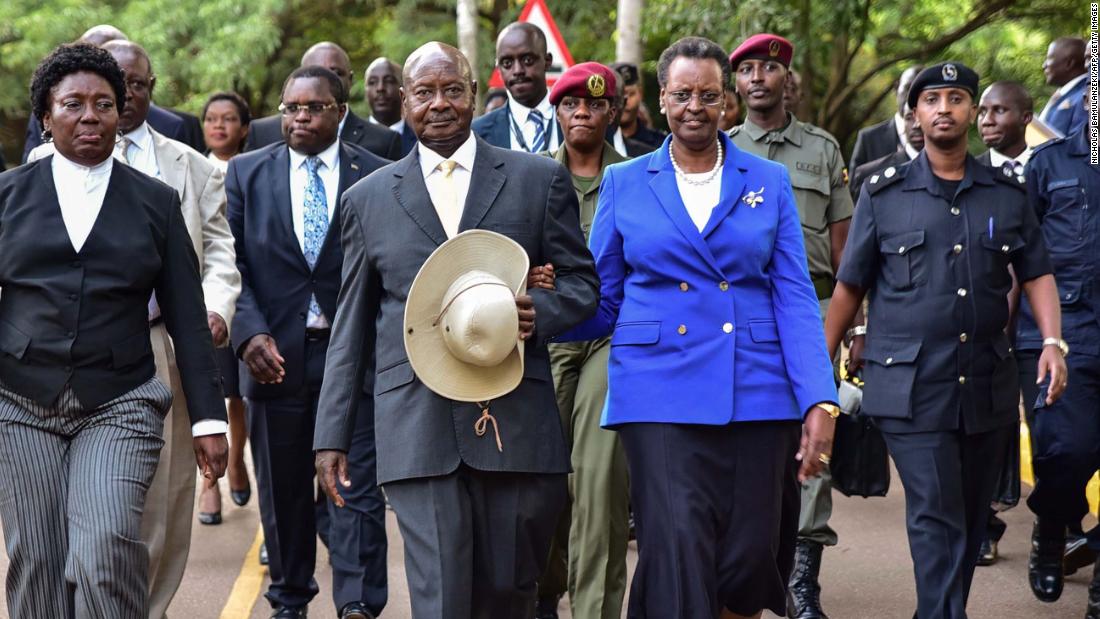 Ugandan President Yoweri Museveni alongside first lady Janet Museveni in June 2018.
But Nyanzi was released on bail, and went on to successfully crowdfund for the distribution of sanitary products through the Pads4girlsUg Project.
"I got involved [in activism] because it was part of what I was studying anyway," said Nyanzi, an anthropologist who has studied a wide range of marginalized communities in Uganda and other African countries, including sex workers, women with HIV, and LGBTQ people.
"Suddenly those I was studying, writing about, recording, could die" she said, referring to a law passed in 2014 which mandated life in prison for some homosexual acts. A previous version of the bill initially included the death penalty. The law faced strong resistance from local activists and members of the international community, and it was eventually annulled by Uganda's constitutional court later the same year.
Ugandan President Yoweri Museveni alongside first lady Janet Museveni in June 2018.
But Nyanzi was released on bail, and went on to successfully crowdfund for the distribution of sanitary products through the Pads4girlsUg Project.
"I got involved [in activism] because it was part of what I was studying anyway," said Nyanzi, an anthropologist who has studied a wide range of marginalized communities in Uganda and other African countries, including sex workers, women with HIV, and LGBTQ people.
"Suddenly those I was studying, writing about, recording, could die" she said, referring to a law passed in 2014 which mandated life in prison for some homosexual acts. A previous version of the bill initially included the death penalty. The law faced strong resistance from local activists and members of the international community, and it was eventually annulled by Uganda's constitutional court later the same year.
 Keem Love Black
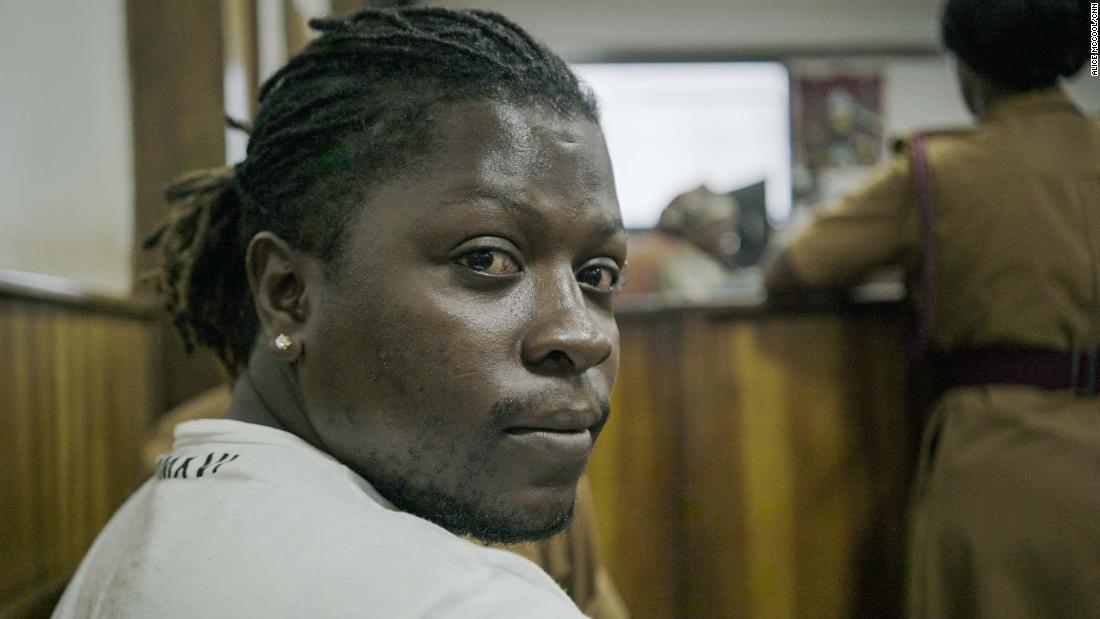
"Stella has a strong heart, and whatever she says, whatever she writes, whatever she fights for, it's not about her -- it's about the country and people she loves and supports."
Nyanzi says it's people like Black who give her hope for Uganda's future.
"Sex workers are very good at alternative modes of organizing and mobilizing," Nyanzi said, but many feminists, "think we are better than them and exclude them.''
While divisions remain, Nyanzi says she believes different struggles in Uganda are slowly starting to come together. The academic wants to see everyone uniting against the government, from Pentecostal Christians to sex workers, Bobi Wine supporters to the LGBTQ community.
"It's those sort of mergers we need, where it will not matter what one wears, it will not matter if Keem is wearing a skirt," Nyanzi said with a smile.
"You know when a match is refusing to light?" she said, acting out a striking motion with her hands. "I think it's just one more strike of the matchbox. We're getting there. I don't know what it will take, but we just have to keep striking."
Keem Love Black
"Stella has a strong heart, and whatever she says, whatever she writes, whatever she fights for, it's not about her -- it's about the country and people she loves and supports."
Nyanzi says it's people like Black who give her hope for Uganda's future.
"Sex workers are very good at alternative modes of organizing and mobilizing," Nyanzi said, but many feminists, "think we are better than them and exclude them.''
While divisions remain, Nyanzi says she believes different struggles in Uganda are slowly starting to come together. The academic wants to see everyone uniting against the government, from Pentecostal Christians to sex workers, Bobi Wine supporters to the LGBTQ community.
"It's those sort of mergers we need, where it will not matter what one wears, it will not matter if Keem is wearing a skirt," Nyanzi said with a smile.
"You know when a match is refusing to light?" she said, acting out a striking motion with her hands. "I think it's just one more strike of the matchbox. We're getting there. I don't know what it will take, but we just have to keep striking."
Stella Nyanzi, center, leads a protest over the handling of police investigations into murders and kidnappings of women in Kampala in June 2018.
While the language and imagery in Nyanzi's poetry may seem shocking, she said this "rudeness" is "the only option."
"Politeness has been taken, it's been held captive, and they don't listen any more. So sometimes all you have to say is 'f*** it!'" Nyanzi said about the Ugandan government, slamming down her fist. "And then people will hear and take you seriously."
"Radical rudeness," which began as a form of anti-colonial dissent in Uganda, calls the powerful in society to account through public insult. Over the past year, two other women have been arrestedfor using similarly rude rhetoric to criticize the government -- one for allegedly threatening to hit the President with her genitals. The women, who were protesting the arrest of the musician-turned-politician who goes by his stage name of Bobi Wine, both retracted their comments. Ugandan women have also used nudity as a form of protest in recent years.
In 2015, a group of older women in rural northern Uganda stripped in front of police and government representatives to demonstrate against attempts to remove them from their ancestral land.
"Older women are no longer in need of the acceptance of society, so they will swear and walk away, and men will listen," Nyanzi told CNN. "I don't get inspired by high and mighty women, it's everyday women. It's grandmothers, stepmothers, second wives, all swearing at their men".
Ugandan President Yoweri Museveni.
But "radical rudeness" can be dangerous in an environment where civil liberties are increasingly being called into question. As well as Nyanzi's arrest in November 2018, last year the Ugandan government amended the constitution to remove the presidential age limit, imposed a "social media tax" that critics say is an attempt to hinder freedom of speech online, and was implicated in the alleged torture of Bobi Wine.
Nyanzi in court in June.
When detective Bill Dickson Ndyamuhaki -- a witness for the government -- came to give evidence about her vagina poem in court, people in the courtroom could not contain giggles as he was asked by the judge to read out Nyanzi's explicit work in full.
Ugandan President Yoweri Museveni alongside first lady Janet Museveni in June 2018.
But Nyanzi was released on bail, and went on to successfully crowdfund for the distribution of sanitary products through the Pads4girlsUg Project.
"I got involved [in activism] because it was part of what I was studying anyway," said Nyanzi, an anthropologist who has studied a wide range of marginalized communities in Uganda and other African countries, including sex workers, women with HIV, and LGBTQ people.
"Suddenly those I was studying, writing about, recording, could die" she said, referring to a law passed in 2014 which mandated life in prison for some homosexual acts. A previous version of the bill initially included the death penalty. The law faced strong resistance from local activists and members of the international community, and it was eventually annulled by Uganda's constitutional court later the same year.
Keem Love Black
"Stella has a strong heart, and whatever she says, whatever she writes, whatever she fights for, it's not about her -- it's about the country and people she loves and supports."
Nyanzi says it's people like Black who give her hope for Uganda's future.
"Sex workers are very good at alternative modes of organizing and mobilizing," Nyanzi said, but many feminists, "think we are better than them and exclude them.''
While divisions remain, Nyanzi says she believes different struggles in Uganda are slowly starting to come together. The academic wants to see everyone uniting against the government, from Pentecostal Christians to sex workers, Bobi Wine supporters to the LGBTQ community.
"It's those sort of mergers we need, where it will not matter what one wears, it will not matter if Keem is wearing a skirt," Nyanzi said with a smile.
"You know when a match is refusing to light?" she said, acting out a striking motion with her hands. "I think it's just one more strike of the matchbox. We're getting there. I don't know what it will take, but we just have to keep striking."DISCLAIMER: The Views, Comments, Opinions, Contributions and Statements made by Readers and Contributors on this platform do not necessarily represent the views or policy of Multimedia Group Limited.
Tags:
DISCLAIMER: The Views, Comments, Opinions, Contributions and Statements made by Readers and Contributors on this platform do not necessarily represent the views or policy of Multimedia Group Limited.
Latest Stories
-
Repeated cocaine seizures could hurt Ghana’s trade reputation – CDM
2 minutes -
Baffour Awuah’s failed arrest, parliamentary immunity & PDS bail conditions
9 minutes -
Stop producing research that ends up on shelves – Prof Dittoh challenges Ghanaian academics
10 minutes -
Ghana’s growing youth population could become unemployment time bomb — Alan Kyerematen warns
16 minutes -
Ghana signs agreement with Intel to expand AI for Youth programme
17 minutes -
AFCON 2027Q: ‘Our goals are clear’ – Carlos Queiroz on qualification
17 minutes -
Use legal means to achieve legal ends – Kyei-Mensah-Bonsu on MP’s attempted arrest
19 minutes -
Government pledges support for fashion industry through skills, technology and market access
26 minutes -
Gender Minister joins First Lady at OAFLAD summit as Ghana pushes stronger support for women, children
27 minutes -
Black Queens defender Susan Ama Duah signs for Mexican side Tigres
28 minutes -
Carlos Queiroz’s real test begins as Ghana face Côte d’Ivoire in Bouaké
28 minutes -
Social Audit Committee monitoring helping improve development projects in Tano North – Mehoso CEO
31 minutes -
IFC, LMI Holdings expand partnership to power Ghana’s industrial growth
42 minutes -
Ashanti Regional Police arrest two foreign nationals over alleged kidnapping and murder of Senegalese goalkeeper Cheikh Toure
43 minutes -
Rein in NIB over attempted arrest of Baffour Awuah – Kyei-Mensah-Bonsu
45 minutes