

Audio By Carbonatix
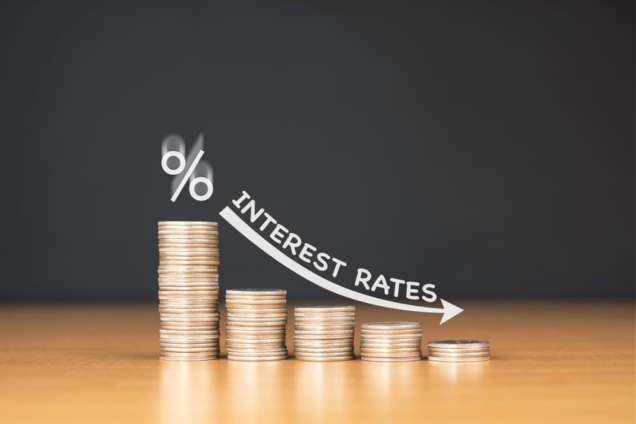
The policy rate of the Bank Ghana will go down by at least 1.0% to 13.50 percent at the end of the first half of this year, according to forecast by Fitch Solutions, research arm of ratings agency, Fitch.
The international research organization said the reduction in the Bank of Ghana’s base lending rate is expected to transpire in the Central Bank’s next meeting in March 2020 or possibly May 2020.
This is expected to be triggered by further lower inflation and improve growth rate in the first quarter of this year.
Furthermore, it said policy continuity by the government will result in a steady recovery in international and domestic investor sentiment, compelling the Bank of Ghana to trim its benchmark rate by a further 1.0% to 13.50%.
“Policy continuity following the likely return of the largely business-friendly New Patriotic Party government will result in a steady recovery in international and domestic investor sentiment, with the latter assisted by the BoG trimming its benchmark rate by a further 100bps to 13.50%, lowering borrowing costs for firms”.
This will further lower borrowing costs for firms and households.
Some analysts have also projected that the higher-than-expected deceleration in inflation to within the Central Bank’s target range is likely to provide strong support for a policy rate cut in the next Monetary Policy Committee meeting, subject to the outcome of February inflation, which faces immediate risks from higher crude oil prices.
However, the policy rate cut is necessary to energise economic activity in the midst of the second wave of covid-19 infections in the country.
Additionally, the authorities are keen to reduce government’s cost of borrowing in the midst of rising public debts. Already, we have seen some reduction in the cost of yield on Treasury bills.
Policy rate maintained at 14.5%
The Bank of Ghana kept it policy rate-the rate at which it lends to commercial banks at 14.5%.
It cited the balance of risks to inflation and growth as the rationale behind the unchanged policy rate.
“Risks to inflation in the near-term are broadly contained, but short to medium-term risks emanating from the fiscal expansion and rising crude oil prices are emerging.”
The unchanged policy rate meant cost of loans will remain same at least for the next two and half months, unless some factors ease it slightly.
Latest Stories
-
Scrap 15% priority placement quota for SHS admissions – GNAPS
21 minutes -
IFC Managing Director Makhtar Diop to visit Ghana for investment talks
28 minutes -
GPRTU opposes auctioning broken-down vehicles after 21 days
55 minutes -
Nigerian Goodnews Aina crowned J30 Accra champion as Ghana’s Gwendolyn Duvor Klu retires in final
3 hours -
WACCE urges gov’t to declare state of emergency in galamsey-prone areas
3 hours -
NACOC boss calls for practical cross-border action against drug trafficking
4 hours -
Ghana calls for stronger regional cooperation to combat drug trafficking
4 hours -
Ablakwa presents bicycles to 100 North Tongu day students
4 hours -
Ablakwa supports 2,269 North Tongu SHS students with essential items
4 hours -
Dr Bawumia expresses sympathy with farmers over their inability to sell their produce even at reduced prices
4 hours -
Constitutional review: Govt must keep discussions open – Dr Tandoh
4 hours -
GPL 2026/27: David Gyamfi hat-trick fires Ashantigold to historic first victory
4 hours -
Ericsson celebrates 150 years of global innovation, 30 years of partnership and digital transformation in Ghana
5 hours -
Ghana’s Ambassador to Serbia hosts African ambassadors’ September meeting in Belgrade
5 hours -
Ghana closer to terrorism threat than ever before – WACCE
5 hours