

Audio By Carbonatix
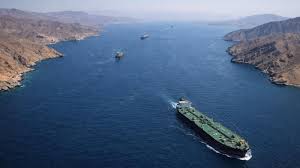
Fitch Solutions expects shipping disruptions to the Strait of Hormuz to reverberate through global supply chains in the coming weeks.
According to the UK-based firm, transit through the Strait of Hormuz, which usually tops 100 ships per day, had already dropped in recent weeks due to seasonal shipping factors, though the drop was exacerbated by escalating US-Iran tensions and heightened security concerns.
The Strait represents a no-alternative maritime chokepoint, fundamentally differentiating it from other strategic passages. Unlike disruptions to the Suez Canal or Bab el-Mandeb where maritime detours remain feasible, the Strait of Hormuz offers no economically viable bypass for most shipments.
For energy flows (25% of maritime oil trade, 20% of global LNG trade), the Strait represents a genuine single point of failure. For containers (3-4% of global volumes), it is systemically critical for Gulf Cooperation Council (GCC) economies.
“While limited pipeline alternatives exist, these lack the throughput capacity to absorb the Strait's energy flows. The overall effect has been an abrupt operational withdrawal from one of the world’s most strategically sensitive waterways, which will force Gulf‑bound cargo to be discharged at safer regional hubs and create increasing dependence on smaller feeder vessels”, Fitch Solutions mentioned.
“Even this scenario is not flawless as ships near the Omani coast have been reported to have been hit by projectiles. This will also drive congestion at transhipment ports, elevate spot freight rates, and propagate delays across wider global supply chain networks. In January 2026, global container schedule reliability reached its highest post-pandemic monthly figure according to Sea-Intelligence and will certainly be eroded”, it added.
Historical precedent suggests resilience - no event in modern history has fully closed the Strait of Hormuz. During the 1980s Tanker War, when Iran and Iraq attacked oil tankers, laid mines and drew in US naval escorts, the Strait remained open to transit. Periodic vessel seizures in recent decades have also not materially disrupted overall traffic given its importance.
Fitch Solutions said nonetheless, the lack of a full closure reflects commercial desperation rather than operational viability. “Ultimately, the Strait of Hormuz remains too strategically significant for regional or global actors to allow a prolonged closure”.
It stressed that its economic indispensability creates powerful commercial and geopolitical incentives to keep it functioning, making unlikely to be closed for a prolonged period.
Latest Stories
-
Chief Justice urges employers to tackle mental health stigma in workplaces
19 minutes -
Analysis: Ghana’s yellow fever numbers reveal a gap between vaccination and protection
50 minutes -
Education Ministry welcomes suspension of teachers’ strike
1 hour -
Vice Chancellors Ghana appeal to striking university administrators to resume work
1 hour -
KNUST postpones 2026/2027 academic year reopening indefinitely amid GAUA strike
1 hour -
Fire destroys mattress factory at Sokoban in Kumasi
2 hours -
ECOM-SMS Ghana launches ‘Agriculture Our Future Clubs’ to address threat of ageing farmer population
2 hours -
Nicholas Atsu Kumi
2 hours -
Cherif Sarr: Economic participation needs more pathways, not one prescribed route
2 hours -
Cyber Security Authority: Ghana led Operation Blackout, not FBI
2 hours -
GH¢800,000 goods destroyed as fire engulfs Kia Rhino truck on Apedwa-Kibi Road
2 hours -
Chief Justice calls for supportive workplaces to address mental health stigma
2 hours -
NVI CEO defends GH¢13m spending on training, workshops and conferences
2 hours -
Ghana targets first locally manufactured vaccine by 2027
2 hours -
Teachers suspend strike after reaching agreement with government
3 hours