

Audio By Carbonatix
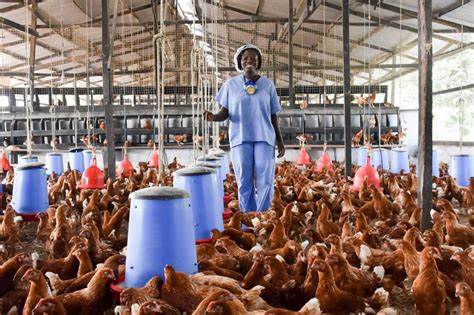
The Food and Agricultural Organisation (FAO) is advising farmers to desist from using antibiotics to boost egg production.
The National Project Coordinator for Antimicrobial Resistance at FAO, Kofi Afakye, says the practice causes what is known as antimicrobial resistance (AMR), where germs become resistant to antibiotics.
He says this makes treatment of diseases difficult and costly.
“More farmers use antibiotics as prophylaxis for egg boosting and for growth promotion, which shouldn’t be the case. When they don’t make the appropriate use of these antimicrobials, there’s development of antimicrobial resistance,” he said. “When we get sick then our sickness becomes very difficult to treat”.
Antimicrobial resistance occurs when bacteria, fungi, viruses, and parasites change and become resistant to antimicrobial drugs like antibiotics to which they were originally susceptible.
Factors such as the misuse or overuse of antimicrobials in animals and humans and exposure to falsified drugs all contribute to AMR.
Withdrawal period
This is the time allowed for remnants of the antibiotics to drain out of the animal before it is consumed.
Depending on the particular antibiotics, farmers have been advised to wait for the antibiotics to drain out before selling their animals.
However, studies suggest 98 percent of farmers in Ghana are not observing the withdrawal period.
“When we give these antibiotics to these animals, we should wait for this period to elapse before we slaughter the animals for food or use the products from the animals as food,” Dr. Afakye advises.
In the situation where farmers defy this practice, there are likely traces of these antimicrobials within the animal’s system or the products.
This means that humans who consume these foods are indirectly consuming these antibiotics which can result in Antimicrobial Resistance.
Dr Afakye was speaking at a training of media practitioners on Antimicrobial resistance in Kumasi.
The workshop is part of the implementation of the National Action Plan on Antimicrobial Resistance Policy.
The FAO is collaborating with its one-health partners, to implement the National AMR Action Plan (NAP) which was launched in 2018 to fight AMR using a multi-sectoral approach.
The Ghana National Action Plan (NAP) was developed based on the model recommended in the Global Action Plan.
Collaborators have been collecting local data on on-going interventions.
The AMR policy document has been used to analyse the data.
Latest Stories
-
US seeks changes to rejected $109m health compact with Ghana – Mahama
26 minutes -
Nine dead in mass shooting at Pennsylvania home
43 minutes -
‘Time for Ukraine to get new president,’ says Trump after Zelensky condemns diesel deal
46 minutes -
Hincapie injury adds to Arsenal issues after Guimaraes rescue act
55 minutes -
Henderson scores twice as Chelsea thumb Bournemouth
1 hour -
Photos: Mentapulse Africa convenes health and labour summit to address talent retention
1 hour -
Mahama inspects Nkokɔ Nketenkete plant, eyes Bechem as chicken capital
1 hour -
Ghana not seeking full BRICS membership, applying as Partner Country – Ablakwa
1 hour -
Woman injures three people in third Poland school knife attack in a week
1 hour -
Ghana should join BRICS as partner, not member – NPP Bono East Regional Secretary
1 hour -
Ghana High Commission warns nationals in South Africa over protests in Johannesburg, Durban
1 hour -
Mahama praises Roads Minister for keeping Big Push contractors on their toes
2 hours -
World Cup Visa Scandal: ‘My client has not collected money for visas’ – Ampofo Ankrah’s lawyer
2 hours -
US immigration officials defend ICE agents who shot man in same car as child
2 hours -
Commentator Katie Zacharia picked as new White House press secretary
2 hours