


Audio By Carbonatix
A study carried out by Researchers from the Department of Theoretical and Applied Biology at the Kwame Nkrumah University of Science and Technology (KNUST) has shown that a group of bacteria responsible for diseases ranging from boils to pneumonia, can be contracted through currency notes.
Due to this finding, members of the general public have been entreated to desist from counting the cedi notes with saliva.

“Microorganisms generally love moisture, thus, counting money with saliva is not a good practice’’ Lead Researcher, Dr. Linda Aurelia Ofori said.
She disclosed that members of the team were surprised to find out how quickly currency notes got dirty after being released into circulation. The study was therefore undertaken to ascertain the frequency of Methicillin-Resistant Staphylococcus Aureus (MRSA- an infection caused by bacteria that has become resistant to many antibiotics) on currency notes circulating in the Kumasi metropolis.
She revealed that 120 banknotes from 10 units were obtained, put in clusters and analysed at the laboratory.
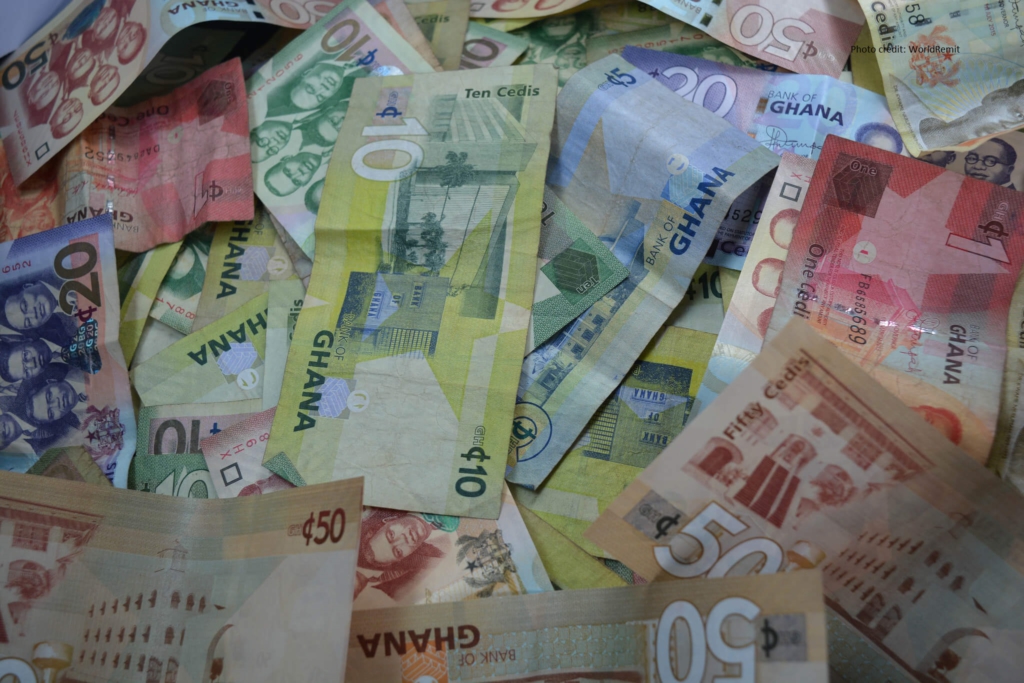
“We tried putting the money in clusters. All monies from commercial drivers in one group, those serving raw meat and fish in one cluster, public toilets, etc. Each note in each cluster was treated as a unit, so that we don’t influence the type and number of bacteria we find on one, by another. And we used fresh currency notes from the Bank of Ghana as control,” she stated.
Six MRSA strains out of the 17-coagulase positive Staph were found on all the notes collected.
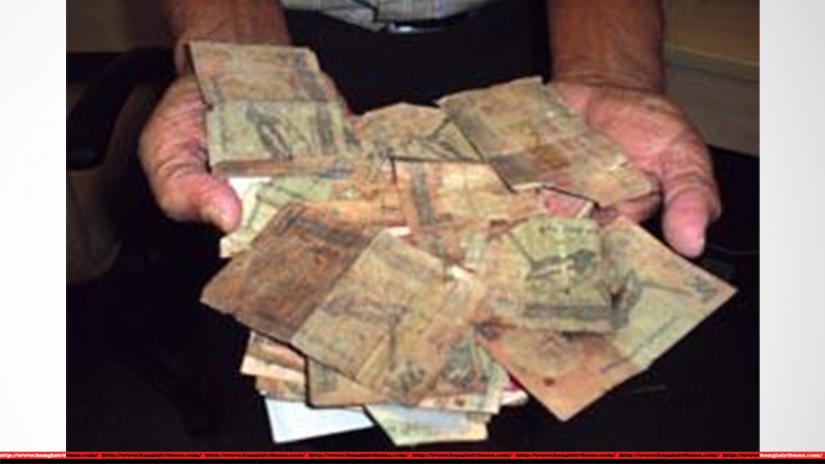
Staphylococcus aureus or “Staph” is a kind of bacteria commonly found on human skin and in the nose. Staph bacteria although usually harmless, can cause serious infections that can lead to death, especially in people with weakened immune systems.
Methicillin-Resistant Staphylococcus Aureus (MRSA) causes staph infection that is difficult to treat because of resistance to key antibiotics. Staph infection, including those caused by MRSA, can spread in hospitals, healthcare facilities, and especially every part of the community, and has therefore become a public health concern.
The full study, yet to be published, observed that these strains showed resistance to beta-lactam antibiotics such as cefoxitin. Lower denominations carried a higher number of bacteria.
According to Dr. Linda Aurelia Ofori, washing of hands, keeping clean and dry money, are some measures one can take to prevent such infections.
She also advised the Bank of Ghana to undertake steps to disinfect old and dirty notes before they are re-circulated.
Latest Stories
-
GNFS contains fire outbreak at Teshie Lekma Road near Lekma Hospital
4 hours -
Samia Nkrumah rejects the narrative that Ghanaians were happy after Nkrumah’s overthrow
5 hours -
A Mother’s pain: Tribute by Ivan Baidoo’s mother
5 hours -
‘Forgive us for staying away’ — Samia Nkrumah leads family back to Nkroful, pledges to preserve Nkrumah’s legacy
6 hours -
Ernest Nuamah scores twice as Lyon beat Rennes
6 hours -
‘My dear Ivan’ – A father’s tribute to a son tragically killed
6 hours -
GNPC Explorco advances Voltaian Basin drilling preparations with 13.5km access road
6 hours -
Cabinet approves facility manager for Borteyman Sports Complex – Kofi Adams
7 hours -
Sanitation is improving; critics may be ‘living in another world’ – Salaga South MP replies Bekwai MP
7 hours -
Government must do more to tackle sanitation crisis – Bekwai MP
7 hours -
World Cleanup Day: GFF begins sanitation education in local communities
7 hours -
EU Ambassador, IGP discuss stronger cooperation on policing and security
7 hours -
Africa Nations Volleyball Championship: Ghana set up quarterfinal clash with Cameroon after beating Chad
7 hours -
Meet Dr Benjamin Appiah Osei — Ghana’s three-time tourism awards winner
8 hours -
UEFA & CONCACAF demand Fifa pays $10m to all 211 members
8 hours