

Audio By Carbonatix
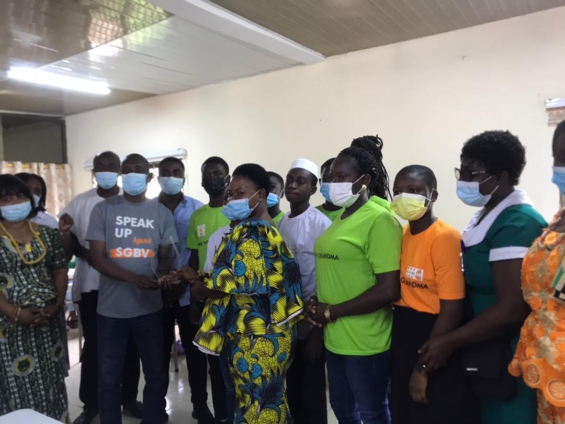
Mrs Richlove Amamoo, the Central Regional Director of the Department of Gender, has advised children, particularly teenagers, to be assertive and bold to say no to early sex.
She said although home and family conditions mostly compel girls to be pushed into early marriages and sexual relationships, it was time girls had their say and speak against early sex.
"Early sex is not good for any child no matter the circumstances, so I charge all boys and girls to be assertive and say no to it," Mrs Amamo gave the advice in Cape Coast at the "Time with Granda" Quiz competition between adolescents in six districts of the Central Region.
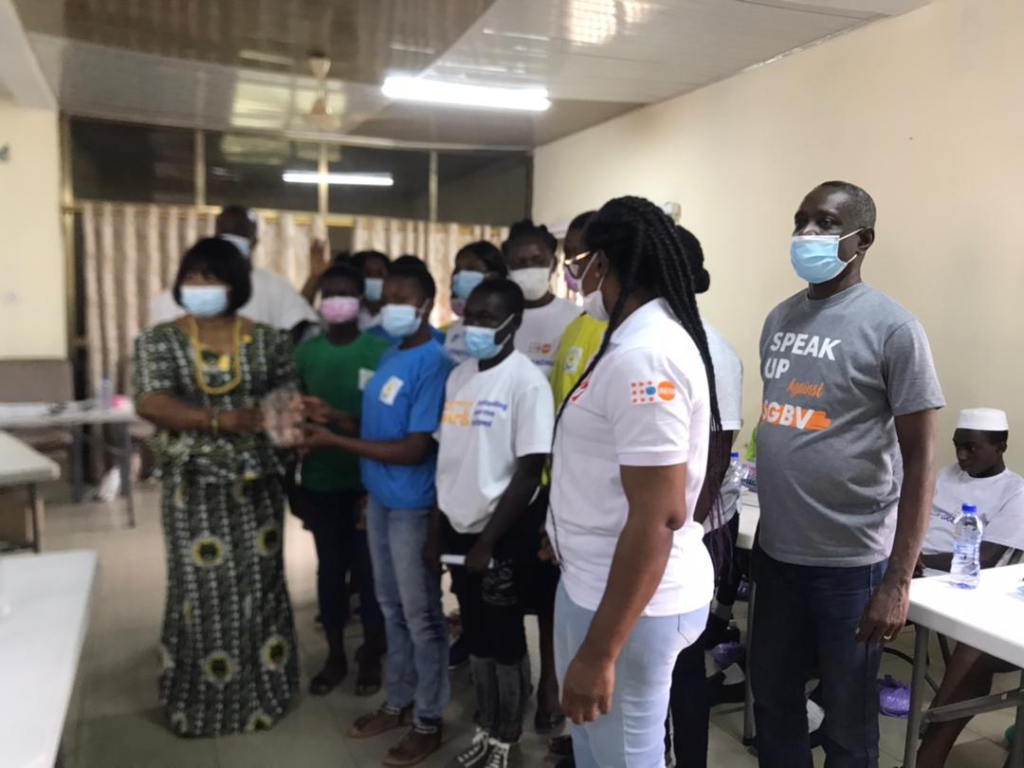
The districts include: Assin South, Ekumfi, Ajumako-Enyan-Essiam (AEE), Komenda-Edina-Eguafo Abrem (KEEA), Twifo- Hemang-Lower-Denkyira and Upper Denkyira West districts.
The program was organized by the Ghana Health Service (GHS) in collaboration with the Regional Coordinating Council (RCC) with funds from the United Nations Population Fund (UNFPA).
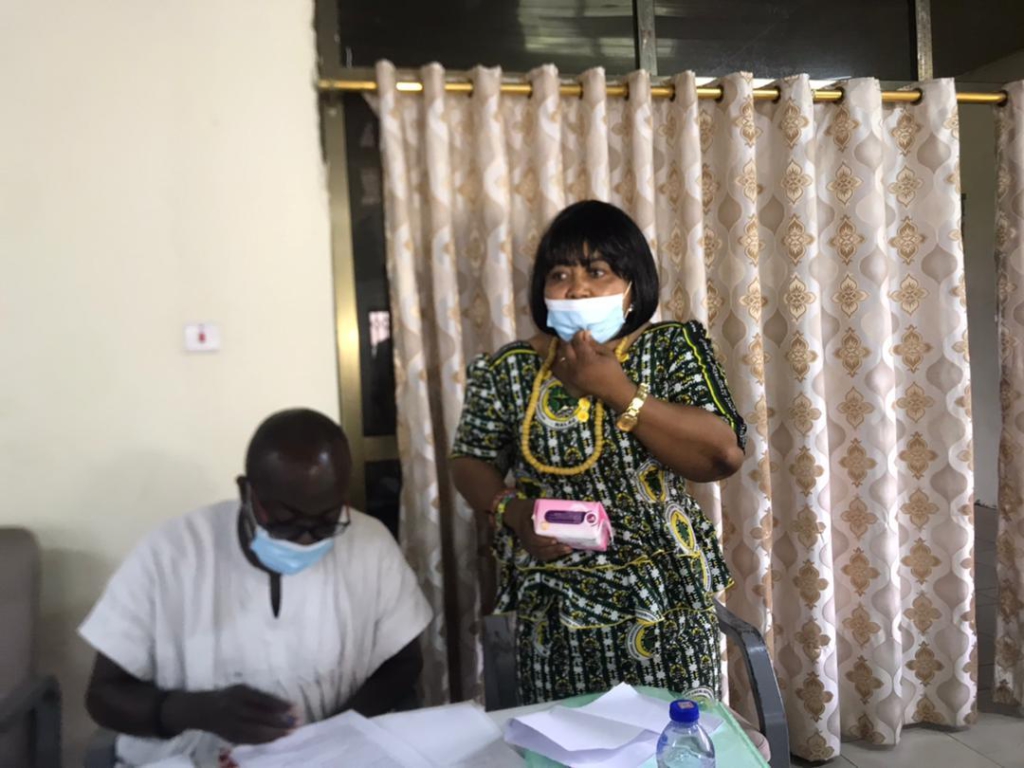
She also advised parents to be alive to their responsibilities and not push their children into early marriages leading to teenage pregnancies.
"We must allow children to take decisions, affirm their decisions and be responsible for their decisions. There should be open sex conversation," Mrs Amamo added.
The Gender Director, called on stakeholders to stick to what the Constitution says about the rights of children, and advised students to study hard to be empowered vocally on their rights and many others.
She said it was the goal of the Gender Department to engage as well as encourage young women not to drop out of school after pregnancy and also report the incidence of child marriage to the appropriate agencies.
"We are doing this to help keep our young ones upright, know the implications of teenage pregnancy as well as make them feel comfortable for their future endeavours," she said.
Mrs Amamoo tasked Girl-Child Coordinators to be inspiration to the girls by motivating them in the pursuance of their goals.
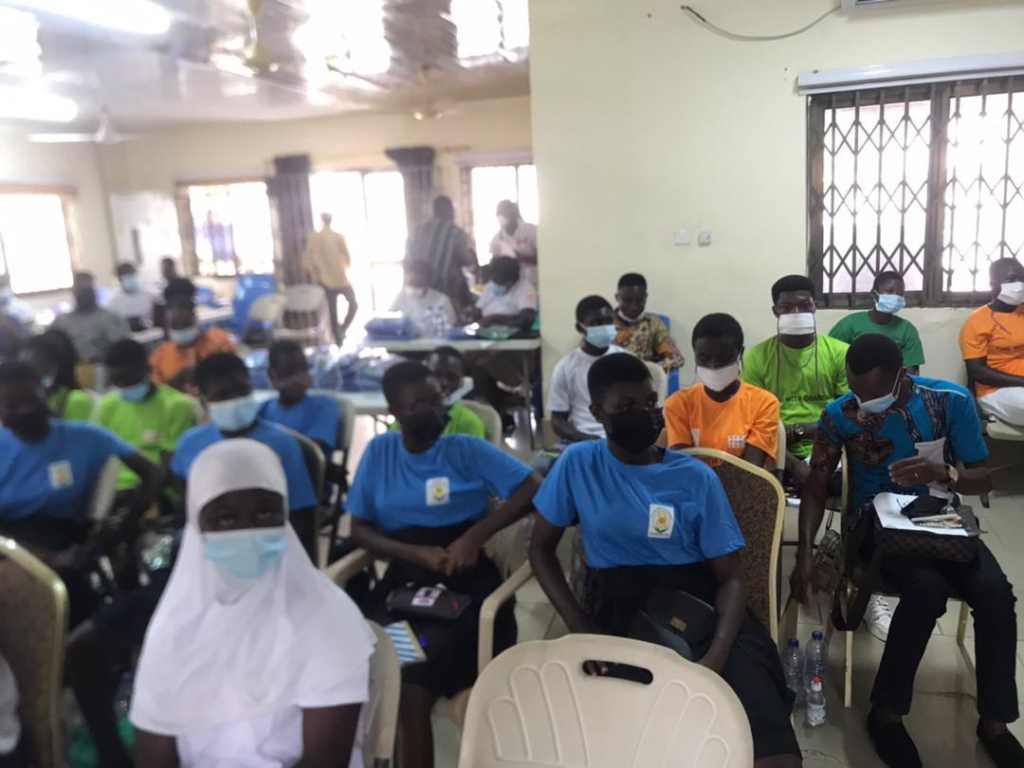
She also advised children to have self-control and take their studies seriously.
Mrs. Bernice Ampimah, the UNFPA Focal Person of the GHS, said the objective was to train the children in the Region, get them informed and educated, to enable them abstain from sexual activities.
The GHS has trained a total of 200 adolescents within the Region and tasked them to also educate their peers to achieve the goal of reducing the rate of teenage pregnancies.
They were trained on personal hygiene, family planning, Abstainance, Sexual and Reproductive Health, among others.
At the end of the competition Ekumfi adolescent club emerged winner followed by AEE and KEEA and they received learning materials and a plaque after the competition.
Latest Stories
-
‘I am not a magician’ – Zdravko Logarušić on Nations FC exit from Africa
30 seconds -
Three nights. 28 titles. Ultimate history made
11 minutes -
Ghanaian delegates at IYF 2026 could become bridges for stronger Russia ties – John Aggrey
15 minutes -
Nigeria: Over 30 dead, 50 hospitalised after consuming alcoholic substance in Ondo State
18 minutes -
UK lawmakers demand new law to address AI threat to human rights
27 minutes -
WAFU B U-17 Girls Cup: Black Maidens depart Accra for tournament in Yamoussokro
27 minutes -
Sweden’s center-left bloc narrowly ahead as election remains too close to call
37 minutes -
GPL 2026/27: ‘We won ugly’ – Kotoko head coach unimpressed after Lions victory
40 minutes -
7 out of 10 human trafficking cases in Ghana never reach prosecution — JoyNews Research
56 minutes -
Music, football to converge at Music Meets Football Summit 2026 in Lusaka
1 hour -
Putin invites young global leaders to partner with Russia in shaping future world order
1 hour -
Putin calls for ‘just world’, says every nation must be free to choose its own path
1 hour -
IFY 2026 food festival to serve 20,000 meals showcasing global cuisines in Russia
1 hour -
Ghana has a Domestic Violence Act: But can a victim afford to use it?
1 hour -
Young artists from 100 countries showcase works at IFY 2026 in Russia
1 hour