

Audio By Carbonatix
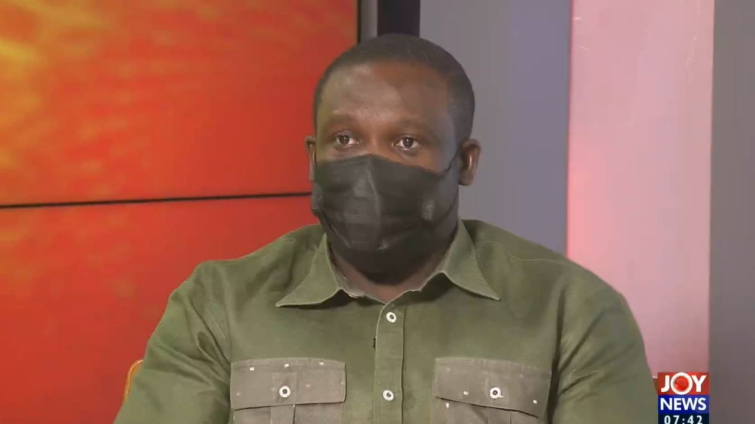
The Member of Parliament for Ningo-Prampram, Sam George says Parliament's decision to be transparent on the debate of the anti-LGBT bill is good for the democracy of the country.
Speaking on Joy FM's Top Story on Tuesday, Mr George stated that the LGBT debate is an issue of national and international interest thereby making one's stance clear in Parliament on the debate is in the right direction.
“This is not like just any other bill that people really have no interest in. The Ghanaian people have an interest in, and if they have an interest we need to serve it. It is only fair. If you sit where I sit, you would only be grateful for what the Speaker is saying because the other side is not playing fair,” he said.
The Speaker of Parliament announced that the Committee on Constitutional, Legal and Parliamentary Affairs’ debate on the Promotion of Proper Human Sexual Rights and Ghanaian Family Values Bill, popularly known as the Anti-LGBTQ+ Bill, will be made public.
Alban Bagbin speaking in the House, which reconvened after a three-month break, on Tuesday, said that this move will aid in having an honest conversation on the bill devoid of political and religious sentiments.
Mr Bagbin stated that although it is important to have different opinions and views shape the Bill, people need to accommodate the views of others.
“So please let’s allow everyone; whether religious bodies, civil society, academia or whatever to participate in the deliberations of this house. I know Ghanaians are expectant, and I know we have over 100 petitions before the legal affairs committee.”
“The sitting of the committee will be public, and the decision of this House will be public, we will want to know where each Member of Parliament stands,” the Speaker added.
Mr Bagbin noted that he is convinced the law that will be birthed from the debate will be one that will evenly protect the people, culture and values of the country
The outspoken legislator, Sam George further entreated persons who are against the legalizing of the bill to support it.
About anti-LGBT bill
In August, eight parliamentarians jointly submitted a private bill to push for the criminalisation of LGBTQ+ activities in the country.
The proponents also want the promotion, advocacy, funding, and acts of homosexuality to be forbidden in the country.
Since the controversial bill was made public, opposers have argued that should it be passed into law, it will violate the fundamental human rights of individuals who identify with the group.
Many groups, including religious bodies, lawyers, and educators, have all submitted petitions to support or oppose the bill.
Latest Stories
-
Nigeria set to launch National Digital Address System 9 years after Ghana showed the way
3 minutes -
Policy rate decision takes time to reflect in lower lending rates – BoG
13 minutes -
Western Regional Minister applauds Karpowership’s role in Ghana’s power sector
38 minutes -
Livestream: Road safety crises: Where are we getting it wrong?
40 minutes -
Enterprise Life celebrates 25 years of protecting families and building trust
48 minutes -
ICC London rules in favor of Ghana against Tullow over $400m tax charge
58 minutes -
We are disappointed in ICC’s ruling over our corporate income tax assessment in Ghana – Tullow Oil
1 hour -
Cost of building inflation for August 2026 increases to 4.6% – GSS
1 hour -
Today’s front pages: Wednesday, September 30, 2026
2 hours -
Bawumia highlights agricultural, compulsory insurance reforms in IBAG engagement
2 hours -
Ghana will secure Tullow tax revenues while protecting Jubilee, TEN investments – Ato Forson
2 hours -
Ghana wins $393m Tullow tax arbitration as tribunal upholds GRA assessment
2 hours -
Gender Minister assures women’s group of action on Affirmative Action, Development Bank
3 hours -
Over 2,000 teachers in Dormaa comply with strike – GNAT Secretary
3 hours -
Food Buffer Stock seeks stronger liquidity buffer despite record profit
3 hours