

Audio By Carbonatix
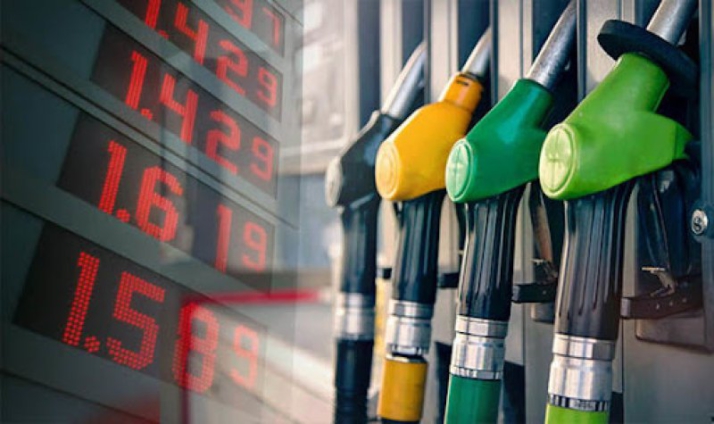
Petrol and diesel prices could hit over ¢8 per litre before mid-2022 if the price of crude oil and the depreciation of the cedi to the dollar maintain their traction on the foreign and local market respectively, the Institute for Energy Security has revealed.
Crude oil is presently hovering around $89 per barrel, whilst the cedi is trading at ¢6.52 against the US dollar.
In a statement, the energy think tank said questioned the credibility of the Price Stabilization and Recovery Levy (PSRL), saying the tax has proven to be unrealistic strategy for bringing down domestic fuel prices
Government from the beginning of February 2022 reinstated the policy which is to cushion losses from petroleum revenue in times of drastic reduction in the price of crude oil on the oil market.
But the IES said three months after the suspension of the levy, domestic fuel prices have risen by more than 9%, to reflect rising international oil and fuel prices, and the fall in value of the local currency.
“The strategy deployed in November 2021 and when average prices of petrol and diesel hit ¢6.52 per litre, was in direct response to mounting pressure on government by Ghanaians, to halt the frequent upward fuel price adjustments.”
“Three months after the suspension of the levy, domestic fuel prices have risen by more than 9% to reflect rising international oil and fuel prices, and fall in value of the local currency. Referenced to today’s Petrol price of ¢7.45 per litre as offered by Total Petroleum and Shell (Vivo), the commodity’s price has moved up by roughly 14%since the PSRL was suspended in November 2021”, he added.
Furthermore, the IES said “but for some political interventions in mid-December 2021, the price of Petrol and Diesel would have crossed the ¢7 per litre mark before the end of year 2021. That desperate move resulted in Ghana Oil Company (GOIL) threatening to pull out of the Association of Oil Marketing (AOMC), after the latter allegedly accused the former of bowing to government’s pressure to reduce its prices, in contravention with of the petroleum downstream deregulated regime’s practices.”
It called for a more sustainable and pragmatic response to the exposures from international oil prices and the foreign exchange market; one that goes beyond the PSRL, since it has become increasingly apparent that Petrol and Diesel prices will likely finish the first-half of the year at record highs.
It concluded saying “whereas the PSRL has proven unsustainable in its present form and substance as validated by IES’ study, the National Petroleum Authority’s incompetent application of same to the realities of the Ghanaian fuel market is a worse cause for worry”
Latest Stories
-
Prof. Kwofie urges publishers to use indigenous knowledge systems to decolonise AI
6 hours -
NDC’s two years of economic gains not enough to establish stability – Alan Kyerematen
6 hours -
AFCON 2027Q: Nine new call-up for Cote, The Gambia matches
7 hours -
Ghana’s MSMEs: Burdened by regulation and overtaxed; why the system isn’t working
7 hours -
Patience Akyianu, former Barclays Bank Ghana MD and Hollard Group CEO, reported dead
7 hours -
Mahama pushes ‘health sovereignty’ agenda, says Global South needs control over resources
7 hours -
Mahama: We are reforming systems, fighting corruption and improving use of public funds
7 hours -
Catholic Bishops welcome task force to tackle drug menace, acknowledge inter-agency efforts
7 hours -
Ghana Catholic Bishops demand urgent action against drug trafficking
7 hours -
Tamale: 5 arrested over suspected drug activities; police seize pistols, narcotics
8 hours -
We have lost a great developer – Mankranso residents pay tribute to late DCE
8 hours -
Ghana Law Society sets September 30 for maiden Bar Conference on legal reforms
8 hours -
GPL Week 3: Port City’s Gyetuah bags a brace as 9 outstanding players named NASCO Players of the Match
8 hours -
Visibility without substance is just noise; I don’t seek popularity—Dr Oppong-Fosu
8 hours -
The late Abubakar Sedik was an exceptional DCE – Ashanti Regional Minister
9 hours