

Audio By Carbonatix
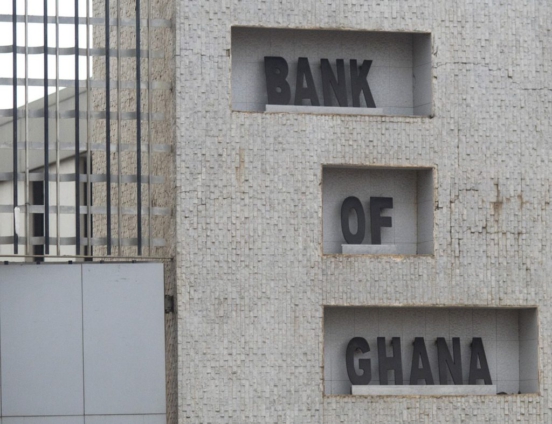
The Executive Director of the Chamber of Petroleum Consumers Ghana (COPEC) has cautioned the Bank of Ghana (BoG) against the needless auctioning of the dollars on the open market.
According to him, the Bank should direct its dollar reserves toward one of the critical petroleum imports.
He added that if the bank refuses to take that step, “you are simply going to have them [OMCs] go to the black market and the BDCs also to go and sought for the dollar. And you and I know the black market rate usually will be a bit higher than the interbank rate.”
He said that the “Bank of Ghana will need to classify petroleum importation a bit differently from how we treat other general import into the country.”
His comment follows the assertion from the Bulk Distribution Companies (BDCs) that persistent hike in the fuel prices is as the result of the weak and depreciating cedi.
In an interview on Joy FM's Midday News, Mr Amoah confirmed the BDC's claim that the weak cedi is contributing to the increase in fuel prices.
“If you look at the position of the cedi currently, it is difficult to contest and to put pressure for them to reduce their prices especially when you look at the fact that they would need to reconvert the cedi noted to dollars to be able to pay their suppliers,” he explained.
According to him, the only way this situation would be addressed is when the cedi is stabilised.
He stated that once the cedi is stabilised, the price increases in fuel will be reduced.
“As we speak, international market are beginning to drop bit by bit, cool off as they would say. Unfortunately, the cedi is not cooling off and so even where you would find prices on the international market declining and the cedi continuously depreciating, you would, unfortunately, have to pay more for fuel and that for us is worrying,” he stated.
Meanwhile, prices of petroleum products will from Wednesday, March 16 experience a significant surge as consumers are expected to pay ¢11 per litre.
The Bulk Oil Distributors has blamed the situation on the volatility on the market as well as the rising cost of crude on the international market.
According to the Chief Executive, Senyo Hosi, the cedi which is depreciating among other major trading currencies is also a factor for the rise in the price of the commodities.
“This is not really with crude but with products on a metric tonne basis. You’re actually breaking the pair and likely breaking 11 as well, subject to which product and how the OMCs want to add some margins on their current prices.
“What you see from the OMCs publication is quite reflective of what the market situation is and I think a big chunk of it has to do with some of the onset increase around our current cedi issues,” he said.
Latest Stories
-
Mentapulse Africa annual GHL Summit to tackle Ghana’s growing talent retention crisis
40 minutes -
Asiedu Nketia dismisses NPP’s GoldBod criticism as political distraction
41 minutes -
Hotel Manager convicted for accumulating refuse behind hotel premises
1 hour -
Telecel Ghana launches SME Month 2026 to unlock growth for entrepreneurs
1 hour -
Disability graduates give government September 15 deadline over employment
2 hours -
Fadu set to join 10,000 young leaders at World Youth Festival in Russia
2 hours -
Effutu MCE, Gomoa Central DCE appeal for calm after deadly New Winneba attack
2 hours -
A-Plus narrowly escapes attack by angry New Winneba residents
2 hours -
Piwak crowned football champions at JoySports Invitational Tournament 2026
2 hours -
Dancehall star Kaakie earns doctorate in nursing, launches mental health practice in US
3 hours -
7 suspects arrested over New Winneba attack
3 hours -
There is no missing gold – Atta Issah rejects NPP’s 16,000oz claim
3 hours -
Three dead, 15 injured in violent clashes at New Winneba
4 hours -
Dog handlers promote animal welfare as classic dog show captivates Kumasi
4 hours -
GoldBod dismisses NPP’s forex allegations as ‘fishing expedition on desert’
4 hours