

Audio By Carbonatix
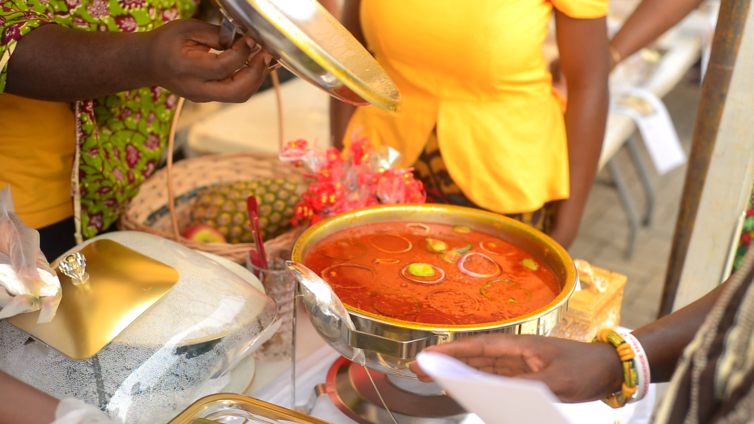
Our diet and taste as a people have changed over time and that change is for the worse, says Dr. Abena Tannor, a World Health Organization Consultant.
According to her, there is a lack of knowledge about the nutritional value of local foods and spices, which contributes to people opting for new spice brands that are high in sodium.
“The majority of the foods we consume now are not healthy,” emphasized Dr. Tannor when she joined David Akuetteh for a conversation on local foods as part of the Ghana Month series on Luv Fm.
“We don’t eat to just fill our tummy; we eat for the nutritional benefit of the food… and sometimes we also eat because some of the nutrients help protect us against diseases,” said the Family Physician.

Some local foods that are seldom consumed include Akapitin, Mpapa, Akaw, Apiti, Mpotompoto, Nuhu, Aporonsu, Ofam, Nyentsira, Adibi, Kafa, Fomfom and Apepresan.
“Ofam is highly nutritious because of the ingredients used in its preparation. It is very healthy too,” said Dr. Tannor.
She also spoke about the importance of using palm oil in the preparation of most indigenous foods, as it helps protect against cancers and is also good for the eyes.
“Palm oil has Vitamin A and E and is really good for us. It’s something that we can actually use in preparing a lot of our meals and it’s available locally,” she said.
“The leaves used in packaging waakye adds flavor to the waakye and also, it’s medicinal. It reduces cholesterol in the blood.
“Cooking cocoyam without peeling is very nutritious. It is even easy to cook and that process helps to keep some of the nutrients in the cocoyam,” she said.
She believes the media has a great role to play in encouraging the populace to include indigenous food in their menu.
“These cooking competitions shown on TV could dedicate some time for Ghanaian meals,” she admonished, adding that TV commercials related to food can inculcate aspects on indigenous ingredients to wet appetite for local cuisine.
She also said innovative ways of eating Ghanaian meals can be explored by reducing the time of preparation and also enhancing their preservation.
“We must also look at the prices of the local foods and ingredients. Some of them are expensive”.
Dr. Tannor, however, says it is better to spend time cooking and eating good healthy local delicacies than to spend less time eating junk food that has adverse health implications.
Latest Stories
-
ECG procurement is where politicians ‘milk’ the company – Ben Boakye
58 minutes -
IPPs’ contractual arrangements partly to blame for energy sector problems – TUC’s Dr Otoo
1 hour -
Like Benzema & as good as Haaland – Alonso on Joao Pedro
1 hour -
Check out 41 countries Ghanaians can visit without a visa on ordinary passports
1 hour -
I disrupted pre-season travel plans to prepare players – Arteta
1 hour -
Richarlison’s move to Vasco da Gama falls through
2 hours -
Dictator meme shows lack of human awareness – Mbappe
2 hours -
2030 World Cup: Moroccan official told to stop making 2030 final promise
2 hours -
Mourinho compares Mbappe and Vini Jr to fruit trees after boos
2 hours -
Lewis Hall signs new contract with Newcastle until 2031
2 hours -
Signed instead of Rashford, Gordon is proving worth at Barca
2 hours -
2026 BECE automatic placement rate hits 87.3%, highest since 2021 — CSSPS data
2 hours -
Ghanaian youngster Zayan Omar joins Spanish side Málaga
2 hours -
New Man City signings desperate to win – Dias
2 hours -
Morocco rejects Spain blame game, warns against using kingdom as political pawn
2 hours