

Audio By Carbonatix
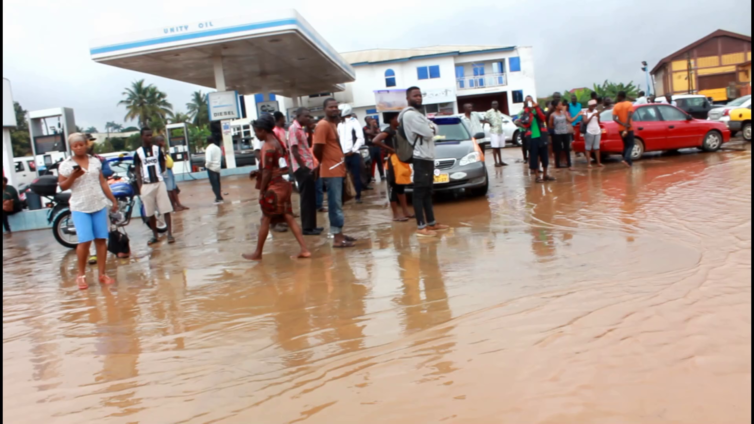
Minister of Sanitation and Water Resources, Cecelia Abena Dappah, has outlined economic prospects of making water available and accessible in every community.
While some communities lack access to potable water, the available water sources are highly polluted by illegal miners.
The sector minister wants indigenes to take steps in protecting water bodies to support the government’s efforts to provide potable water.
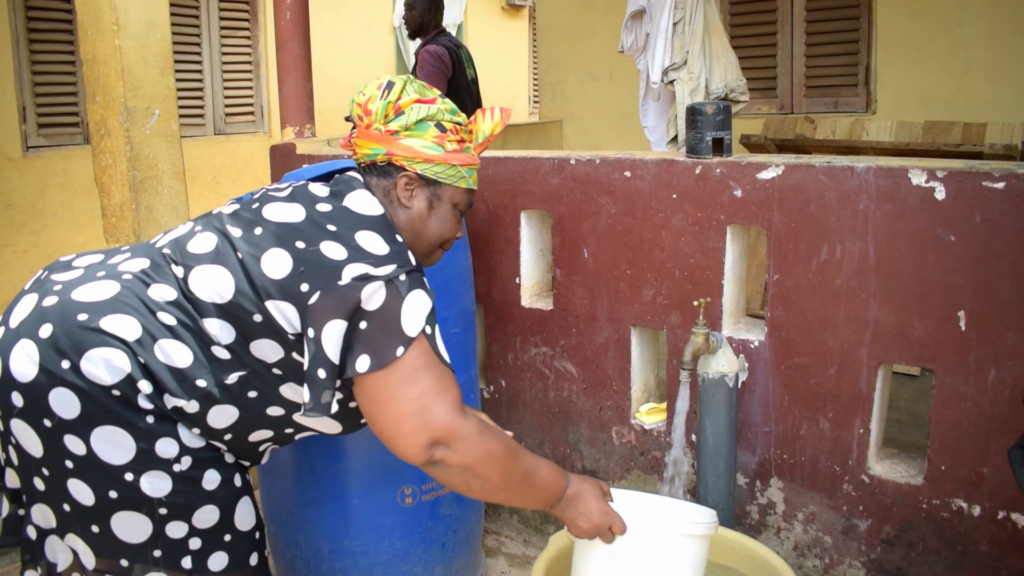
Research by IMANI Ghana has revealed water and sanitary conditions in Ghana are growing from bad to worse.
This has affected economic activities in certain communities, as they are recording a decline in business.
While some communities lack access to potable water, the available water sources are highly polluted by illegal miners.
Industries and specific projects cannot be undertaken in communities due to polluted water and insanitary conditions.
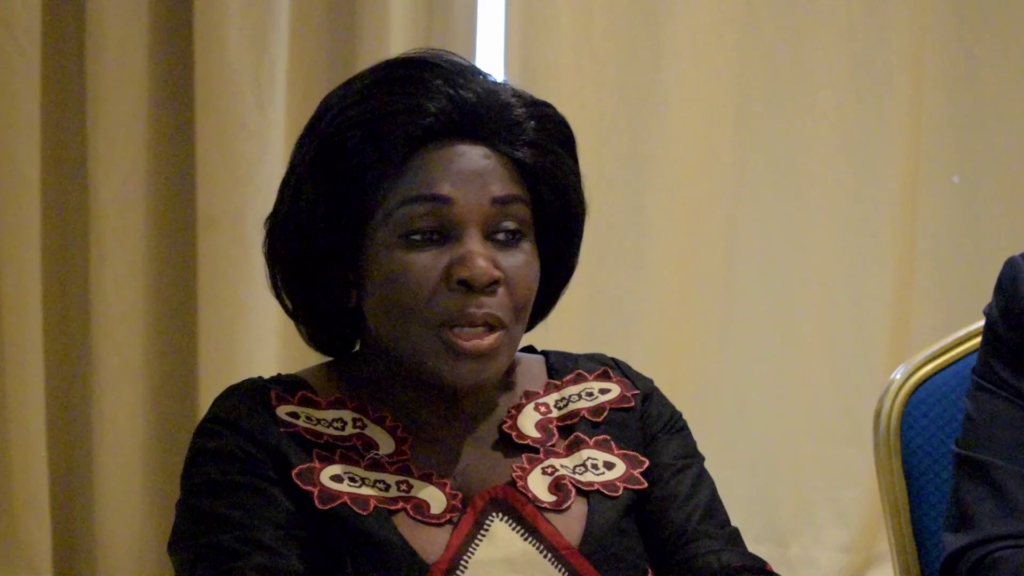
The Minister of Sanitation and Water Resources, Cecelia Abena Dappah wants indigenes to take steps in protecting water bodies to support the government’s efforts to provide potable water.
Outlining the economic prospects when water is made available in every community, she advised developers and community people to stick to 100metres buffer zone.
" Without water, you cannot have industrialization. Everywhere the government's flagship 1 District 1 Factory programme has been sited, water has been provided. I will use this opportunity to appeal to all, to stop "galamsey", farming near water bodies should be prohibited, the pesticides and chemicals flow into the water bodies and stick to the 100 metres buffer zone."
As soon as water springs up in a community, the youth get jobs to do. It is just like when a new road is constructed, people immediately start trading," she said.
This was revealed in a meeting with the Board Chair of Water and Sanitation for the Urban Poor.

The head, Lorde Paul Boateng, urged the youth to develop solutions for environmental sanitation challenges to generate income.
He observes the fast growth rate at which the green and circular economy.
"Good sanitation is also good business. There is a lot of money to be made in effectively meeting the needs of people for toilets. To provide the means by which waste is disposed of and recycled in a sustainable way.
"In all of this, there is a role for the private sector. It generates jobs and opportunities. An example is Clean Team. They should be supported," he said.
Latest Stories
-
AFCON 2027Q: ‘Our Black Stars team is gone’ – Former Sports Minister
8 minutes -
Prof. Prempeh calls for public review of draft constitutional reform bills
20 minutes -
AFCON 2027Q: ‘I have never seen a poor performance from Black Stars like against Gambia’ – Nii Lante Vanderpuye
25 minutes -
Nigeria set to launch National Digital Address System 9 years after Ghana showed the way
48 minutes -
Policy rate decision takes time to reflect in lower lending rates – BoG
58 minutes -
Western Regional Minister applauds Karpowership’s role in Ghana’s power sector
1 hour -
Livestream: Road safety crises: Where are we getting it wrong?
1 hour -
Enterprise Life celebrates 25 years of protecting families and building trust
2 hours -
ICC London rules in favor of Ghana against Tullow over $400m tax charge
2 hours -
We are disappointed in ICC’s ruling over our corporate income tax assessment in Ghana – Tullow Oil
2 hours -
Cost of building inflation for August 2026 increases to 4.6% – GSS
2 hours -
Today’s front pages: Wednesday, September 30, 2026
2 hours -
Bawumia highlights agricultural, compulsory insurance reforms in IBAG engagement
2 hours -
Ghana will secure Tullow tax revenues while protecting Jubilee, TEN investments – Ato Forson
3 hours -
Ghana wins $393m Tullow tax arbitration as tribunal upholds GRA assessment
3 hours