

Audio By Carbonatix
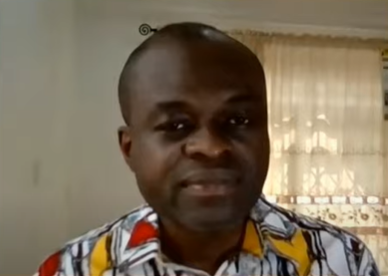
Lawyer, Martin Kpebu, has called for the automatic implementation of Article 286 (4) of the 1992 Constitution as a more efficient and effective means of checking corruption in the country.
According to him, unlike the current anti-graft laws, which have done little to curb corruption in Ghana, the activation of Article 286 (4) in a manner that it is activated automatically at the end of a public officer’s term of office, would be most beneficial to the anti-graft campaign.
“That is the heart of the matter that is the one we need to implement, unexplained wealth. Somebody comes into office and then overnight he’s building properties left, right, centre, by the time he’s leaving he’s amassed so much wealth.
“That is what we need to implement; that there will be a law to implement the 286, Clause 4 that, at the time you’re leaving office, you appear before CHRAJ automatically and explain all your wealth,” he said.
Relying on historical precedents, Martin Kpebu noted that the implementation of the law after the Nkrumah regime, saw Ministers and other public officials who had engaged in corrupt activities, being held accountable.
“And then we’re saying that in our history when the Jiagge Commission sat, and history shows that people used to send evidence to the Commission in the night, they’ll go and push it under the doors, so the next morning by the time the commissioners and staff came, they would find envelopes that contain evidence that Mr. X upon becoming Minister built this house, bought this fresh car Bugatti, Lamborghini, you name them, and so investigate,” he said.
He, however, noted that for the law on unexplained wealth to be very effective, the government must find a way to make Ghanaians comfortable with leaking information to the regulatory body in charge of investigating such cases.
“You remember that the last time CDD, the last time I read something about this corruption fight, they said at least 8 out of 10 Ghanaians are scared of reporting corruption and other malfeasances against public officers.
“Most of our population are scared of reporting, so the only method or the more viable way of fighting corruption is that have a standing committee then people can send evidence surreptitiously,” he said.
Latest Stories
-
Mahama cautions Ghanaians not to take religious freedom for granted
12 minutes -
We need development pathway, not selection exercise – Sports Minister urges football stakeholders
19 minutes -
Government prioritises foundational learning to improve education outcomes
25 minutes -
Ghana, Côte d’Ivoire deepen maritime security cooperation through joint boundary inspection
31 minutes -
Three-hour rainfall exposes poor drainage system in Kadjebi
37 minutes -
Ghana, China push AI innovation in healthcare
44 minutes -
Give young people skills and the systems to create jobs
57 minutes -
Food inflation never responded – Dr Yamson says Ghana must stop throwing money at short-term fixes
1 hour -
Oil set for second weekly rise as unsettled US-Iran war crimps supply
2 hours -
US teen drops lawsuit against Meta, Google and Snap ahead of trial
2 hours -
Meghan could return to acting once back in UK
2 hours -
Bali jails Swiss tourist for insulting sacred Day of Silence
2 hours -
At least 50 killed, mostly children, as overloaded boat capsizes in Nigeria
2 hours -
Cameroon president returns home after 10-week absence
2 hours -
Mineworkers demand release of $34.5 million in trapped savings
2 hours