

Audio By Carbonatix
Umbrella body of insurance professionals in Ghana, the Chartered Insurance Institute of Ghana, is calling for a harmonised standards and regulations for insurance firms, as a means to optimise the full potential of the African Continental Free Trade Agreement (AfCFTA).
According to the institute, the varied capital requirement for member states under the pact could pose as hinderance to insurers’ ability to trade favourably.
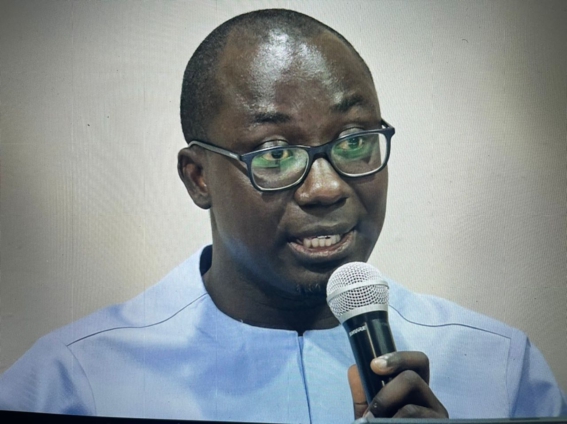
President of the CIIG, Tawiah Ben-Ahmed spoke at a seminar on AfCFTA, the Threats and Opportunities for the Ghanaian Insurance Industry.
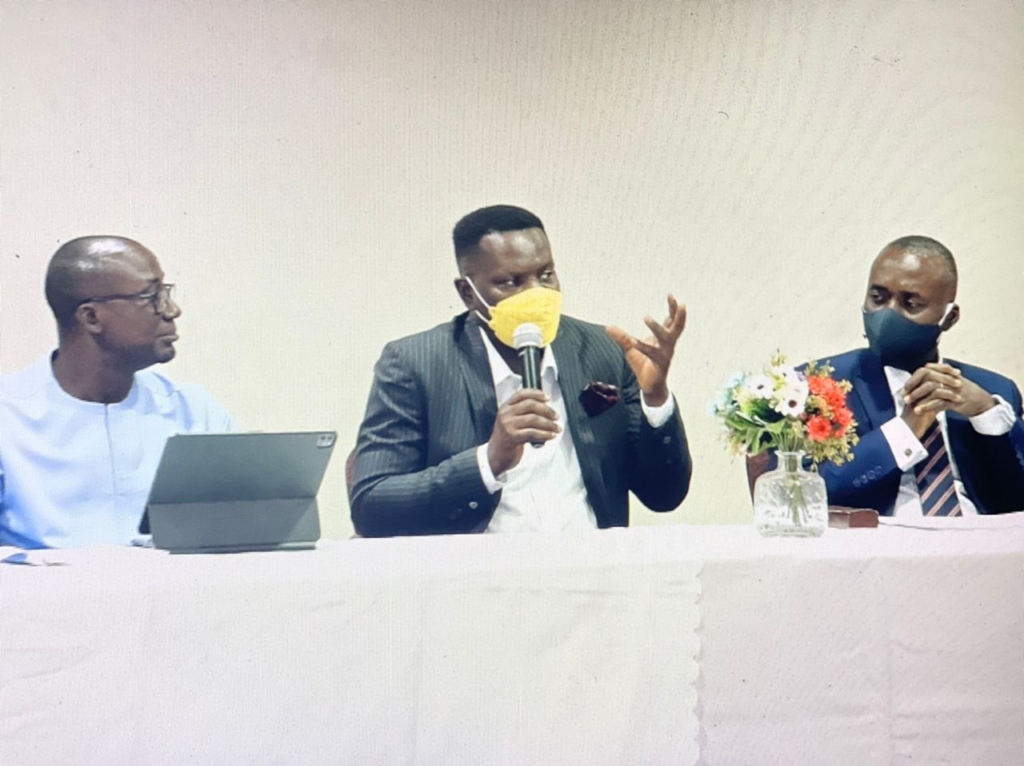
According to him, the insurance sector in Ghana and within the Anglophone West African countries at large, is fragmented.
“Ghana’s capital requirement is not the same of that of Nigeria. So removing the barriers, enabling free trade among countries in Africa also means that, to enable that, it is important that the laws and regulations are standardised and harmonized”, he said.
Boosting Intra-African Trade (BIAT)
Meanwhile, Group Executive Director of the AfCFTA Policy Network, Louis Yaw Afful who was the main speaker at the CIIG seminar indicated that all that is needed to boost Intra-African Trade cannot be realised without the insurance sector.
“In boosting Intra-African trade, there’s the need for infrastructure development which in BIAT talks about finance and trade-related infrastructure”, he said.
Mr. Afful added, “when the goods are produced, how are the goods going? We need infrastructure and these huge investors who want to take advantage, opportunity in AfCFTA, will like to invest and these investors need insurance packages for their activities under the pact.”
Underwriting capacity
On his part, Deputy Commissioner of Insurance at the National Insurance Commission (NIC), Michael Kofi Andoh, expressed worry about the average size of insurance companies expected to trade under the pact.
“The Ghanaian insurance industry is very small whereas that of Kenya makes income of more than US$1 billion annually. South Africa makes multiples of billions and we are just between 600 and 700 million dollars”, he pointed out.
Mr. Andoh added, “If you take the average size of our companies, they are not as big as you would find in Kenya and South Africa.
The Deputy Insurance Commissioner also raised concerns about multinationals linked to insurers in their countries.
According to him, there is the tendency for these multinationals to continue to have their original insurers underwrite their policies under the pact.
Latest Stories
-
Arrest of Techiman nurse is purely political persecution – ‘Ghana Jollof’
6 minutes -
Isak nets winner as Liverpool edge Bournemouth
38 minutes -
I dare gov’t of Ghana to extradite me; they can never do it – ‘Ghana Jollof’ speaks
41 minutes -
Semenyo scores twice as Manchester City beat Sunderland 5-3 in eight-goal thriller
50 minutes -
Parliament calls for government-private sector collaboration to improve waste management
52 minutes -
Volta Region described as cleanest so far in Parliament’s nationwide sanitation monitoring
1 hour -
Parliament urges MMDAs to enforce sanitation bylaws to curb indiscriminate waste disposal
1 hour -
Mohammed Kudus drops out of Ghana squad for AFCON 2027 qualifiers against Côte d’Ivoire and Gambia
2 hours -
Africa World Airlines unveils first Embraer E190 as part of 10-aircraft fleet expansion
3 hours -
Civilian hospitalised after alleged machete attack by prison officers, inmates
3 hours -
Toobu rejects calls to recall Parliament over 3.9-tonne cocaine shipment
4 hours -
Residents in 5 Northern Regions warned of approaching rainstorm
4 hours -
Constituency Games still a work in progress – Sports Minister
4 hours -
Team Ghana set for historic Karting Africa Showrun in Angola
4 hours -
52-year-old South African arrested with suspected heroin after arriving from Accra
4 hours