

Audio By Carbonatix
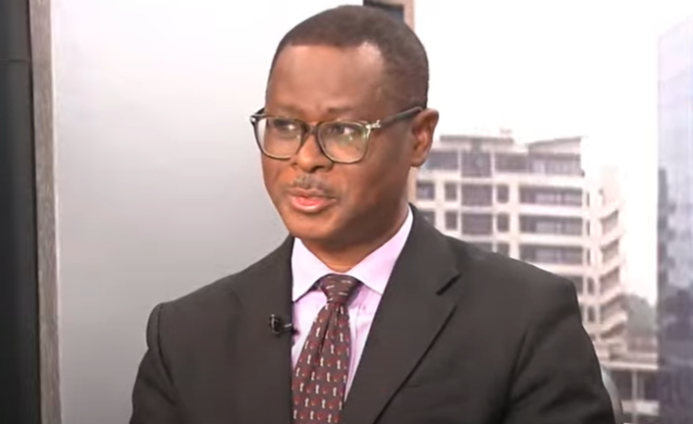
Private legal practitioner Martin Nwosu has advised lawyers to encourage clients who are seeking justice to use Alternative Dispute Resolution (ADR), especially in amenable cases.
Alternative dispute resolution, or external dispute resolution, typically denotes a wide range of dispute resolution processes and techniques that parties can use to settle disputes, with the help of a third party.
This form of dispute resolution does not encourage the use of litigation or trial in resolving conflicts.
Speaking on The Law on JoyNews, Mr Nwosu explained that it takes three to six months for people to appear before a court after filing a case.
However, an ADR process can take days to solve these cases without interested parties going through rigorous court procedures.
“We are inviting lawyers whom parties would consult to now do some due diligence. The parties would say ‘lawyer take this case to court I am sick and tired I want to punish the other party’.”
“But it is up to the lawyer to tell the client these days it is not every matter that should go to court. ‘If I should take this matter to court after some time the court will tell me to go to mediation, so why don't we look for some of these private mediators’.”
He explained that in many cases parties can easily resolve their issues if they are able to sit together, talk and sort through their differences to arrive at a conclusion.
“The resolution (in ADR) is effective, binding and can be executed through a court process, if the case is amenable please don't go spend time going through the due process only for the court after six months to refer you.”
Mr. Nwosu also noted that whereas there are several forms of alternative dispute resolution, the easiest to access is customary arbitration.
In customary arbitration, he explained that, parties involved in the dispute only need to select a customary arbitrator to mediate their dispute negotiations.
This person is often one both parties revere and has confidence in his or her judgement, for instance, an Abusuapayin.
“If you look at the law, it makes it very very easy for parties in dispute to appoint a customary arbitrator. In fact, the simple qualification for a customary arbitrator is the person agreed to by the two disputants to help resolve their problem,” Mr. Nwosu said.
“You don’t need a degree in law; you don’t need to be a mediator, once the parties have some confidence in you that you can help them that’s it,” he added.
The private legal practitioner stressed that the resolution reached through customary arbitration is binding by law and can be enforced by a court.
Latest Stories
-
Assemblies of God requires pastors to resign before entering partisan politics – Rev. Wengam
4 minutes -
Ghana targets 20% annual reduction in maternal deaths – Health Minister
9 minutes -
Cyber attacks in Africa grow faster than global rate, report finds
11 minutes -
Ghana signs UAE deal to create 5,000 overseas jobs
18 minutes -
One Million Coders Programme targets 100,000 digital jobs in two years – Sam George
21 minutes -
John Jinapor, Italian Ambassador explore opportunities for energy sector investment
23 minutes -
NHIA seeks legal reforms to support Free Primary Healthcare
27 minutes -
Beatrice Annan defends Afi Agbenyo’s EC appointment, cites record of gender advocacy
30 minutes -
Ghana seeks investment deals in Bangkok amid global economic crises
34 minutes -
IMF raises Ghana’s 2026 growth forecast to 5.7%, sees inflation falling to 4.8%
36 minutes -
Ablakwa urges Africans not to view immigrants as threat to national progress
40 minutes -
Mahama Cares must fund treatment, not looting – Asogli chiefs
41 minutes -
Ghana’s economic salvation lies not in shifting geo-political allegiances – Dr Atuahene
44 minutes -
BoG proposes tougher rules on loan repayment assessment
49 minutes -
Government plans mandatory drug tests for public service jobs — Muntaka
54 minutes