

Audio By Carbonatix
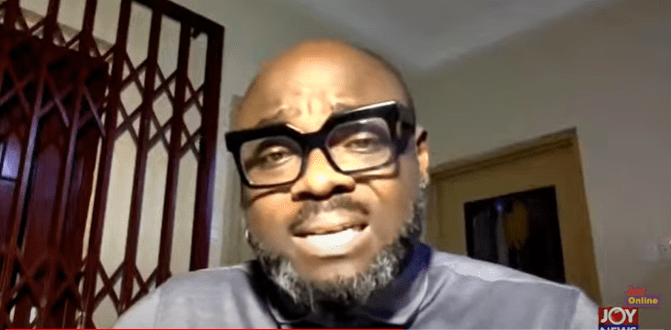
Economist at the University of Ghana Business School, Professor Lord Mensah, says it is time for the managers of the economy to review and probably reduce government’s expenditure as a measure to control inflation.
According to him, following the latest monetary policy action taken by the Central Bank, there is nothing more the Bank of Ghana can do to control inflation and the fast depreciation of the cedi, hence the need for the government to step in immediately.
Speaking on JoyNews’ PM Express, he said, “The Central Bank for now has exhausted its policy measures. What is left is the fiscal side – what the economic managers are doing – and possibly we may have to look at our expenditure.”
His comment follows the Central Bank’s decision to increase the policy rate by 300 basis points to 22%, after an Emergency Monetary Policy Committee meeting on Wednesday, August 17, 2022.
The move is part of measures to address the risks to the inflation outlook.
However, cost of borrowing is expected to go up significantly, and consequently increase cost of living and doing business.
In less than 8 months, the Cedi has come under intense exchange rate pressure due to its continuous depreciation to some major international currencies such as the Dollar, Pound and Euro.
According to data put out by the Bank of Ghana, the Cedi began the year at $1.00 to GH¢6.02.
Just a month ago, one could exchange $1.00 for GH¢7.43, and in less than 20 days, traders needed an average of GH¢9.37 to buy $1.00.
This means the Cedi has lost more than GH¢3.30 of its value to the dollar in less done 8 months.
Prof. Mensah suggests the only option out now is to review some, if not all, of government’s flagship programmes in an expenditure mitigating effort to contribute to easing the pressure on the cedi.
“If you look at the Mid-Year budget review, there was no signaling there that we are ready to cut down expenditure. All the policies and then the investment we want to do from the main budget that we read in November is still in existence. We talk about Agenda 111, all the policies, Free SHS is still in existence.
“Whether it should be reviewed or not, we may have to look at all this. So effectively, we’ve not come up to say that we’re ready to cut down expenditure – I’ve heard some other economist saying that of course government should continue spending, but I can tell you that if you have the money that’s when you spend, if you don’t have it you’ll spend and you’ll put your economy in trouble.
“So for me I think it stops with the fiscal side. Bank of Ghana has exhausted all the monetary policy measures that is needed to keep inflation and all those exchange rate on track. So let’s look at the fiscal side,” he said.
Latest Stories
-
Ghana begins review of 1999 National Land Policy, targets new framework by 2027
19 minutes -
Tiptoe Lane’s tech takeover: The story behind Ghana’s booming informal phone market
2 hours -
Abanga vows to use social media to counter NDC messaging ahead of 2028 elections
2 hours -
Okai Mintah seeks Sabah Zita Benson’s support for NDC National Youth Organiser bid
2 hours -
Okai Mintah vows to strengthen NDC campaign machinery ahead of 2028
2 hours -
Mother of four and Jasikan teacher among new Telecel M’ahitti Promo winners
2 hours -
International Youth Shakers Conclave 2026 set to bring global young leaders to London
2 hours -
Gov’t is committed to addressing teachers’ conditions of service, deprived-area allowance – Education Minister
2 hours -
GoldBod’s structure encouraging galamsey – Afenyo-Markin
2 hours -
Tullow starts selling Jubilee, TEN crude to Ghanaian refineries
2 hours -
Local Government Service authorises rationalisation, redistribution of staff
2 hours -
PURC assures consumers of working to ensure quality services in Northern Region
2 hours -
Ghana develops US$4.28bn water financing framework
2 hours -
Christian Council calls for protection of mission schools’ religious identity
3 hours -
Mahama holds discussions with India’s External Affairs Minister
3 hours