

Audio By Carbonatix
"Can one sector eliminate rabies on its own? Certainly not," said the World Organisation for Animal Health (WOAH).
WOAH cited the COVID-19 pandemic and its long-term consequences as evidence that one sector alone cannot effectively address zoonotic threats, recognizing that animal, human, and environmental health are inextricably linked.
"The health of animals impacts our health; it’s everyone’s health. In the case of dog-mediated rabies, only a coordinated response across sectors will allow us to bring the number of human deaths from dog-mediated rabies to zero," the organisation stated.
The theme of this year's World Rabies Day, 'One Health, Zero Deaths,' seeks to reaffirm this message.
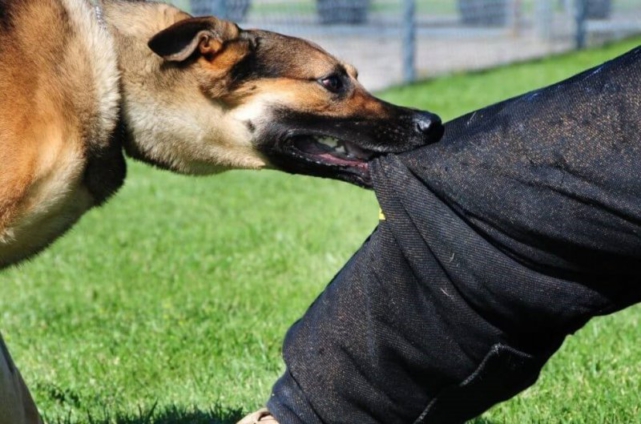
Dog bites and scratches are responsible for 99% of human rabies cases. Experts agree that limiting human exposure to rabies by addressing the disease at its animal source, implementing large-scale dog vaccination, promoting responsible dog ownership, and raising awareness of the available solutions are all critical anti-rabies actions that necessitate a comprehensive and holistic approach.
A rabid dog can infect a person with a single bite, so scientists are advocating for effective collaboration between animal health and human health professionals.
In a statement, WOAH stated that cooperation not only benefits communities' livelihoods and economies, but it also lays the groundwork for stronger health systems capable of responding to zoonotic threats other than rabies.
"Building a coordinated response against rabies will set the path for the control of other zoonotic diseases. When working towards our common goal of “Zero human deaths from dog-mediated rabies by 2030”, we are not only focusing on the efforts needed in the animal health sector," the animal health organisation said.
According to WOAH, pivotal actions from the human health sector are required, including providing access to human medical care and post-bite treatment, particularly in rural areas with limited or no access to health education campaigns and where 80% of human rabies cases occur.
"While we have all the tools to end dog-mediated rabies, including high-quality vaccines for dogs and humans, it has proven difficult to successfully coordinate and invest sufficient resources in its control. Rabies still circulates in two-thirds of the countries worldwide, sustaining poverty in endemic areas. Yet it is rarely targeted by formal surveillance systems."
The presence of the disease and the related social and economic burden are often greatly underestimated. This, in turn, leads to neglect by policymakers and funding agencies.
"Rabies elimination should be better prioritised and investing in its progressive control also offers an opportunity to strengthen public health systems more broadly and to improve equity and access to care for all.
"Rabies is a very telling example of how operationalising One Health at all levels can contribute to a world that is better able to prevent, predict, detect and respond to health threats, thus improving the health of humans, animals and the environment."
The Food and Agriculture Organization of the United Nations (FAO), the United Nations Environment Programme (UNEP), the World Health Organisation (WHO), and the World Organisation for Animal Health (WOAH, founded as OIE) collaborate through the One Health Quadripartite collaboration to drive the change required to mitigate the impact of current and future global health challenges.
WOAH stated that it will soon launch the One Health Joint Plan of Action (OH JPA) with the goal of assisting countries facing global health threats.
The One Health approach will be used to strengthen collaboration, communication, capacity building, and coordination across all sectors responsible for addressing health concerns at the human-animal-environment interface.
"It notably supports the activities of the United Against Rabies Forum, created in 2020 by the FAO, WHO and WOAH.
"The Forum brings together governments, vaccine producers, researchers, NGOs and development partners with the aim of accelerating and implementing a One Health approach for rabies control."
Latest Stories
-
Twelve arrested for allegedly running cat trafficking ring in Vietnam
12 minutes -
Kojo Bamba could be a chairman in the NDC any day without competition – Miracles Aboagye
14 minutes -
Photos: Vice President Jane Naana Opoku-Agyemang at the Ghana Teacher Prize 2026
19 minutes -
GoldBod Jewellery opens new showroom in Takoradi to promote gold value addition
36 minutes -
National Cathedral site handed back to government pending AG’s review – Mahama Ayariga
37 minutes -
Gov’t outlines measures to expand access to affordable housing as Ghana marks World Habitat Day
38 minutes -
Ghana AI Summit 2027 set for Accra in March
41 minutes -
GoldBod to sell spot dollars to banks twice a week under new FX framework
43 minutes -
‘No vacancy’ notice was administrative, not policy to halt national service – Parliament
45 minutes -
Hopeson Adorye elected to World Taxpayers Association board
46 minutes -
Deputy Education Minister appeals to striking teachers to return to classrooms
57 minutes -
Mahama satisfied with Aayalolo contra-flow results – Ayariga
58 minutes -
Ghana’s Rabiu Alhassan joins board of International Fact-Checking Network, IFCN
1 hour -
Argentina hit 7 as Burkina Faso land five hours before kick-off
1 hour -
NPP’s choice of Kojo Bamba, is a rejection of ‘suit and big English’ – Mustapha Gbande
1 hour