

Audio By Carbonatix
This year’s theme signifies that the entire world needs to be aware of the negativity of food loss and waste on the planet and how we can collectively solve it.
As the world contributes to achieving sustainable development goal 2 by ending hunger in 2030, it curbs the challenges associated with food loss and waste (SDG 12.3).
Reducing food losses and waste is an important alternative for food availability. This eventually lowers the prices of food on the market.
The world today is faced with a short food supply chain due to the post-covid-19 pandemic and the effect of the Russia-Ukraine war.
The prices of goods keep increasing and yet China and India top the chart on global food waste with about 931 million tonnes each year.
These challenges in middle- and low-income countries have become cyclic over the years. Emphasis on food losses in the supply chain requires prompt intervention to effectively promote food security and planetary health.

In Ghana, causes of food losses and waste could be attributed to several reasons not limited to poor storage facilities after harvest and purchase, respectively.
A warm or humid environment promotes insect pest and microorganism infestation.
The lack of refrigeration affects the cold chain management of products.
The issue of poor packaging, poor transportation, and unsatisfactory market conditions render produce unacceptable.
Consumer rejection due to aesthetic defects of produce especially fruits and vegetables is equally high in developed countries.
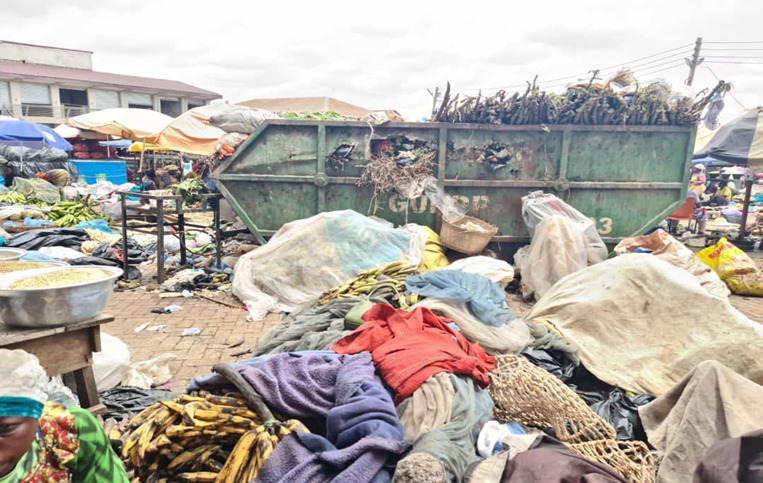
In reducing these challenges, shortening the food supply chain, and promoting food security, the quality standards of food produce should not be compromised. An investment made by the government at the local level to reduce food losses and waste must be visible or reflective in farmers'/ producers’ lives.
The global trends on food insecurity in Africa and some parts of the world have necessitated that adequate storage facilities like silos for staples to avoid glut in bumper seasons are taken into immediate consideration by the government.
On the part of consumers, it is important to promote planetary health by making a shopping list and buying what is needed.
Consumers who decide to shop in bulk should be sure of adequate storage facilities in their homes. It is kind to share leftovers with the needy. Do not throw them away, it contributes to global warming.
About author; Dr Stella Agyemang Duah, is a Research Scientist, Biotechnology & Nuclear Agriculture Institute, GAEC.
Latest Stories
-
Gender Ministry meets Nana Akua Addo’s husband over domestic violence after hospital discharge
22 minutes -
UG Vice-Chancellor urges swift operationalisation of National Research Fund
40 minutes -
Pope Leo to have surgery after lump found in lung
47 minutes -
Joseph Cudjoe writes: Ghana must break free from the dangerous mindset that natural resources are the foundation for wealth
1 hour -
Children among 109 dead after boat capsizes off Djibouti, UN says
1 hour -
OmniBSIC Bank’s 11th health walk promotes fitness and business growth
1 hour -
2026 World Maritime Day: Danish Embassy organises “The Gulf of Guinea Speaks”
2 hours -
New Economy will tackle unemployment and restore hope – Ato Forson
2 hours -
IMMILAC president recounts personal losses as security women lead breast cancer awareness campaign in Wa
2 hours -
University of Ghana postpones October 12 reopening as GAUA strike persists
2 hours -
Bahass Foundation launches vocational skills training to support mental health recovery in Wa
3 hours -
NPP orders parliamentary aspirants and their supporters to suspend campaign activities
3 hours -
Techiman unites against child marriage: Joy Impact Makers Awardee leads charge on International Day of the Girl Child
3 hours -
Ghana Psychological Association calls for greater involvement of people with lived experience in mental health care
5 hours -
Ablakwa says Ghana could evacuate more citizens from South Africa if the situation worsens
5 hours