

Audio By Carbonatix
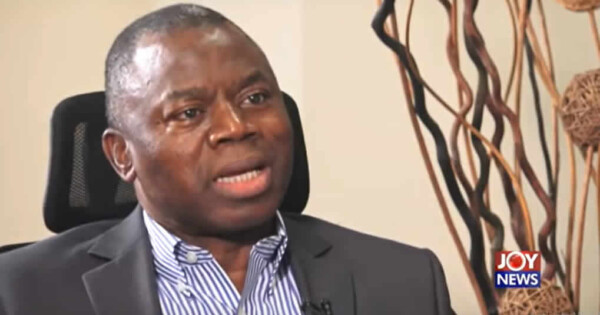
Former President of the Ghana Association of Banks, Alhassan Andani, says the banking sector crisis was not systemic but rather an institutional one.
According to him, most of the top players in the banking sector had identified and taken precautionary measures against banks at risk of insolvency long before the Central Bank had raised red flags concerning those banks.
He noted that if those top banks had been unduly exposed to the defaulting banks, the collapse of the defaulting banks would have had a much more resounding effect in the country’s economy.
He stated that the Bank of Ghana should have realized earlier what was going on within the banking scene and taken appropriate measures, however, the BoG continued to provide liquidation to defaulting banks long after most banks had cut credit ties with the unhealthy banks.
Speaking on JoyNews’ PM Express Business Edition, he explained, “Instead of the regulator … stepping in at the right time they were getting liquidity support. But typically the liquidity support from the banking sector clears within the banking sector.
“In the morning there will be a bank that has surplus cash and they know that I can’t use that there’s a bank that has cash needs so you’ll throw within a certain agreed limit and then it clears out the next day, all those are what we do.
“But when you’re cornered, you’re always out there in the market picking up someone will say ‘what’s happening to this bank?’ Then people start to withdraw their [funds]. So at the peer level, certain banks knew that other institutions within that space were not healthy enough and therefore cut off their lines of credit.
“That should have been a signal to the Central Bank. And if you go there for liquidity support number one and come back number two there’s a problem. Somebody should be sitting there helping you to balance your assets and liability.”
He believes the liquidity support should have been stopped to allow the banks go down by themselves.
“Yes, and then we would have had one institution gone and the others would be resolved, instead of trying to condone as many of them as possible then you had such a huge institutional impact. But even then, look at it, none of the top 10/12 banks were impacted because it was not systemic.
“Systemic is where you believe that this bank was healthy and everybody was dealing with them and suddenly they couldn’t meet up. Then the default of one bank will affect a healthy bank because that healthy bank had exposures to the defaulting bank. That’s systemic risk.
“But in the case of what happened in Ghana, there was very little systemic risk because we know those that were already at the bottom ready to go,” he said.
Latest Stories
-
Trump administration moves to impose more than $100,000 fee for H-1B worker visas
14 minutes -
Oil prices steady as investors weigh impact of expanded US sanctions against Iran
2 hours -
Trump administration plans to revoke visas of foreigners seeking asylum
2 hours -
US appeals court considers reassigning case from judge over AI use
2 hours -
Trump bought shares in Elon Musk’s SpaceX in June, financial disclosure shows
3 hours -
MTN approves $375 million share buyback after profit rise
3 hours -
Ghana gold buyers went weeks without funds, sources say
3 hours -
Nevada sues to block Trump administration’s Colorado River plan
3 hours -
Tunisian hospital receives 19 bodies after migrant boat sinks
3 hours -
Oil drops more than $2 despite new US sanctions on Iran
3 hours -
Dangote refinery drives seven-fold rise in Nigeria petroleum product exports, EIA says
4 hours -
Zambia closes courts on last day to file election challenge
4 hours -
Nearly three million Teslas recalled in China over hidden door handles
4 hours -
China probes use of formaldehyde to keep cabbages fresh
4 hours -
Veteran Nollywood actor Taiwo Hassan ‘Ogogo’ dies at 65
4 hours