

Audio By Carbonatix
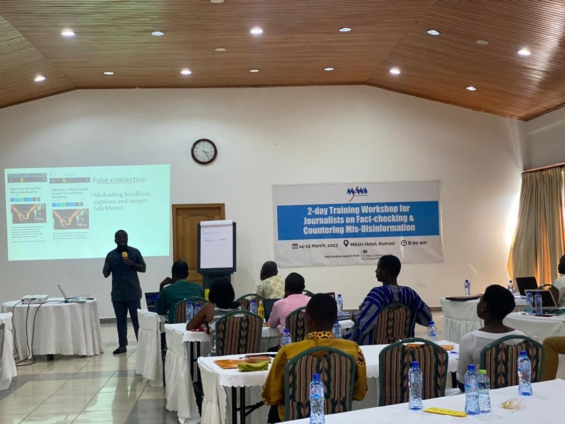
Media professionals have been urged not to discard information shared on social media.
The expert want pressmen to take advantage to reflect on the content, call out falsehoods, and fact-check them.
According to Kwaku Krobea Asante, Fact-Check Lead at Media Foundation for West Africa (MFWA), while cases of misinformation, disinformation and mal-information would continue to exist, media practitioners could help change the narrative.
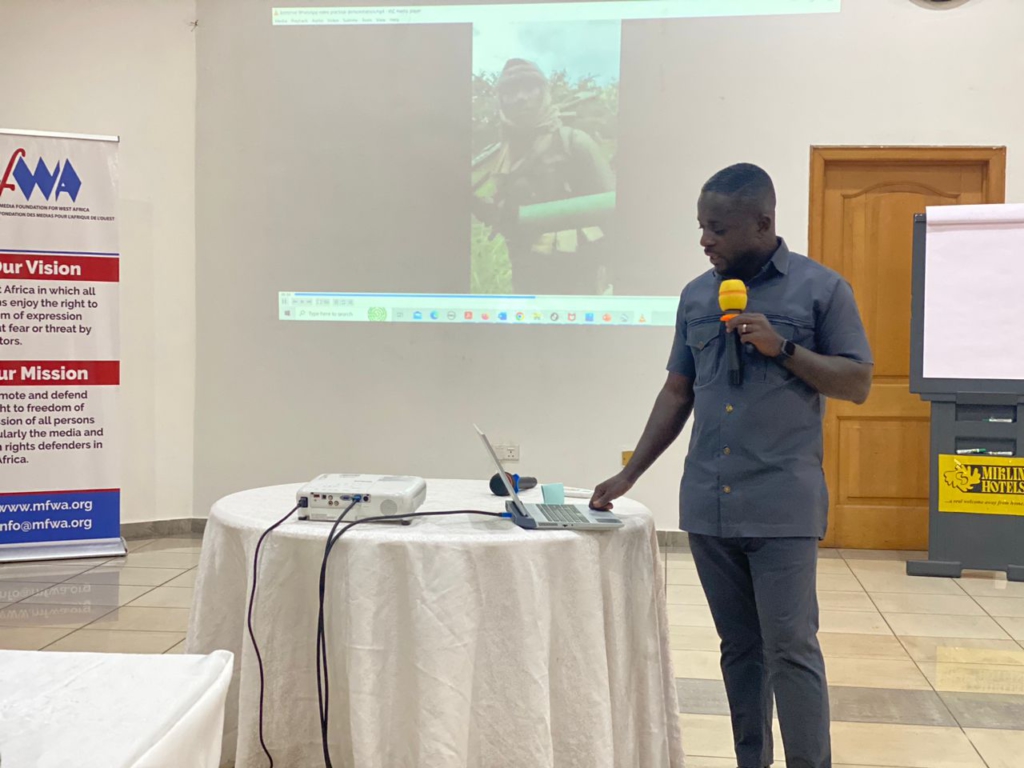
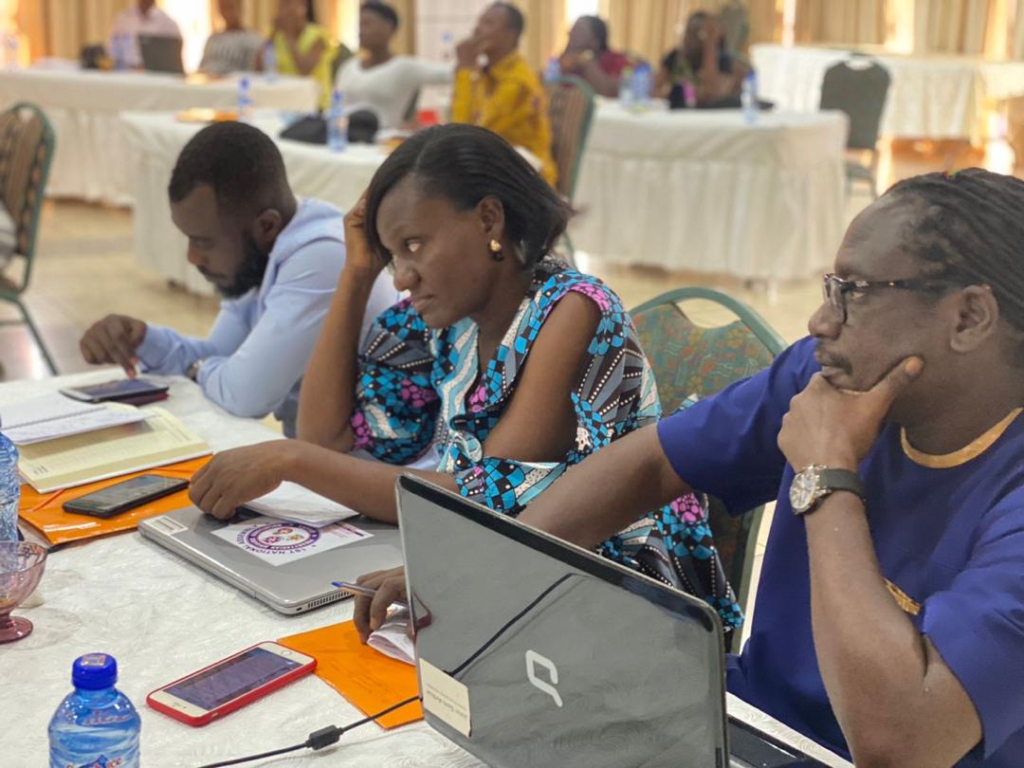
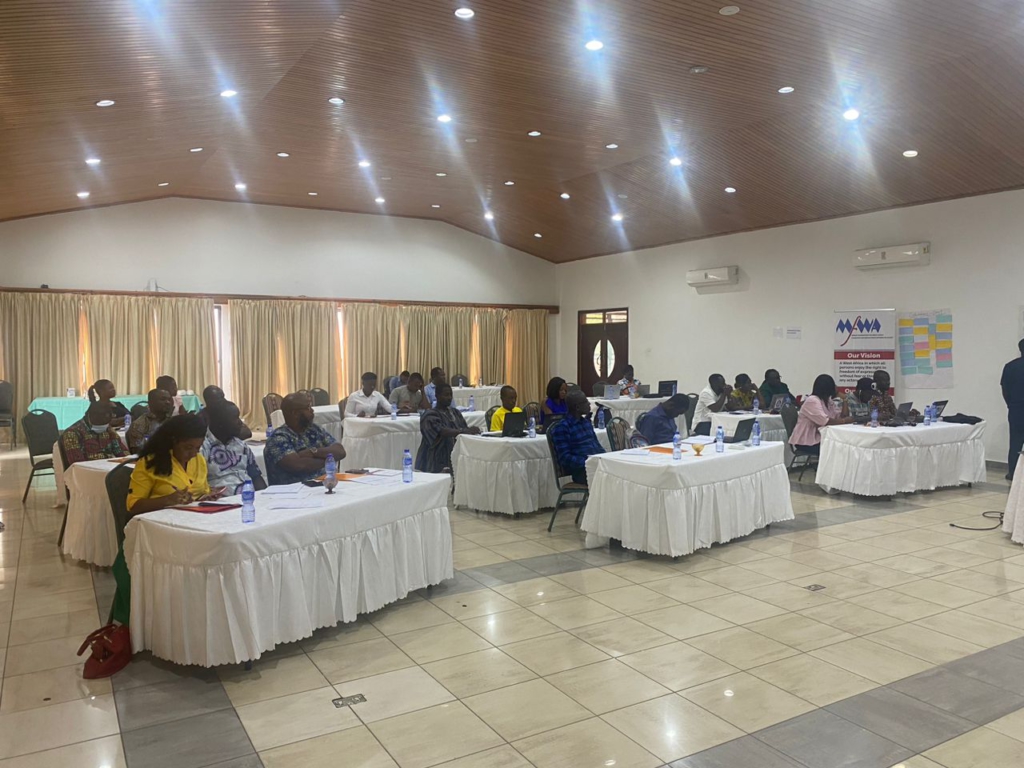
He was speaking at a two-day training workshop on fact-checking and countering misinformation for 25 media practitioners in Kumasi.
According to the website, Statista 2020, the global economic damage caused by the dissemination of false news in the financial, political, and healthcare sectors is around 78 billion dollars.
The actual loss, however, is the sensation of general confusion generated by a steady flow of disinformation.
Some Ghanaians are questioning the relevance of social media, which is seen as the least dependable source of information and fake news.
According to Statista, confidence in conventional media is also dropping, with 53% of respondents believing it to be trustworthy.
Kwaku Krobea emphasized the significance of gathering information in the proper manner, utilizing unique verification methods including, fact-checking, verifying sources and checking the author.
He emphasized social media platforms are particularly fertile ground for the spread of fake news – the ease with which fake news can be circulated, as well as the impunity for those who share it, are just a few of the factors that make social media platforms particularly dangerous and difficult to manage.
The Media Foundation for West Africa is working to enhance the region's media landscape by countering misinformation and propagandist narratives via media capacity building, fact-checking, and media campaigns.
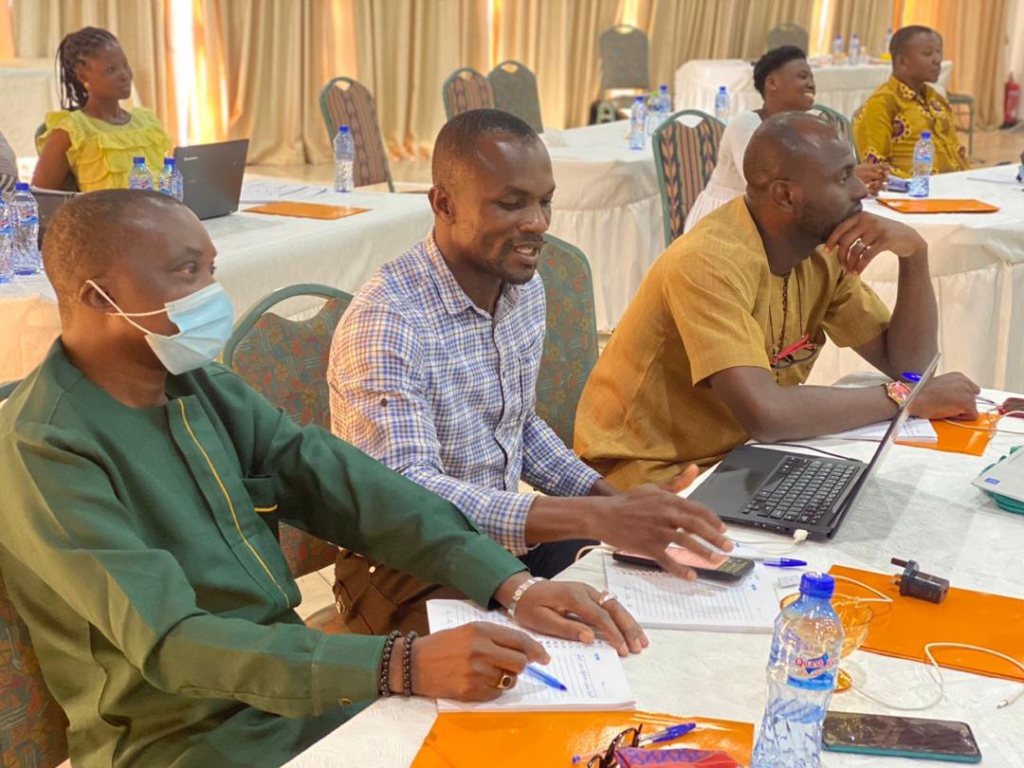
Participants were taken through Google reverse image search, pandex.com, tineeye.com and image-edited websites photos facts-checking to be able to verify and confirm the authenticity of photos shared on social media to inform, misinform or disinform the public.
Kwaku said it was necessary for the media practitioners to use these websites for their greater digital well-being, and to exercise their critical thinking
Latest Stories
-
Barcelona close to deal for Arsenal’s Jesus
1 hour -
Three-week international break a concern – Mourinho
2 hours -
Bellingham scores as Mourinho’s Real win again
2 hours -
Tech trouble leaves Chelsea game ref without comms
2 hours -
Wife of man who died after turbulence sues airline
2 hours -
Russia says it helped to repel Niger attempted coup
2 hours -
Michail Antonio helps young Ghanaians chase Premier League dreams
4 hours -
Zambian opposition leader charged with treason
4 hours -
Iceland votes against restarting EU membership talks
4 hours -
WhatsApp chat used to launder cash for crime and extremism
4 hours -
US judge blocks Pentagon’s Anthropic blacklisting
5 hours -
Tinubu files case in US court to block release of alleged drug trafficking record – Lawyer
5 hours -
‘Powder Guy’ denies $32,000 visa fraud charges
5 hours -
Two suspects arrested over lynching at Daboya
5 hours -
Mobile phones contributing to Christians’ spiritual decline – Bishop Patu
5 hours