

Audio By Carbonatix
Initial discussions around the gold for oil deal created the impression that the policy is a barter deal.
Barter trade is an act of trading goods or services between two or more parties without the use of money. It simply means exchanging goods or services for goods or services.
However, the Deputy Minister of Energy, Andrew Egyapa Mercer has explained that the gold for oil policy is not entirely a barter deal.
According to him, the deal involved the Bank of Ghana (BoG) purchasing gold from small-scale gold operators in cedis, which the bank then sells on the international market for foreign currency(dollars).
The monies realised from the sale, he explained, BoG used to purchase oil and in some instances, the gold was swapped for the oil.
“Gold for oil which purely is that Bank of Ghana aggregates gold here in the country by buying from small medium scale operators who would have exported and if all things were working well, would have repatriated the funds into Ghana to support our import bill but that fund in itself was not coming.
“So aggregating the gold here, paying for it in cedi, and externalising it to then either swap or sell their gold to fund the petroleum imports would help in reducing the demand that ordinarily BDCs would be having for dollar, at least to the extent that the gold for oil programme was providing,” he said.
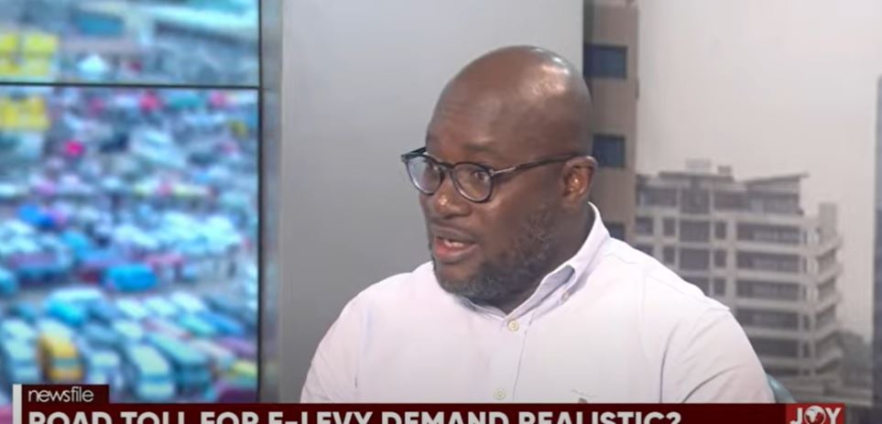
Speaking on JoyNews’ Newsfile on Saturday, the Sekondi MP explained that the main objective of the gold for oil policy is to ensure a constant supply of oil and stabilise the cedi.
Narrating factors that accounted for the adoption of the policy, he said “the gold for oil deal is really very simple, we as a government realised that owing to especially the Russian Ukraine invasion, supply chain challenges had evolved that lead to some countries experiencing a shortage in petroleum products.
“Of course, our own peculiar economic situation where forex availability was becoming a challenge for the bank of Ghana import cover was dwindling. So the demand for dollar to import petroleum product then led to spiraling in the depreciating of the cedi, especially because BDC’s forward price.
"By forward price it only means that if they import the commodity today at say GH₵10 per dollar, because there is a window within which they sell and reimport, they want to assure themselves that by the time they sell the commodity, they will be able to generate sufficient enough to buy the same dollar to replace their stocks. So rather than selling it for GH₵10, they will sell it for GH₵15,” he told host, Samson Lardy Anyenini.
He added that the government in a bid to solve the problem came up with the gold for oil policy which would ensure that the forex rate is stable.
Latest Stories
-
GoldBod cannot hide behind agency role to escape accountability – Afenyo-Markin
4 minutes -
‘You don’t get to keep the fees and disown the costs’ – Afenyo-Markin challenges GoldBod
9 minutes -
GNPC turns 40, targets oil production recovery and $3.5bn fresh investment
18 minutes -
Minority will speak boldly on GoldBod losses despite attacks – Afenyo-Markin vows
23 minutes -
Moody’s upgrades EBID rating to B1, citing stronger finances and shareholder support
32 minutes -
GoldBod cannot make losses trading gold – Afenyo-Markin
40 minutes -
Papaye, KFC and Pizzaman customers among most targeted as TrustGH uncovers nearly 1,000 scam numbers cloning Google business profiles of major food chains
50 minutes -
2026 U20 WWC: ‘We are in a tough group’ – Black Princesses’ Linda Owusu Ansah
57 minutes -
2026 U20 WWC: Ghana’s Ambassador to Czech Republic welcomes Black Princesses to Poland
1 hour -
Oti NPP executives demand completion of stalled government projects
2 hours -
Jinapor demands answers as Alima Mahama is asked to pay for Embassy spending outside her tenure
2 hours -
Russia doubles scholarships for Ghanaian students to 240 annually
2 hours -
Cedi’s year-to-date loss slumps to 4.09% as recent gains gather pace
2 hours -
‘Home has spoken’ – Justin Kodua Frimpong says as Ashanti delegates back his re-election bid
2 hours -
Mustapha Abdul-Hamid, seven others’ NPA case adjourned to August 27
2 hours