

Audio By Carbonatix
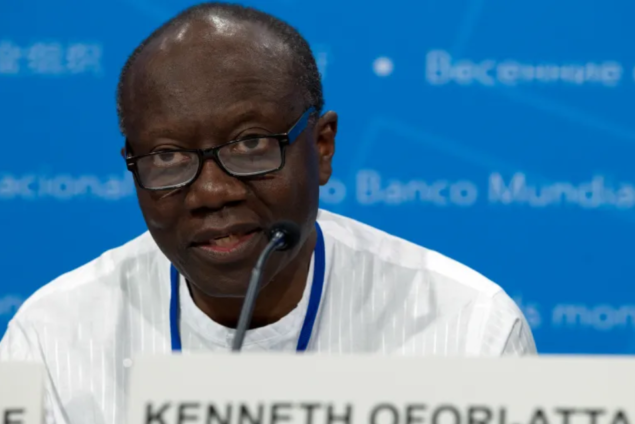
Finance Minister, Ken Ofori-Atta, has outlined five key measures necessary for the government to pursue in order to secure an International Monetary Fund (IMF) support programme.
They are electricity tariff hikes which have brought the cumulative increase to 60% since August 2022 and Comprehensive set of revenue-enhancing measures, including increase in the Value Added Tax rate and the review of the Electronic Transaction Levy (E-levy).
The rest are the enactment of an ambitious 2023 Budget, with a frontloading of the fiscal consolidation programme, continued monetary policy tightening to bring inflation under control and comprehensive set of structural reforms, notably public expenditure review.
These were captured in the Investors Presentation by the Finance Minister and supported by the Governor of the Bank of Ghana, Dr. Ernest Addison.
With regard to fiscal and debt sustainability, the Finance Minister said the government has undertaken fiscal adjustment with revenue and expenditure measures to improve debt sustainability and restore macroeconomic stability.
This is expected to address structural bottlenecks including contingent liabilities of State Owned Enterprises, commitment controls and arrears accumulation as well as domestic revenue mobilization.
On monetary and financial sector reforms, Mr. Ofori-Atta said government is committed to rebuilding reserve buffers, mobilize external concessional financing from multilateral and bilateral partners, and suspend external debt service payments.
With regard to social protection and structural reforms, the Finance Minister said government will safeguard social protection programmes and ensure the burden of adjustment is fairly distributed.
Again, it will reinforce and improve the targeting of social spending to protect the most vulnerable from the impact of the economic crisis as well as fast-track the implementation of growth-oriented socio-economic policies, such as Ghana CARES to mitigate the impact of the pandemic and support economic recovery.
Government outlines 5 ambitious macroeconomic targets
Meanwhile, the government has outlined five ambitious macroeconomic objectives in the medium term as part of securing a programme from the International Monetary Fund.
They are reaching a 1.5% of Gross Domestic Product primary surplus in the medium term, bringing inflation below 8% in the medium-term and restoring external buffers with gross international reserves reaching 3 months of import cover by 2026.
The rest are reaching a real Gross Domestic Product growth target of 5% over the medium-term and enhancing competitiveness with exports surpassing 37% of GDP in the medium run.
Latest Stories
-
Ghana Mineworkers Union demand suspension of contract mining directive, threaten industrial action
23 minutes -
ADB Ghana Medicals constructing and equipping new Cardiothoracic Centre at Komfo Anokye
30 minutes -
AFREIKH Summer School challenges Africa to harness critical minerals
40 minutes -
Government plans 2,000-acre pharmaceutical innovation park in Osudoku to boost local drug production
42 minutes -
Partey undergoes medical ahead of Al Shabab move in Saudi Arabia
44 minutes -
Today’s front pages: Friday, August 21, 2026
1 hour -
Power outages could drive up cost of digital services — NITA
1 hour -
Patients face basic sanitation gaps in West African health facilities — WHO / UNICEF
1 hour -
Competence has no age; let’s stop punishing new businesses
1 hour -
JoyNews Republic Bank Habitat Fair 2026 opens today at Achimota Mall
2 hours -
What Is Wrong With Us: The roads that keep counting our dead
2 hours -
MTN condemns recent xenophobic attacks on Ghanaians in South Africa
2 hours -
Philip Nai: What happens at your front desk can make or break your brand
2 hours -
Ghana’s mining deaths fall sharply, but Chamber insists ‘three deaths are too many’
3 hours -
Tatale Sanguli officials destroy expired food products, warn traders
3 hours