

Audio By Carbonatix
Minister of Communication, Ursula Owusu-Ekuful, has expressed worry about the African continent's lower rate of Early Warning System implementation as compared to other regions.
According to the World Meteorological Organization's 2021 State of the Climate Report for Africa, about sixty percent of Africans who do not have access to an Early Warning System are unable to cope with extreme weather and climate change.
“This exacerbates the risk for African people and this situation should not be allowed to persist. We have to be proactive and to protect its people through Early Warning System using modern digital technology,” the minister said.
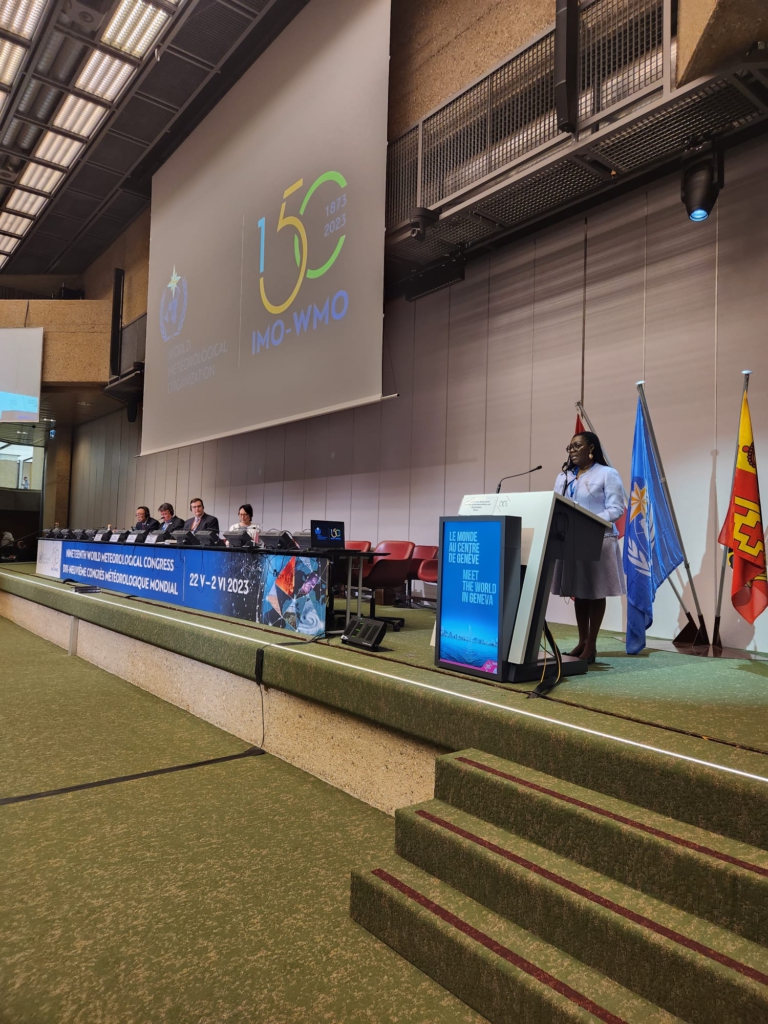
Ms. Owusu-Ekuful also stated that technological advancements such as satellite monitoring have enabled the National Meteorological and Hydrological Services (NMHSs) to predict weather conditions with greater accuracy, allowing authorities to provide more specific, localized warnings to people in affected areas. And that the integration of technologies such as social media, apps, text messages, and push notifications make it easier for authorities to reach out to individuals in a timelier manner.
“Leveraging these technologies is part of our strategy to mitigate the gaps in access to early warning to provide timely weather services. The Ghana Meteorological Agency’s ‘My Flood Risk Accra App’ which provides real-time flood and weather alerts for our capital city was launched in August 2021. The App informs citizens about their exposure to flood risks for early preparedness and early action,” she said.
An Early Warning System is a climate change adaptation measure that uses integrated communication technologies to assist communities in preparing for hazardous climate-related events.
A successful EWS saves lives and employment, as well as land and infrastructure, and contributes to long-term sustainability. Early warning systems will aid public authorities and administrators in their planning, saving money and preserving economies in the long run.
Working with a variety of partners, the UN has launched a number of unique Early Warning System efforts in vulnerable areas across the world.
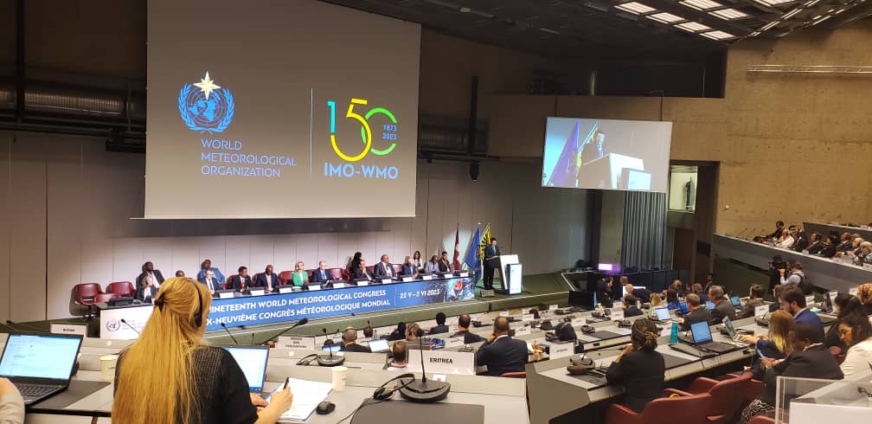
The minister told participants at the World Meteorological Organization's 19th congress in Geneva that GMet uses a USSD Code as part of the GMES and Africa Project for marine and ocean forecasting, which provides three (3) days sea forecast for artisanal fisheries, upstream, marine transport, and hospitality sectors, among others.
“Ghana is also using Impact-based Forecast (IBF) now, providing updates on the likelihood and impact of extreme weather expected over specific areas to inform planning and support decision-making especially for vulnerable communities.”
Latest Stories
-
Mahama to oversee handover of right-of-way clearance for Accra-Kumasi Expressway
7 minutes -
Moroccan teenager joins 1,000 young people for IFY 2026 Children’s Programme in Russia
9 minutes -
ISS cooperation offers lessons for resolving conflicts on earth – Russian cosmonaut
17 minutes -
Laboma demolition: 48 Engineer Regiment denies claims of no prior notice
24 minutes -
Photos: Young Africans join global delegates in Russia for 2026 IYF
26 minutes -
100 young journalists lead coverage of International Festival of Youth in Russia
27 minutes -
Business owners, residents pack up belongings amid demolition at Laboma
29 minutes -
US Rep. Tom Tiffany says he sustained minor injuries after plane makes emergency landing
33 minutes -
Ebola infections top 7,000 in Democratic Republic of Congo, government data show
33 minutes -
Critics celebrate Céline Dion’s ‘high-stakes’ comeback show in Paris
33 minutes -
New report of attack on Strait of Hormuz shipping fans fears of threats to oil supplies
34 minutes -
African delegates join IFY 2026 clean-up, collect 22 cubic metres of waste from Russian lake
36 minutes -
48 Regiment Engineers leads demolition exercise at Laboma Beach resort
51 minutes -
Laboma demolition: Laboma Director calls for halt, says over 3,000 workers at risk
52 minutes -
CIMA President Alfred Ramosedi to engage Ghana’s finance, business leaders
2 hours