


Audio By Carbonatix
In a recent report, the Institute of Statistical, Social, and Economic Research (ISSER) has called for increased investment in women's political campaigning as a crucial step towards achieving gender equality in Ghana.
The report highlights the need for targeted efforts to address the gender disparities in political empowerment, educational attainment, health, and the economy.
According to the Gender Performance in Educational Attainment Subindex, Ghana has made progress in narrowing the gender gap in access to education over the years.
However, the increase in gender parity has been slow, with only marginal improvements. The report suggests that several factors contribute to this observed trend and emphasises the need to focus on educational outcomes beyond just access and enrollment.
In the Health and Survival Subindex, Ghana has experienced stagnation in gender parity, particularly in the last three years.
The country has made significant strides in improving maternal and child health through free maternal NHIS services. Nevertheless, the report points out that a biased focus solely on women's reproductive health hinders the measurement and response to other critical gender health gaps in Ghana.
Political empowerment remains the least advanced among the fundamental subindexes in Ghana, as highlighted by the Gender Performance in Political Empowerment Subindex.
The report emphasises the challenges in prioritising gender interests in public decision-making and provides recommendations to decrease gender disparity in politics.
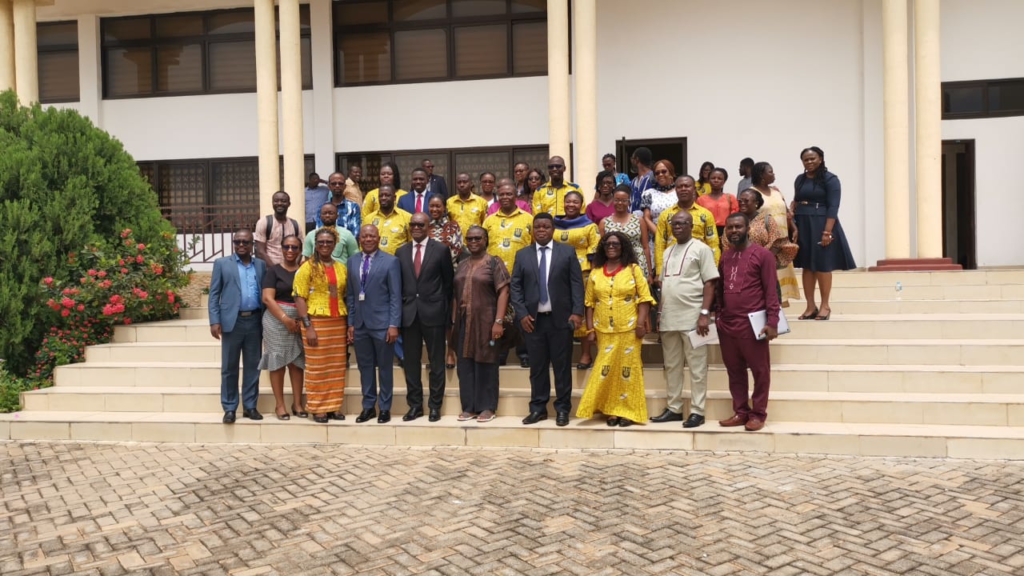
ISSER stresses the urgent need to invest in women's political campaigning to foster gender equality in the political sphere.
In the economic sector, the report calls for the collection of gender-disaggregated data to establish a baseline for analysing gender disparities in the informal economy. This data will provide a starting point for addressing the structural disadvantages faced by women in economic activities.
To achieve comprehensive gender equality, the report highlights the importance of gender-disaggregated data across all sectors, including healthcare. It calls for data that reflects gender differences in healthcare patterns, types of medical services used, and the impact of treatments.
International research supports the existence of gender disparities in health, further highlighting the need for gender-specific data collection.
Further, the ISSER's report urges Ghana to prioritise gender equality through groundbreaking empowerment strategies, including increased investment in women's political campaigning.
The call for investment aims to address the gender disparities that persist in various aspects of Ghanaian society and create a more inclusive and equitable future for all.
Latest Stories
-
NPP to hold balloting for national elections on September 9
4 minutes -
DirectAid concludes flood relief distribution across Greater Accra, Kasoa
51 minutes -
Volcano eruption leaves 150,000 passengers stranded in Indonesia
53 minutes -
Black Princesses Coach Charles Sampson confident ahead of World Cup opener against Ecuador
2 hours -
TV presenter among 12 sentenced to death in Egypt drugs case
3 hours -
Accra Airport VIP Lounge project to be completed this year without taxpayer funds – Ablakwa
3 hours -
NPP clears all 47 aspirants for 2026 national officers’ election
3 hours -
Domelevo backs OSP probe into GH¢70k allegation
4 hours -
CAF Confederation Cup: Dennis Korsah confident Nations FC can overturn Mali defeat
4 hours -
Chief Justice should stop commenting on some political issues – Domelevo
5 hours -
‘I don’t trust OSP’ to probe GH¢70k ‘bribe’ allegation – Kwasi Kwarteng
5 hours -
Road inspections not to witch-hunt contractors – Kwame Agbodza
6 hours -
Inter Milan mount stunning comeback to beat Napoli
6 hours -
Modric plans to play for Croatia past 41st birthday
6 hours -
Bayern fail to score for first time in 59 games
6 hours