

Audio By Carbonatix
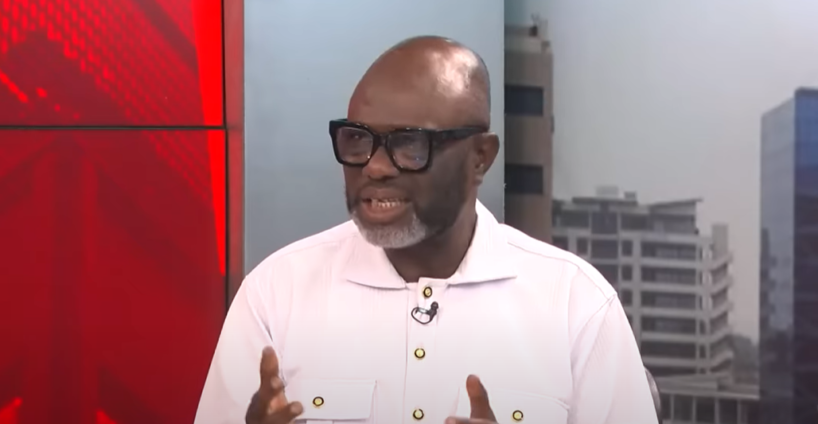
The President of the Ghana Union of Traders Association (GUTA), Dr. Joseph Obeng, says the government’s proposed import restriction bill is not backed by data.
The Trade Minister, K.T. Hammond is set to lay a legislative instrument before Parliament this week seeking to restrict the importation of certain products into the country.
These include, rice, poultry, animal and vegetable oil, margarine, fruit juices, soft drink, mosquito coil and insecticide, soaps and detergents, fish, clothing and apparel and cement.
However, commenting on the bill on Joy FM’s Super Morning Show, the GUTA President explained that the Minister has failed to provide data to buttress his proposition.
He explained that previous import restrictions on products like poultry had failed to live up to expectation, taking into consideration the fact that Ghana’s supply of poultry is currently 90% imported.
“We don’t even have any good reference with it because as I’m speaking there’s still restriction on poultry products but what do we see? We don’t have anything to show that this is a good reference point. We still have a shortfall of about 90% of the demand of consumption and so what do we have to show?” he said.
He noted that there have been no provisions also in the L.I. to cater for monopoly-related abuses.
He said the import restrictions bill should it be passed would be subjected to abuses and the L.I. in its current form does not safeguard against that.
Dr. Obeng further noted that without data backing the bill and measures put in place to ensure that local industries are up to the task to meet demand, the restriction will prove counterproductive.
“And then there’s also no data. It is not backed by data. When you say that you’re restricting imports, what you’re saying is that they’re telling you to reduce the import that you do and look from within what we produce and buy from it.
“And we haven’t done anything to show us that we can be able to get that shortfall from within and that’s what we’re talking about, that we cannot do the restriction thing in isolation.
“You’ll have to do it side by side with your programmes and measures, your timelines that will show that you’re serious about shoring up the local production so that we will be able to continue with our businesses,” he said.
Latest Stories
-
Ghana Reference Rate drops to 10.18% in September, could ease borrowing costs
4 minutes -
Chief Imam backs optional Arabic in public schools
21 minutes -
Mahama lauds Dr Kwame Nkrumah’s pioneering role towards NAM formation
29 minutes -
UK pledges additional £50 million to help contain Ebola outbreak in Congo
37 minutes -
Oil prices extend gains as US and Iran trade fresh strikes
46 minutes -
Dropbox says about 5,000 accounts compromised in August hack
54 minutes -
Could Tupac verdict inspire new efforts to find killer of his rival the Notorious B.I.G.?
1 hour -
District Assembly elections set to become major flashpoint in constitution review
1 hour -
NPP warns government against taking control of constitutional referendum campaign
1 hour -
NPP set to challenge government’s position on constitutional reforms
2 hours -
Algeria president seeks death penalty for arsonists after deadly forest fires
2 hours -
‘I have fired 40 of my agents for being corrupt’, says Nigeria’s anti-corruption chief
2 hours -
Urine test can spot more than nine in 10 bladder cancers
2 hours -
Iran retaliates after US strikes kill four at wedding party, state media reports
3 hours -
Germany says Russia behind Leipzig airport drone attack
3 hours