

Audio By Carbonatix
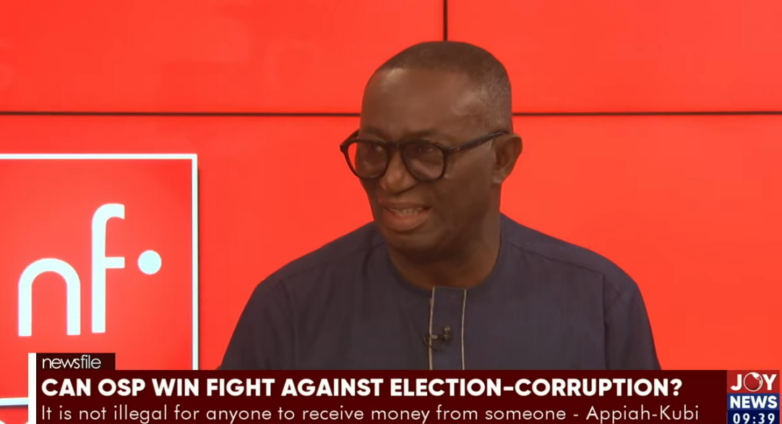
Member of Parliament for Asante-Akim North, Andy Appiah-Kubi, raised concerns about a growing trend where government appointees are allegedly employing undisciplined means to oust MPs with whom they are supposed to collaborate.
Mr Appiah-Kubi emphasised the collaborative nature that should exist between MPs and executives, noting that the distribution of appointments, including the selection of CEOs, is meant to facilitate cooperation for the equitable distribution of power.
This comes in the wake of the arrest and subsequent release of National Entrepreneurship and Innovation Programme (NEIP) Chief Executive, Kofi Ofosu Nkansah over accusations of using public funds to fund personal parliamentary aspirations.
Speaking on JoyNews’s Newsfile, the Asante-Akim North MP expressed worry that in some cases, appointees, particularly CEOs, have become more resourceful than MPs while having fewer responsibilities.
According to the Subsidiary Legislation Committee member, some CEOs have access to resources that they use to benefit constituents, bypassing MPs in the process directly.
He suggested that these appointees may attempt to replace MPs, leveraging opportunities to rally support and convey to constituents that the MPs are ineffective in serving their interests.
“They [CEOs] meet [during] monthly meetings, so they become very close friends. So that CEO from your constituency will also nominate somebody to his friend [for example], Scholarship Secretariat CEO who is meeting him every month and then they will put in Asante Akim North ‘Kwasi Mensah’.
"Meanwhile, the MP doesn't know ‘Kwasi Mensah’, it is his friend, another CEO who has brought ‘Kwasi Mensah’… The CEO will come back and tell the constituents that Appiah-Kubi who is your MP cannot do this. I, who is the CEO, have done this and therefore I will serve you better than if I was selected," he said.
This practice, he argued, has the potential to create friction within political parties, especially during internal elections.
The MP warned that if not addressed, such conflicts could become perpetual and hinder the effective functioning of political parties and governance.
"I see this whole indiscipline is within the government and within the parties. We must tackle it. Otherwise, there will be perpetual conflict every year, every year when we have elections," he added.
Latest Stories
-
China probes use of formaldehyde to keep cabbages fresh
1 hour -
Veteran Nollywood actor Taiwo Hassan ‘Ogogo’ dies at 65
2 hours -
SYPALA 2026 opens at UPSA, puts Africa’s economic future under the spotlight
2 hours -
Man City agree deal for Palmeiras winger Allan
2 hours -
New Zealand to introduce bill for under-16s social media ban
2 hours -
GoldBod rejects funding crisis claims, says gold purchases remain on course
2 hours -
I await courage from accusers to report ‘extortion’ claims – Afenyo-Markin
2 hours -
Prince Harry steps down from African wildlife charity board
2 hours -
I’ll submit myself to any investigation to clear my name – Afenyo-Markin on ‘extortion’ allegation
2 hours -
NAIMOS arrests 3, destroys 86 Chanfang machines in Ablebo galamsey sweep
2 hours -
Galamsey: Ghana’s rivers cannot afford another failed experiment – Akwasi Konadu
3 hours -
Blue Water Guards programme failing in fight against galamsey – Manhyia North MP
3 hours -
Policy indiscipline, incompetence stifling Africa’s growth — IMANI boss
3 hours -
We will vet Mahama Ayariga fearlessly – Minority Leader
3 hours -
Afenyo-Markin sues Sammy Gyamfi and others over alleged extortion claims
3 hours