

Audio By Carbonatix
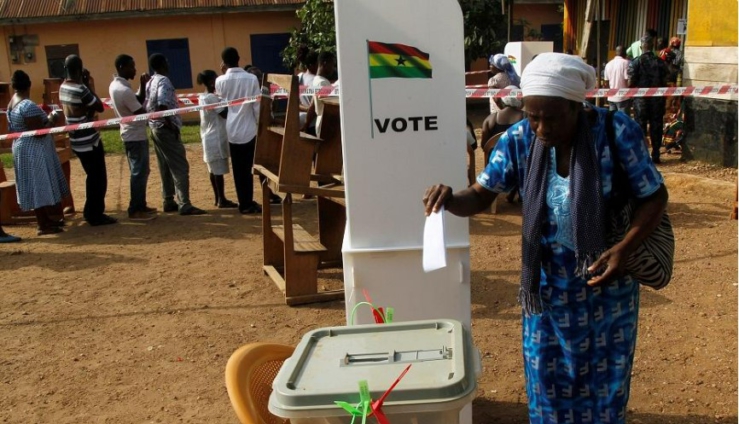
Ghana’s 2024 election risks being the point of downturn to its democracy as disagreements over electoral processes, ethno-religious factors and allegations of abuse of power pose significant threats and vulnerabilities to the country’s democratic stability.
This is according to the West Africa Early Warning Outlook 2024 report by the West Africa Network for Peacebuilding (WANEP).
According to the report, these concerns are driven by prolonged tensions and occasional violence during its electoral periods.
For instance, the 2020 elections saw several violent incidents, leading to five fatalities, which included both civilians and security personnel. These incidents occurred in the Odododiodoo, Savelegu, and Tachiman South constituencies.
It is important to highlight that the rise in impunity among political figures, coupled with delays in the justice system in addressing complaints and election-related crimes are major fuels to electoral violence. This could lead affected individuals to resort to extra-legal or unlawful methods to seek retribution.
The report indicated that tensions and disputes are escalating among stakeholders, particularly within the NDC, regarding the removal of former Commissioners from the Electoral Commission (EC) due to allegations of misconduct under Article 146 of the Constitution.
Additionally, concerns have arisen over the NDC's refusal to engage in the Inter-Political Party Advisory Committee (IPAC) and the EC's choice to exclusively employ the Identity Card for the new voter registration process.
The report emphasised that the waning trust and confidence of the NDC and a section of civil society in the neutrality of the current leadership of the Electoral Commission (EC) could be detrimental to the 2024 electoral process.
Since transitioning to constitutional governance in 1992, Ghana has successfully conducted eight elections.
These electoral processes have facilitated three peaceful transfers of power between the main political players, the New Patriotic Party (NPP) in power and the leading opposition party, the National Democratic Congress (NDC).
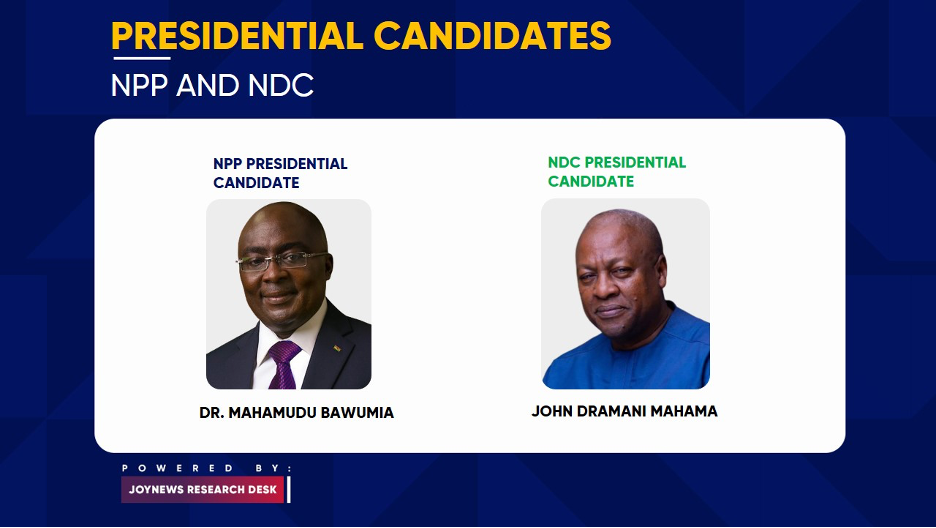
In a significant departure from Ghana's political history, both the presidential contenders from the major parties, namely Dr Mahamudu Bawumia of the NPP, the incumbent Vice President, and John Mahama of the NDC, a former President, hail from the northern region of Ghana.
What's notable is that they represent the two dominant religions in the country, with John Mahama being a Christian and Mahamudu Bawumia a Muslim.
These circumstances present a crucial test for Ghana's religious and ethnic tolerance, which plays a pivotal role in maintaining political stability in the lead-up to the elections.
Latest Stories
-
Postponement not an option as Kenya races to be ready for Afcon 2027
1 hour -
ICE agent shoots and wounds man in Texas as locals demand answers
1 hour -
Ed Sheeran admits ‘mistakes’ at first show since Macklemore controversy
2 hours -
I’ll never discuss my finances with man, even if he’s my husband – Nancy Isime
3 hours -
Wizkid, Wande Coal advised me on how to leave school for music – Davido
3 hours -
Senegal job an ‘absolute dream’ for new boss Vieira
3 hours -
Harry and Meghan’s media treatment echoes what happened to Diana, Earl Spencer tells BBC
4 hours -
Nvidia boss rejects AI extinction fears as ‘doomsday narratives’
4 hours -
Workers came across human remains – and unearthed a mass grave of 572 people
4 hours -
Each Jehovah’s Witness member now decides whether to accept or donate main blood components
4 hours -
Trump says US will form ‘AI Force’ and appoint an artificial intelligence tsar
4 hours -
Google’s Gemini AI hacked three companies in security test
4 hours -
Converse pulls ‘deeply upsetting’ advert after backlash
5 hours -
Warren Buffett steps down after six decades at Berkshire – ‘Father Time always wins’
5 hours -
Billionaire Man United owner says he has lost confidence in the UK
5 hours