

Audio By Carbonatix
The African Development Bank (AfDB) is warning about the higher level of debt that African countries are carrying even before the onset of the Covid-19 pandemic, when the debt stood at 61% of Gross Domestic Product.
25 African countries are already carrying excess debt or have a high risk of doing so.
According to the Bank Group, the structure of African debt has changed considerably. Bilateral debt now represents 27% versus 52% in 2000, whereas commercial debt accounts for 43% of total debt up from 20% in 2000.
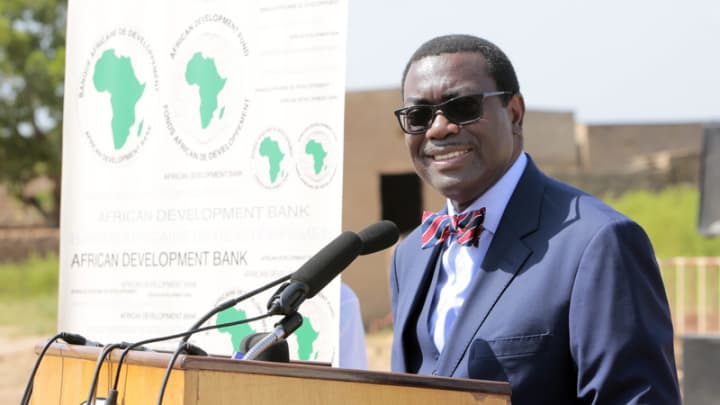
“A multilateral approach demands that we understand the nature of the debt itself, what is changing and how we can respond to it,” said President of the African Development Bank Group, Akinwumi Adesina, at the Doha Forum in December 2023, on the theme of: “Decoding the Debt Dilemma—Unveiling Multilateral Solutions”.
“The expansion and fragmentation of the creditor base has complicated debt settlement by the Bretton Woods institutions,” explained President Adesina with concern.
The AfDB pointed out that one of the difficulties of debt resolution is the extreme length of time it takes.
Of the four African countries – Chad, Ethiopia, Zambia and Ghana – that have applied for debt treatment under the G20 Common Framework, only Zambia has completed the process enabling it to benefit from the facility in 2023.
“Reforming the global architecture of the financial system and debt to reduce costs, time frames and the legal complications of restructuring African countries’ debts is a matter of urgency,” insisted Mr Adesina at the Bank’s 2023 Annual Meetings in Sharm El-Sheikh, Egypt.
He urged African countries to avoid high costs and limit the possibility of a new debt crisis, and to push for increased transparency and global coordination between creditors.
Risk
The other debt-related problem lies in the “Africa premium” that countries on the continent must pay when they access capital markets, despite data showing that default rates in Africa are lower than in other parts of the world.
A Moody's analysis of the default rates for global infrastructure shows, for example, that Africa ranks higher, at 5.5%, than Asia, at 8.5% and Latin America, at 13%.
Yet the perception of risk in Africa, reflected by the global ratings institutions, results in an often unjustified increase in borrowing costs for African countries.
Latest Stories
-
Fuel prices set to rise again from Sept 1; petrol could hit GH¢16.21 – COPEC
1 hour -
REGSEC restricts Akwasidae celebrations in Denkyira amid security concerns
1 hour -
Eric Adjei distributes free fertiliser to farmers in Jaman North
1 hour -
Akufo-Addo urges NPP factions to unite behind Bawumia for 2028 victory
2 hours -
NDC mourns Western Regional Elections Director Papa Assan
2 hours -
Minerals Commission warns against fake job recruitment schemes
2 hours -
10 recruits dismissed for defying phone ban – Interior Minister
2 hours -
IEAG commends GoldBod, BoG for improving forex stability
2 hours -
Bawumia donates GH¢50,000 to St Jude Catholic Church at Weija
2 hours -
Mahama calls for faster mobilisation of AU Peace Fund resources
2 hours -
Improved roads bring new vehicle options to Tumu-Bolga, Tumu-Tamale, Tumu-Wa routes
2 hours -
Cedi records 7.9% depreciation against US dollar in first half of 2026
3 hours -
GIS launches operation on anti-human trafficking and exploitative street begging
3 hours -
Awutu-Senya District Assembly organises clean-up ahead of Awubia Festival
3 hours -
Vice President Opoku-Agyemang receives Democracy Cup
3 hours