

Audio By Carbonatix
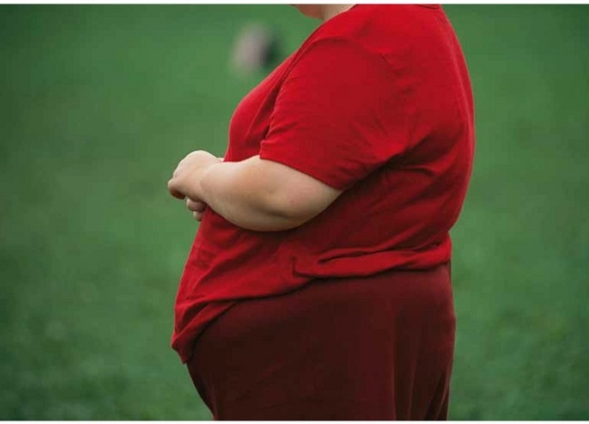
Medical experts have raised critical concerns about how society is increasingly contributing to a rise in obesity cases in Ghana.
In the nineties (90s), 10% of children were obese, but that number has doubled currently to 20%, a significant rise over the years, deemed a huge problem in the country.
They point to criticisms against others who lose weight, saying the attitude has made it difficult to curb the challenge, as victims fear being tagged with negative perceptions.
The idea of weight loss scares the majority of Ghanaians, especially females, and every society has a perception about certain things and will always have their opinion about things they think are unusual to them.
This makes most people afraid to inculcate daily habits that could help them lose weight to avoid questions about whether they are sick or ignoring their health.
Specialist Family Physician at CREATE Ghana, Dr. Nana A. Konadu Darko, said on Joy Prime’s Prime Morning show that it is gradually becoming a huge problem because some people would prefer to add on weight even though they may be naturally thin.
“Our society in terms of our values, food, and sometimes individuals. When you put on weight, people say you’re looking nice; you’re looking good, and everything is okay. But when you start losing weight, they ask questions like, are you sick? Is something wrong? Are you worried? While you may have noticed that it’s not good for your health so you’re trying to do something about it.
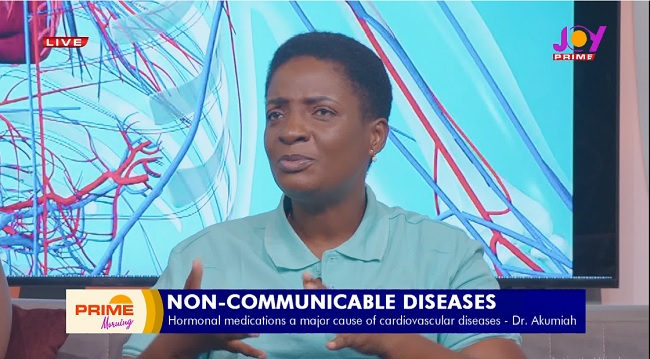
“I know people who have lost so much weight in the hospital and they come and they’re like their relatives, husbands, and wives are like, do they have HIV? Is there something they should know? Whilst it’s nothing except they‘re just trying to lose their weight.”
Some people have a predisposition to having more weight, particularly in families, but Dr. Darko said it does not make it right, although it could be genetic.
She said that “It’s not about getting to the ideal weight tomorrow. It’s about having that thought at the back of your mind that my choices will impact my body and what happens to it.”
The physician cited some daily human activities that complement obesity: sitting at home with children for longer hours to watch devices; not much physical education (PE) in schools these days; and sitting down at the workplace for six hours straight (a health risk).
Other factors that predispose one to obesity include unhealthy eating, lack of exercise, excessive stress, certain mental health disorders, and hormonal conditions such as hypothyroidism.
Latest Stories
-
Tamale Metropolitan Assembly distributes 10,000 bags of fertiliser to farmers
3 minutes -
TUSAAG suspends strike, resumes work after renewed talks with government
7 minutes -
PIAC marks 15 years of oil revenue accountability and transparency
14 minutes -
Adongo calls for non-political interference in $1.46bn Heritage Fund review
19 minutes -
FDA records GH¢70m surplus in 2025 amid concerns over ageing lab equipment
21 minutes -
Arise Ghana demands stronger commitment to end galamsey
23 minutes -
96% of Ghanaian pensioners willing to work beyond retirement age – Study
26 minutes -
Ghana gets nuclear power plant simulator
32 minutes -
Temporary Akosombo power control facility to be ready by September – Energy Ministry
33 minutes -
GMTF, Atlantic Lifesciences explore local production of cancer and heart medicines
37 minutes -
GHS medical-legal claims hit GH¢400m in three years
43 minutes -
Mahama cautions Ghanaians not to take religious freedom for granted
59 minutes -
We need development pathway, not selection exercise – Sports Minister urges football stakeholders
1 hour -
Government prioritises foundational learning to improve education outcomes
1 hour -
Ghana, Côte d’Ivoire deepen maritime security cooperation through joint boundary inspection
1 hour