

Audio By Carbonatix
The Bank of Ghana (BoG), has for the third consecutive time, kept the country’s Monetary Policy Rate (MPR), at 29 per cent, citing the risk of inflation.
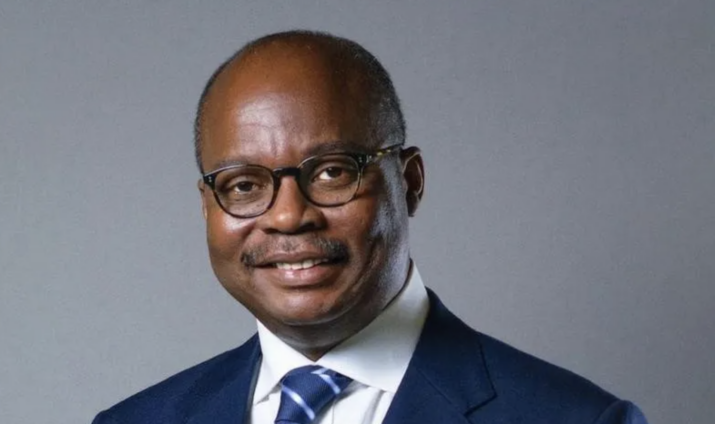
Dr Ernest Addison, Governor of the Central Bank, announced the rate at a press briefing in Accra on Friday after the end of the Monetary Policy Committee (MPC) meeting.
He explained that though inflation was expected to remain within the target year band of 15 per cent, risks were tilted slightly on the upside, with some uncertainty regarding the inflation path for the year.
That, the Central Bank Governor, said was due to the recent exchange rate pressures, upward adjustment in utility tariffs and increases in ex-pump fuel prices.
“This will require maintaining the strong monetary policy stance supported by strong fiscal consolidation efforts including remaining vigilant to ensure that the end-year inflation objectives are achieved,” he said.
Read also: Consumer, business confidence softens, but economic activity surges – BoG
The Monetary Policy Rate is used by the Bank of Ghana to influence short-term interest rates and control the supply of money in the economy.
While private sector credit extension steadily improved in the first half of the year, Interest rate trends were broadly mixed at the short-end of the market, the Governor said.
On the performance of the economy, he stated that provisional Gross Domestic Product (GDP) growth pointed to a strong growth recovery, with a 4.7 per cent in the first quarter of 2024, compared with the 3.1 per cent recorded in the same period of 2023.
He stated that the real Composite Index of Economic Activity (CIEA) annual growth of 3.3 per cent in May 2024, was an improvement over the 3.7 per cent contraction in May 2023.
“The key drivers of the growth in the CIEA were private sector contribution to SSNIT, imports, cement sales, exports, domestic VAT, and tourist arrivals,” Dr Addison said.
In the banking sector, there was an indication of continued recovery from the impact of the Domestic Debt Exchange Programme (DDEP) in the first half of the year, he said.
Total banking sector assets grew by 33.3 per cent to GH¢323.1 billion at end-June 2024, relative to 21.2 per cent growth at end-June 2023, with profitability, liquidity, and efficiency indicators also improving over the period, he noted.
Latest Stories
-
Trump administration accuses banned media outlets of ‘falsehoods’ ahead of court hearing
16 minutes -
US and Iran hold first talks since June after Trump’s ‘annihilation’ threat at UN
17 minutes -
More than 170,000 respiratory cases recorded in haze-choked Indonesia
22 minutes -
UK to review Chagos Islands deal over lack of US support, Streeting tells BBC
27 minutes -
BoG weighs on rising inflation risks as inflation climbs to 5%
29 minutes -
AFCON 2027Q: Kurt Okraku backs ‘good enough’ Black Stars to fight for Ghana
38 minutes -
Debt financing, expenditure are key risks to liquidity, exchange rate – BoG
41 minutes -
BoG warns of pressure on reserves as GoldBod pauses exports
47 minutes -
No player will intentionally decline national team call-up – Kurt Okraku
55 minutes -
AFCON 2027Q: ‘No player deliberately turned down Ghana’ – Kurt defends injury withdrawals
1 hour -
The Luckiest launches 4th edition of annual promotion with nationwide activations
2 hours -
Ecobank calls for wider access and stronger collaboration on agricultural finance
2 hours -
Agribusinesses need more than loans to reach their full potential – Ecobank
2 hours -
Green finance must deliver measurable benefits to Ghanaian farmers – Ecobank
2 hours -
Today’s front pages: Wednesday, September 23, 2026
3 hours