

Audio By Carbonatix
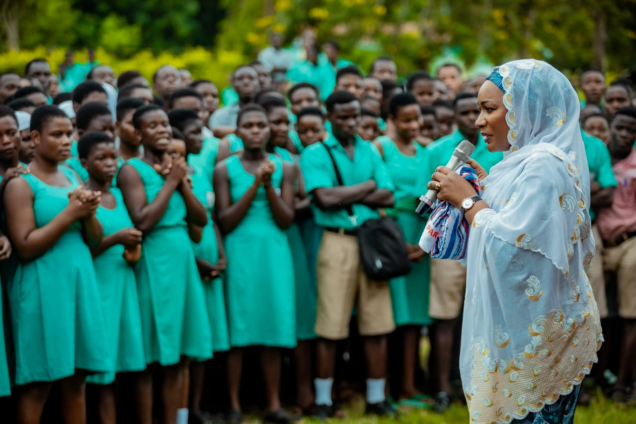
As we look to the future, the profound impact of Ghana's Free SHS policy in economically deprived regions, such as Oti, is a beacon of hope and progress. Accompanying the wife of the Vice President, Samira Bawumia, on her recent tour through Oti's nine constituencies - Jasikan, Kadjebi, Nkwanta North, Nkwanta South, Krachi East, Krachi Nchumuru, Krachi West, Biakoye, and Guan - it became clear to me that the policy is not only changing individual lives but also reshaping the entire socio-economic landscape of these areas.
The sight of so many girls in senior secondary and technical schools is a testament to the policy’s success. In communities where educational opportunities were once scarce, young women now have the chance to pursue their dreams and build a better future.
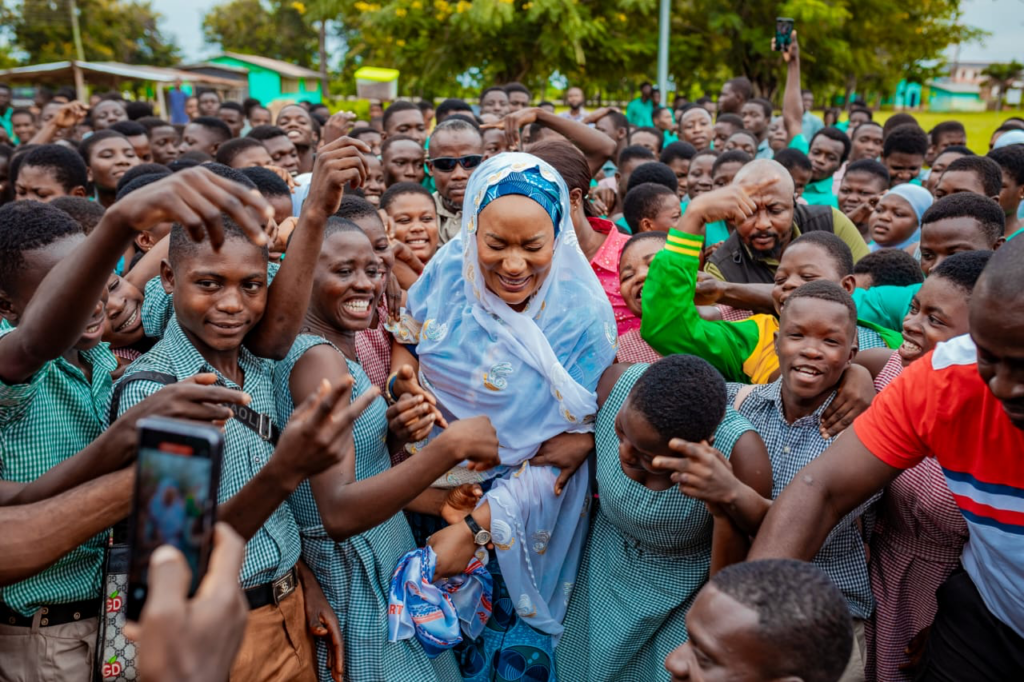
This shift is crucial for the region’s development, as educated girls are less likely to face teenage pregnancies, forced marriages, abuse, and abandoned dreams. They are more likely to enter the formal sector, drive economic growth, and lead change within their communities.
The ripple effects of this educational revolution are already being felt. Families are seeing the long-term benefits of keeping their daughters in school, and communities are witnessing a gradual transformation.
As more girls receive education, the cycle of poverty that has plagued these regions for generations is breaking. These young women are not just students; they are future leaders, entrepreneurs, and innovators who will contribute to the economic growth and stability of their communities.
The economic potential unlocked by educating girls is immense. As they enter the workforce, these young women will bring fresh perspectives and skills, fostering innovation and driving sustainable development. Their participation in the formal sector will lead to increased household incomes, improved health outcomes, and greater overall well-being for their families and communities.
Looking ahead, the future of Oti and similar regions is brighter than ever. The Free SHS policy has laid a strong foundation for continuous progress. To sustain this momentum, it is essential to invest further in educational infrastructure, provide adequate resources, and support programs that encourage girls to pursue higher education and vocational training.
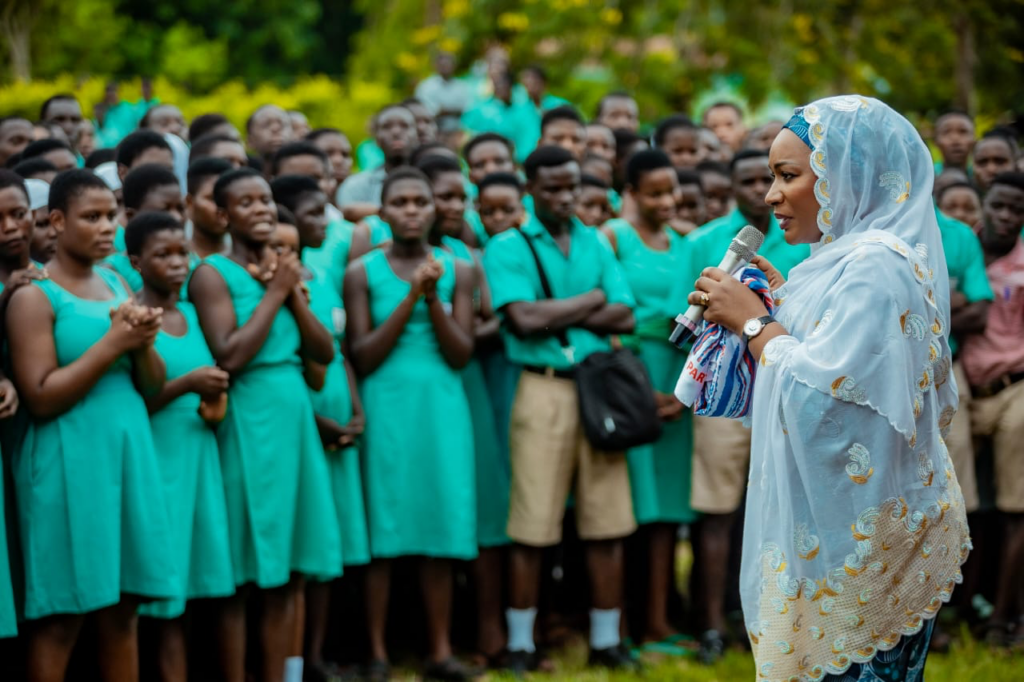
The Free SHS policy is more than an educational initiative; it is a catalyst for comprehensive socio-economic development. By empowering young women through education, Ghana is paving the way for a future where every child, regardless of their economic background, has the opportunity to succeed and contribute to the nation’s prosperity.
The journey ahead is filled with promise, and the next generation of educated, empowered women will lead the charge towards a more equitable and flourishing Ghana.
Latest Stories
-
Sammy Gyamfi didn’t say BoG has ceded its forex role to us – GoldBod
47 minutes -
High Court sets November 4 for ruling on Wontumi’s bail application
1 hour -
Tetteh Kwetey files nomination for NDC Greater Accra Regional Chairmanship
1 hour -
Korle Bu appeals for more doctors, nurses as A&E Centre struggles under pressure
1 hour -
AFCON 2027Q: ‘I’m optimistic Black Stars can turn things around’ – Agyemang-Badu
1 hour -
Digital innovation could widen Africa’s inequalities if people are left out – Sam Jonah
1 hour -
Galamsey is an economic, health and moral problem – Sam Jonah
1 hour -
Africa must create AI technology instead of paying to use it – Sam Jonah
2 hours -
2026 U-17 WWC: Black Maidens to face Norway, Brazil and Canada in Group C
2 hours -
Agbodza, Sam George move to curb fibre optic cable cuts during road works
2 hours -
2026 U-17 WWC: Black Maidens unveil 21-player squad for competition in Morocco
2 hours -
South Africa evacuation and the minority’s half-truth
2 hours -
‘You never know tomorrow’ – Anthony Baffoe on contesting for GFA Presidency
2 hours -
Obuasi SHTS head accused of sexually abusing students is NDC Juaben secretary seeking chairmanship
2 hours -
Cedi depreciates by 7.11% against dollar in August 2026 – BoG report
2 hours