

Audio By Carbonatix
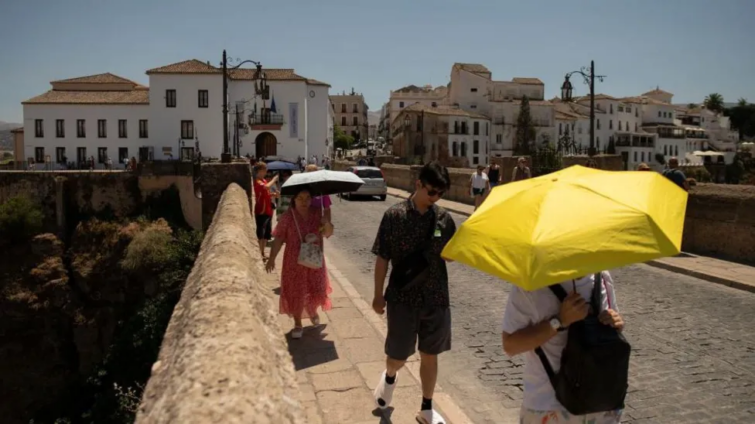
Summer 2024 was the Earth's warmest on record, according to the Copernicus Climate Change Service.
It was also the warmest across Europe at 1.54C above the 1991-2020 long-term average, exceeding the previous record from 2022.
August was also the 13th month in a 14-month period where the global average temperature exceeded 1.5C above pre-industrial levels.
Despite the UK having its coolest summer since 2015, much of Europe experienced a hotter-than-average summer.
Temperatures continue to rise
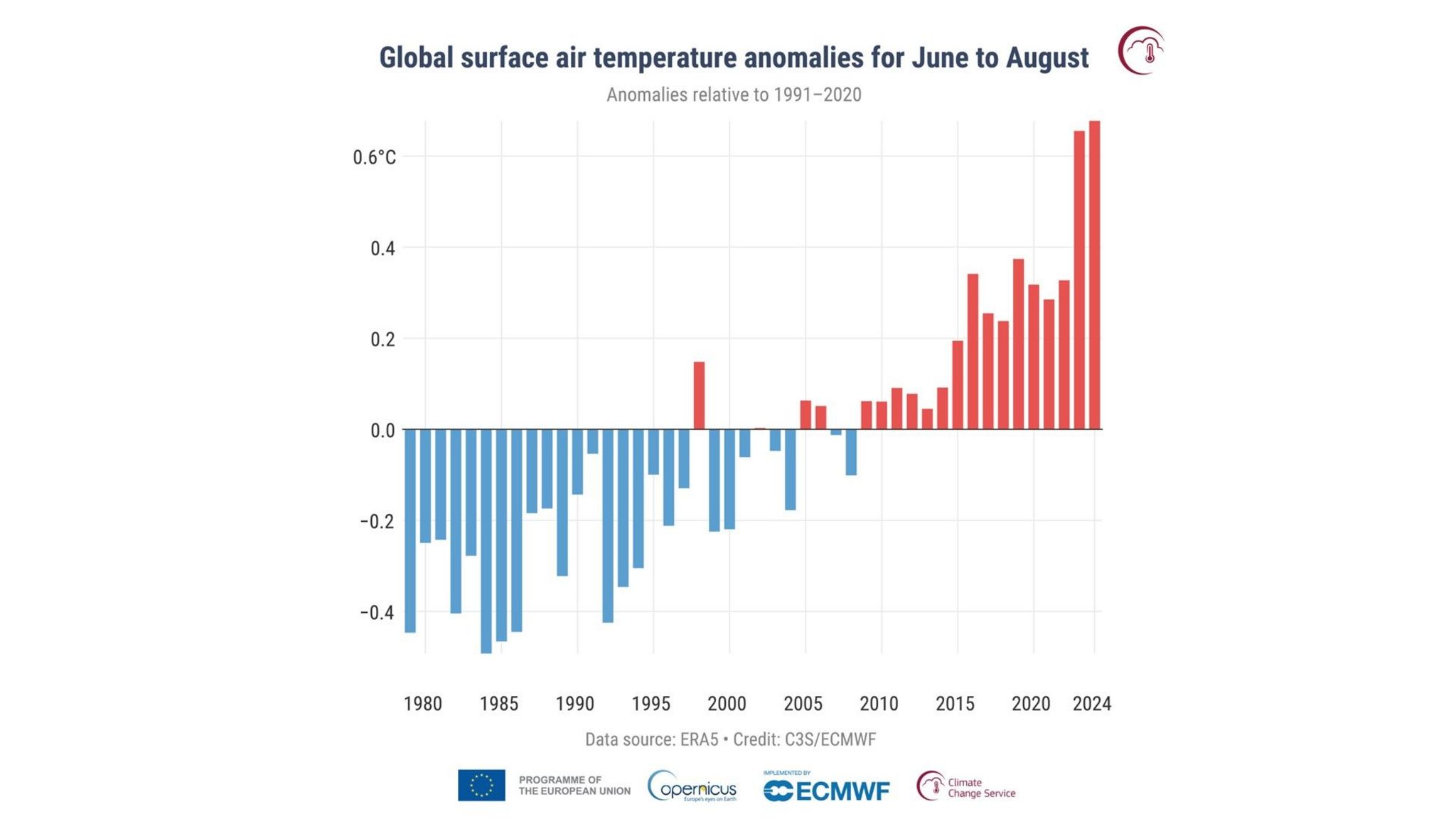
So far this year the global average temperature has been 0.7C above the 1991-2020 average, which is the highest on record.
It is therefore increasingly likely that 2024 will be the warmest year on record globally, according to Copernicus, external, the EU's climate service.
It was only last year when global average temperatures reached a record high.
Throughout the world, we have seen heatwaves and extreme weather having impacts.
Copernicus deputy director Samantha Burgess said: "Temperature-related extreme events witnessed this summer will only become more intense".
Across Europe, temperature records have been broken over the summer. Austria had their warmest on record.
Spain had its warmest August on record, Finland its joint warmest and Switzerland's second warmest.
While the heat across Europe was focused to southern and eastern areas, it was cooler across the Republic of Ireland, the UK, western parts of Portugal, Iceland and southern Norway.
End of El Niño warming
While human activities have been the most significant cause of global temperature rise, the record heat in 2023 and into 2024 has been boosted by the natural climate pattern of El Niño.
El Niño - a natural warming of sea surface temperatures in the eastern Pacific - was observed from June 2023 to May 2024.
During this time, higher sea surface temperatures added more heat to the atmosphere.
While it has now ended, its part in boosting global temperature will influence 2024 overall.
Scientists at the Australian Bureau of Meteorology believe the Pacific will enter the cooler phase of La Niña in the coming months.
Latest Stories
-
Nii Armah Ashitey enters NDC National Chairmanship race
30 seconds -
Ghana prepares to reopen diplomatic mission in Ireland
6 minutes -
Mahama woos US investors for Ghana’s power, technology and industrial sectors
6 minutes -
New College of Education in Tuobodom to end teacher training struggles in Bono East – Regional Minister
12 minutes -
Education Ministry proposes 2% GETFund emergency fund for crisis-affected schools
12 minutes -
BoG to intensify public education on authenticating new Heritage Series banknotes
24 minutes -
NAIMOS arrests 12 illegal miners in Osino; destroy mining equipment
30 minutes -
Ghana to retain cotton banknotes under new Heritage Series – BoG
32 minutes -
Lebanese Community awards scholarships to eight Ghana School of Law students
35 minutes -
NPP’s path to victory lies in unity – Boakye Antwi
39 minutes -
Divers recover a total of 52 bodies from capsized ferry in Indonesia after a dayslong search
50 minutes -
UNESCO urges Ghanaian journalists to mine archives for richer reporting
50 minutes -
Educational accountants hold workshop on financial discipline to avert PAC sanctions
55 minutes -
Devtraco Group launches Lotus residential development
1 hour -
3rd JoyNews-Republic Bank Habitat Clinic kicks off at Junction Mall, Nungua
1 hour