

Audio By Carbonatix
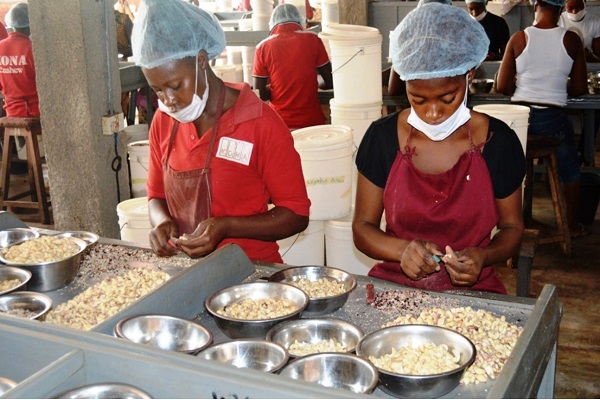
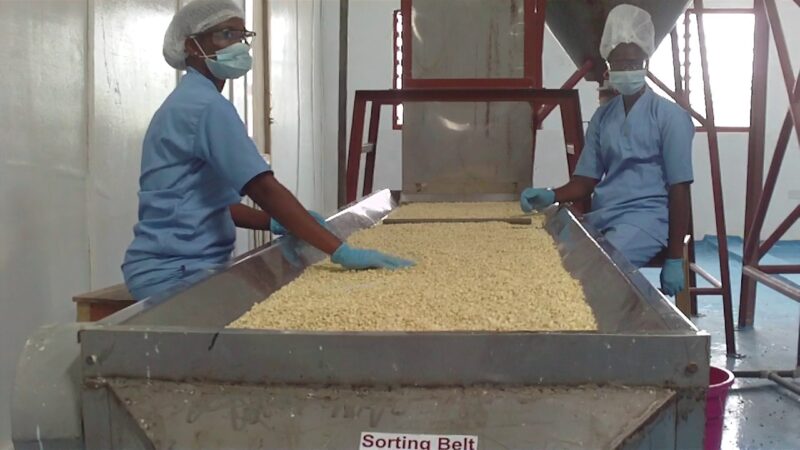
A merchant of Raw Cashew Nuts (RCN) operating in the Tain District of the Bono region, Solomon Ameyaw, has observed that for the private sector to be the engine of growth, intermediary organisations, such as trade and business associations (TBAs), should act as the voice of the industry.
He stressed that private businesses must organise themselves into powerful associations that will effectively use advocacy to articulate their concerns.
He noted this draws the attention of policymakers at the national, regional and district levels.
"They can advise the government on adopting prudent economic policies to create the appropriate environment for private sector growth and development.
The TBAs should strengthen the capacity of the private sector, determine policy and the allocation of resources," Mr Ameyaw suggested.
He was commenting on promoting business associations in Ghana in an interview with JoyNews at his RCN warehouse in Seikwa in the Tain District of the Bon region.
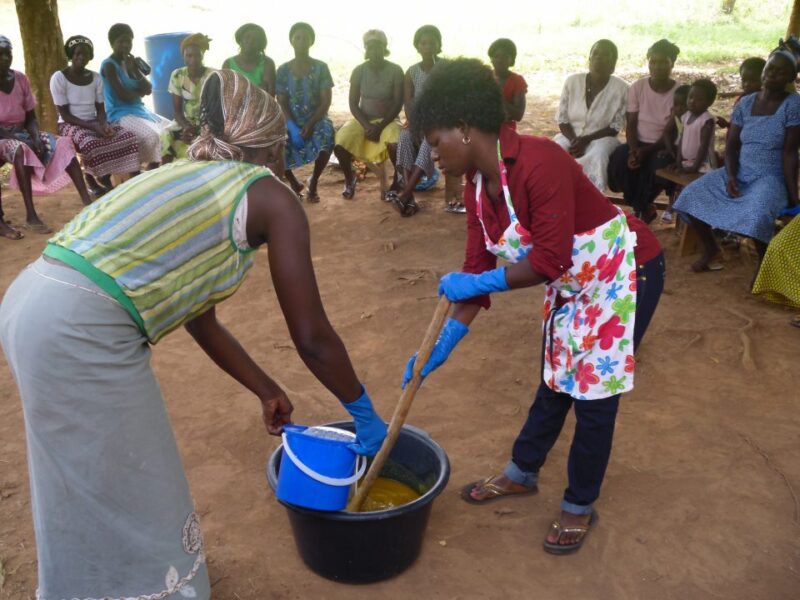
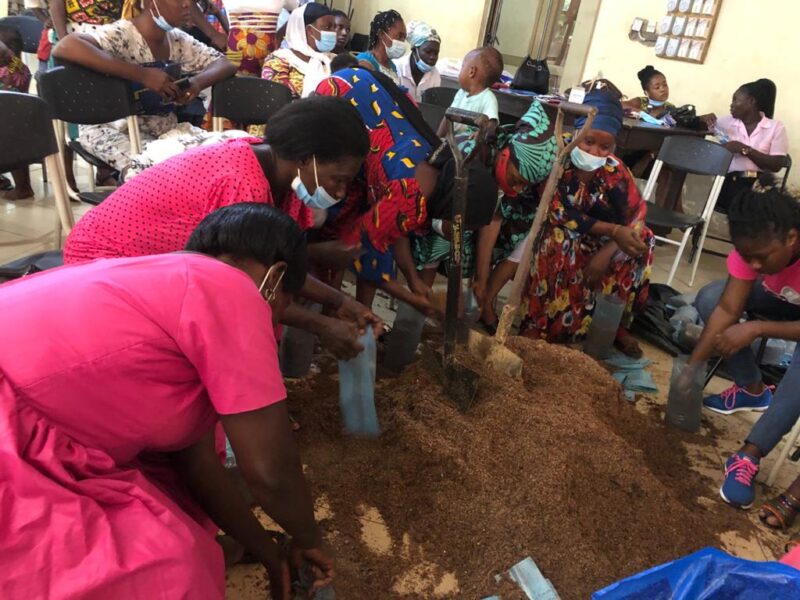
He said his company will soon organise workshops for the TBAs to improve the members' capacity for trade and business transactions.
The workshops, he noted, will strengthen the associations to enable them to have a strong and coherent voice to effectively play their role in the development process and further contribute to the achievement of the government's economic policies.
According to Mr Ameyaw, TBAs in Ghana are weak, poorly funded and lack research and lobbying capacity.
He said the policy environment has remained relatively weak for the private sector despite the government's declared commitment to private sector development.
He suggested that the leadership of business associations should strive for a strong voice in the determination of policy and the allocation of resources, adding that “strengthening business associations is a shared responsibility”.
The RCN merchant indicated that Ghanaian business associations possess the potential to become a force to be reckoned with in the national arena.
However, he added, "What is required is effective leadership that will rise to the challenge and offer the requisite leadership".
He noted that in the current competitive business world, it is almost impossible for any small-scale entrepreneur to survive as an individual.
"The resources of an individual alone might not be adequate to enable him or her to compete effectively with the larger business concerns which use modern and complex scientific methods in production," he explained.
Latest Stories
-
Power restoration fault suspected in Kumasi Central Market fire
1 hour -
The 7-foot giant of Ngleshie Amanfro: Seven-foot Ghanaian Ephraim Saawa dreams of joining the national basketball team
2 hours -
Government promises support for Kumasi Central Market fire victims
2 hours -
Vibes The Movie: Big Ghun’s Ghanaian film earns five nominations at 2026 REFFA
3 hours -
MamaCare CEO warns unresolved conflicts among health workers could undermine maternal and neonatal care
3 hours -
Health professionals urged to translate medical knowledge into practice to save mothers
3 hours -
Conflicts among care providers linked to maternal, neonatal deaths – Expert
5 hours -
GIS marks 10th TIME conference, champions improved teaching practices
5 hours -
BRICS Or Balance? What Ghana’s bid really means
5 hours -
GPRTU wants full TRAFFITECH-GH implementation to start in 2027
6 hours -
Mahama announces plans to import electric wheelchairs for PWDs
6 hours -
KGL U17 Colts 2026: Western beat Prempeh Elite Academy to set up final final with Greater Accra Region
6 hours -
Late Solanke strike salvages 10-man Spurs draw at Man United
6 hours -
Gender Ministry to monitor welfare of Nana Akua Addo’s children amid domestic violence case
6 hours -
Benedict Okyere Yeboah: Ghana’s football problem goes beyond sacking a coach
6 hours