

Audio By Carbonatix
A U.S. congressional watchdog has found no evidence that a 2012 Securities and Exchange Commission (SEC) conflict minerals disclosure rule has reduced violence in the Democratic Republic of Congo, it said in a report on Monday.
Armed groups continue to fight for control of gold mines in the east of the Central African country, the U.S. Government Accountability Office said in its report.
It also said the rule - which requires some companies to report on their use of tantalum, tin, tungsten and gold - has likely had no effect in neighbouring countries.
"GAO found no empirical evidence that the rule has decreased the occurrence or level of violence in the eastern DRC, where many mines and armed groups are located," the report said.
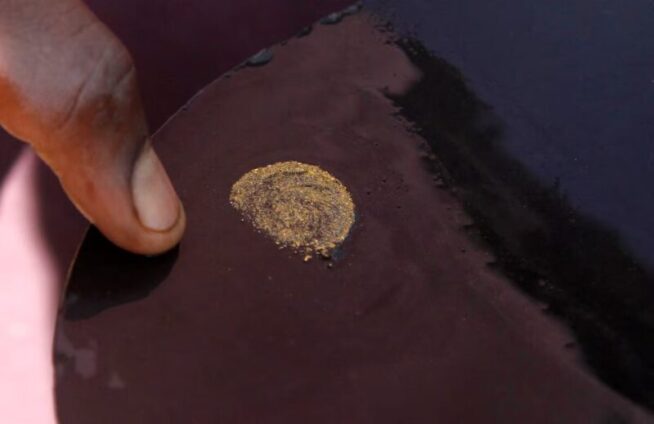
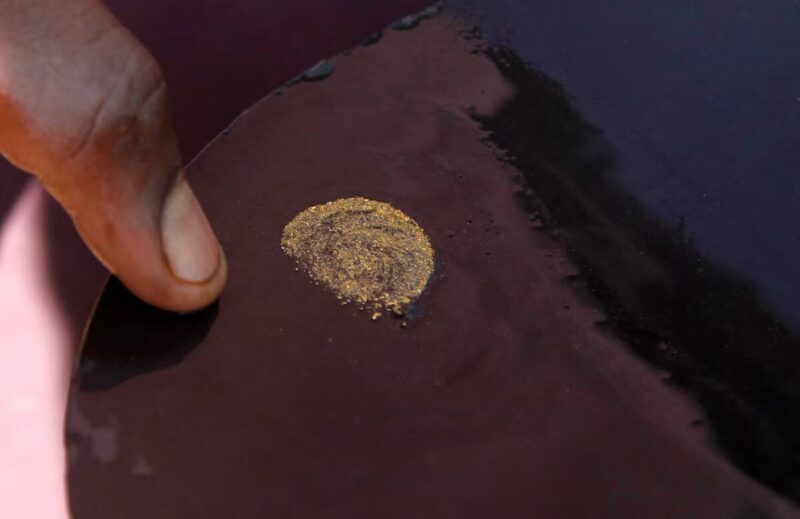
"GAO also found the rule was associated with a spread of violence, particularly around informal, small-scale gold mining sites," it said, adding that gold is the most difficult to trace, and easiest to smuggle, of the four minerals covered by the rule.
Congo is the world's top producer of tantalum, which is considered a critical mineral by the United States and the European Union.
The report added that "the SEC disagreed with some of GAO's findings and raised concerns about some of its methodology and analyses."
The GAO said it made certain adjustments that did not materially affect its findings.
“As the agency noted in comments shared with GAO, SEC staff has serious concerns about the report, including that it makes assertions and reaches conclusions that rest on several erroneous factual assumptions, draws causal inferences that are not supported by GAO's statistical analyses, and deviates significantly from the GAO's previously issued reports," the SEC said.
"GAO had not shared its final report with the SEC until today, so staff is reviewing it to determine if and how GAO addressed the SEC's concerns," it added.
Last year, GAO said that some U.S. companies buying minerals from Congo and its neighbours were failing to meet disclosure requirements.
On Sept. 30, Bintou Keita, head of the U.N. mission in Congo, told the U.N. Security Council that M23 rebels in the east are generating $300,000 per month in revenues in a coltan-mining region they seized earlier this year.
Latest Stories
-
Investigation launched after male body found in County Cork
1 minute -
We have been scammed by NDC, government is only doing PR – Abanga Fuseini
2 minutes -
Tamale Teaching Hospital records 44 new breast cancer cases in six months
4 minutes -
GES declares October 30 CPD day for private school teachers; learners to observe holiday
4 minutes -
South Korea to support Ghana’s forts and castles restoration with $4.5m over five years
5 minutes -
Ashanti Region to get second Passport Application Centre by 2027
9 minutes -
School headscarf ban sparks rare protests in Azerbaijan and row with Turkey
13 minutes -
Ghana explores underwater sightseeing and shipwreck tourism
14 minutes -
Association of Women Lawyers calls for national sexual offenders register to protect school children
15 minutes -
Soaring commodity prices influenced our 2026 revised growth forecast of 5.7 % for Ghana – IMF
18 minutes -
Government urged to recruit more speech therapists to support children with language disorders
20 minutes -
Chef Abbys: Feeding 50,000 people, putting food security on Ghana’s agenda
48 minutes -
Ho set to host Republic Bank–JoyNews Habitat Fair as multiple firms prepare to showcase housing solutions
56 minutes -
NPP demands public inquiry into alleged $600,000 World Cup visa fraud, wants Sports Minister, GTA CEO summoned
1 hour -
I want my brand to be bigger than just music – Yaw Wazinga
1 hour