

Audio By Carbonatix
The Chief Executive Officer of PharmAccess is warning that Universal Health Coverage (UHC) alone cannot guarantee quality healthcare, warning that improving access to healthcare without prioritising quality could lead to disastrous consequences.
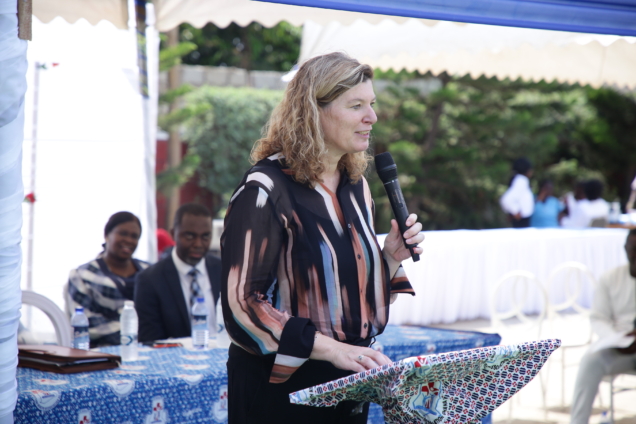
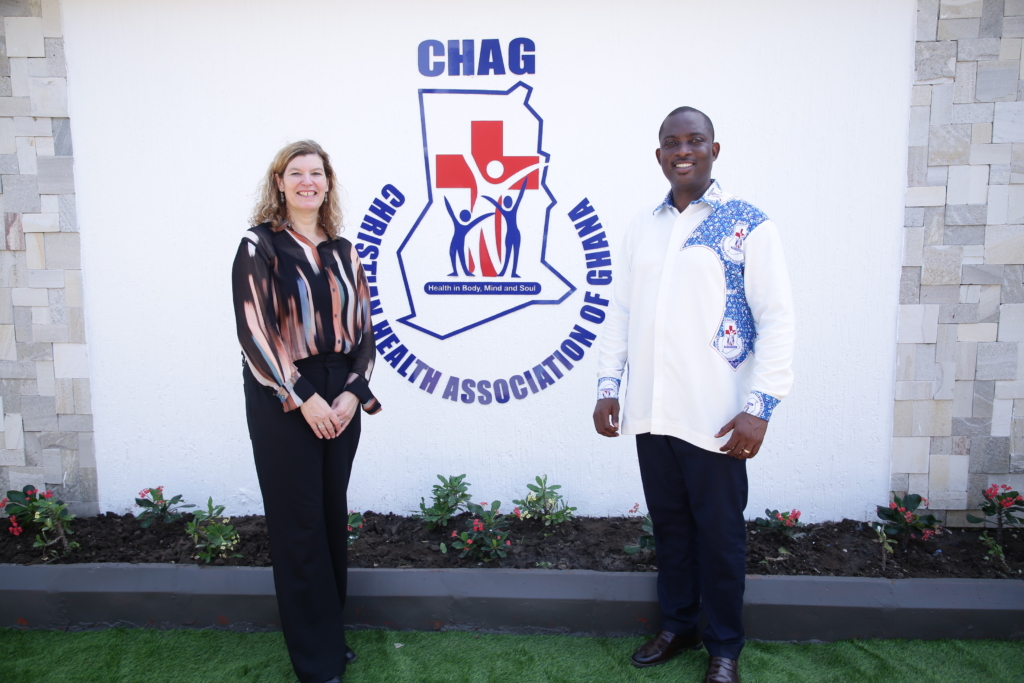
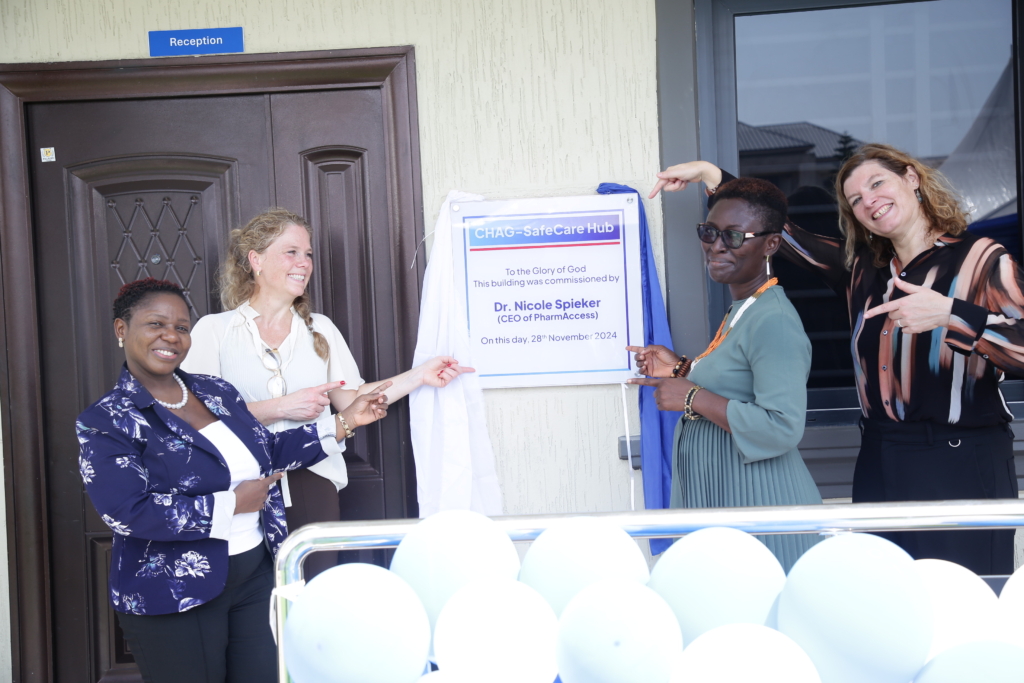
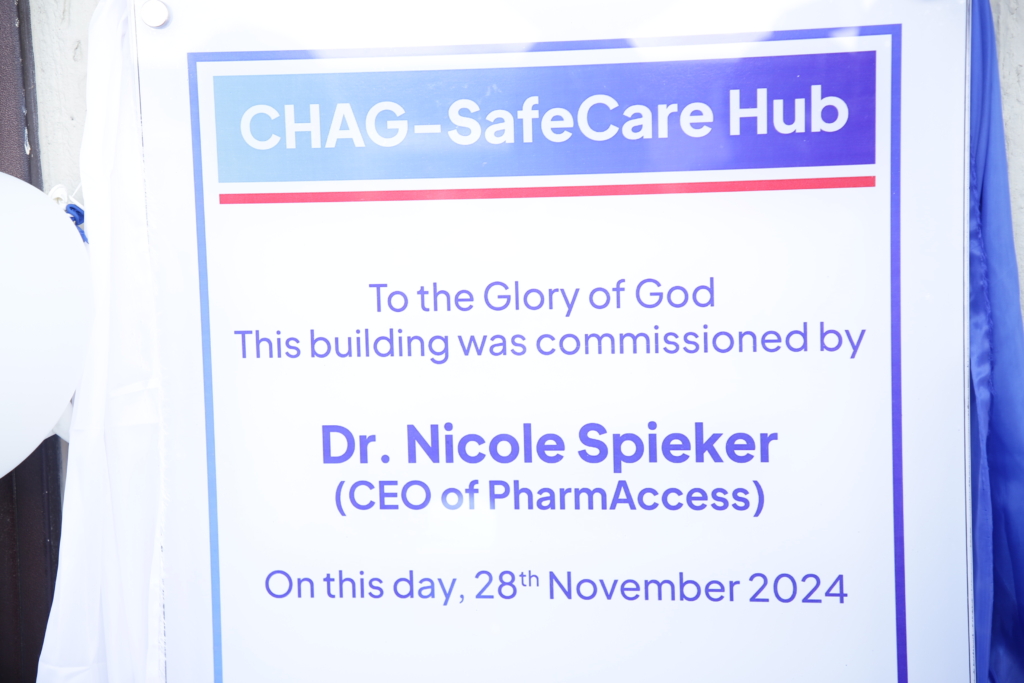
Speaking at the commissioning of the CHAG-SafeCare Hub in Accra, Dr. Nicole Spieker underscored the critical need for healthcare systems to not only be accessible but also capable of delivering high-quality care.
“The journey is not fine yet. We’re losing every year worldwide, three million people to lack of access to quality of care but five million people to lack of quality of care," Dr. Spieker remarked.
She stressed the fact that while access to healthcare is essential, the quality of care provided is even more crucial to saving lives.
The PharmAccess CEO further explained that while many countries have made strides toward UHC, this achievement would be hollow without a commitment to improving healthcare quality.
Dr. Spieker commended Ghana for its leadership in healthcare, noting that the country has been a trailblaser on the African continent in developing inclusive healthcare financing.
“Ghana has been a leader on the continent in showing how inclusive healthcare financing can work, but it can only work if it goes hand in hand with that quality of care,” she stated.
She emphasised that healthcare financing should go hand-in-hand with quality care, warning against a situation where patients have access to healthcare services but receive subpar treatment.
Dr. Spieker also praised the Christian Health Association of Ghana (CHAG) for taking proactive leadership in healthcare quality improvement.

"Institutionalisation and commitment of CHAG to take leadership and ownership and showing that quality of care really is possible even in challenged environments," Dr Spieker said.
The founder of SafeCare pointed out that by recognising small improvements, encouraging those improvements, and finding innovative solutions to quality issues, CHAG has been able to set a strong example for others.
Dr. Spieker also addressed the issue of quality standards, underscoring that healthcare standards should not vary based on geography but should be universally high.
"Quality standards and quality levels are international. There shouldn’t be an African-based quality. It should be international quality, but the means to getting to that international level requires local thinking, local solutions, and local innovations," she remarked.
She highlighted how CHAG has contributed to this global vision, noting that it is part of a growing network working to institutionalise quality healthcare across more than 26 countries.
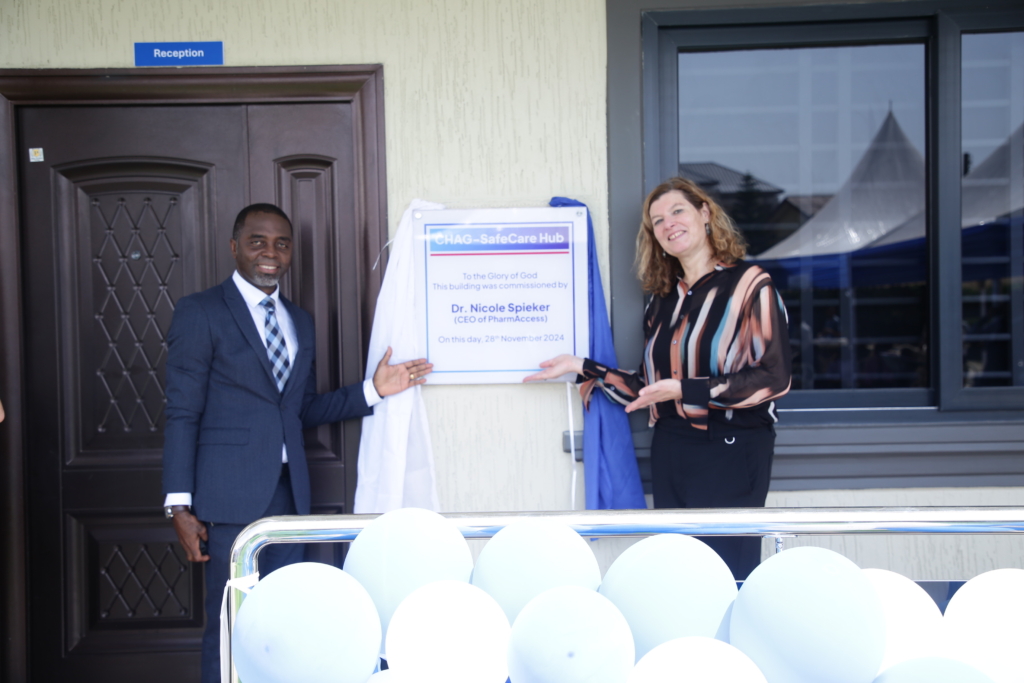
In her address, Dr Spieker also revealed PharmAccess's partnerships with global health organisations, including the World Health Organisation (WHO) and CDC Africa, to enhance healthcare quality and strengthen systems for future pandemics.
"At PharmAccess, we’re also in close collaborations with WHO and CDC Africa in making sure that higher levels of information about the availability of quality services are accessible. Our goal is to build resilient healthcare systems for pandemic response and preparedness," she explained.
However, despite these advancements, Dr Spieker warned that global health goals are still far from being achieved and that there is a need for a concerted effort if the 2030 goals are to be met.
Looking to the future, Dr. Spieker stressed that the commissioning of the SafeCare Hub marks just the beginning of a much larger effort.
She stated the significance of the hub as more than just a physical structure but as a symbol of the ongoing commitment to quality healthcare.
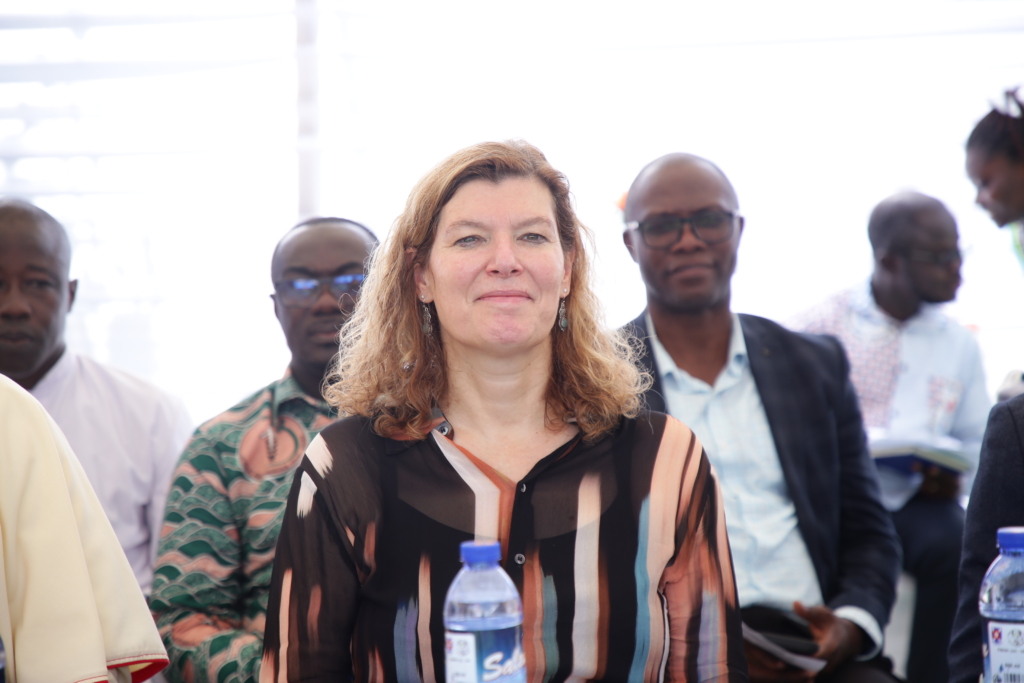
"We are here today to celebrate the commissioning of this beautiful and amazing building. I want to assure you on behalf of PharmAccess that we are not just commissioning a building here.
"We’re commissioning that quality in the hearts, souls, and minds of everyone here, and that’s the true institutionalisation," she remarked.
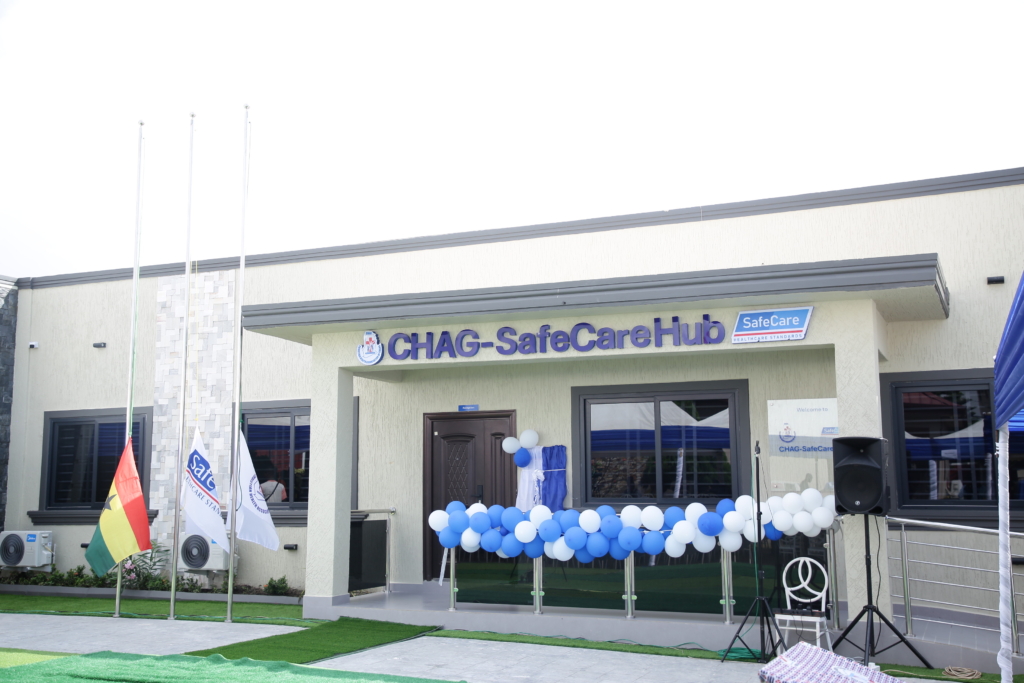
The CHAG-SafeCare Hub is poised to play a pivotal role in healthcare improvement in Ghana. It will serve as a centre for research, training, and promoting safe healthcare practices across the Christian Health Association’s network, which provides care to millions of Ghanaians annually.
While access to healthcare is important, the ultimate goal must be the delivery of high-quality care that respects patients' dignity and ensures their safety.
Latest Stories
-
NAGRAT urges gov’t to communicate early if September deadline cannot be met
10 minutes -
We trust government to meet September deadline on teachers’ promotions – NAGRAT
22 minutes -
“We dare not fail” – Gov’t promises to honour teachers’ promotion pay deal
28 minutes -
The GH¢19.8 billion mirage: Inside Ghana’s state enterprise turnaround
36 minutes -
Luv FM High School Debate: KNUST SHS and Osei Adutwum SHS set up thrilling final after dramatic semi-finals
43 minutes -
KNUST AI Coordinator urges structured adoption of AI in teacher education
56 minutes -
Nepal rescuers blast hillside in search of hydropower workers as families wait anxiously
1 hour -
Teachers who pass promotional exam to get January 2026 start date after gov’t resolves promotion dispute – Dr Apaak assures
1 hour -
NSMQ 2026: St. John’s School rally from slow start to book semi-final spot
1 hour -
Promotion pay row: Gov’t gives teachers September 2026 to complete salary adjustments
1 hour -
Financial irregularities plummet by 62.9% as state tightens fiscal controls
1 hour -
DVLA to expand mobile services to underserved communities in Ghana’s Eastern Corridor of the Northern Region
2 hours -
GUTA urges GPHA to act swiftly to end Tema Port congestion to avert rising business costs
2 hours -
Port congestion could undermine 24-hour economy policy – GUTA
2 hours -
NSA opens three-day window to resolve national service biodata mismatches
2 hours