

Audio By Carbonatix
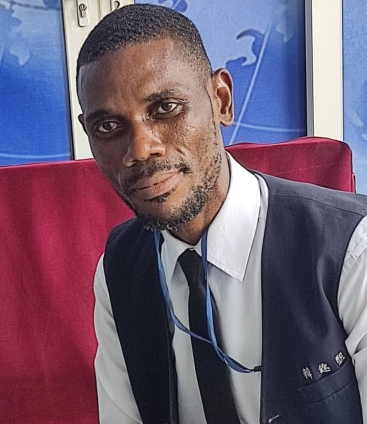
Francis Ahovi, a security analysts and Executive Secretary of Global Security for Africa Research and Good Governance (GLOSARGG), believes that the right individuals with the necessary experience to resolve the longstanding Bawku conflict in the Upper East region are often excluded from the mediation process.
Speaking about the conflict in light of President John Mahama’s recent commitment to resolving the issue, Mr Ahovi commended the President for the initiative. However, he argued that the “sending a sheep to a china shop” approach would not lead to a resolution.
He explained that by the “sending a sheep to a china shop” analogy, he meant that successive governments have failed to involve experienced security experts and the necessary stakeholders in addressing the matter.
“We cannot keep adopting what I call the ‘sending a sheep to a china shop’ approach. It means that if a sheep or goat were placed in a Chinese shop, it wouldn’t find any grass to graze on, because what’s available are canned foods, noodles, and other Chinese foods. The animals are used to cassava leaves, corn, and things they are familiar with and these things cannot be found in the China shop. That’s exactly what’s happening with the Bawku conflict. We are sending people without the requisite skills and strategies to solve the issue,” he explained to MyJoyonline.com
Mr Ahovi further stated that those typically involved in mediation efforts often possess popularity but lack competency. “They just have big names; we need people who are qualified and capable of doing the work to resolve the issue,” he said.
He argued that those who would be selected for the President’s mediation efforts should be thoroughly vetted to ensure they have no personal interests in the area. “Do the factions involved in solving the issue have any connection to the conflict? When we dig into the root causes, do these individuals have any political or historical ties to it?” he questioned.
The security analyst, a product of the Kofi Annan International Peacekeeping Training Centre, suggested that a “localized approach” be adopted. “The people in the area must be sensitised in such a way that their awareness level increases, and they gain what I call self-consciousness, where they will understand the importance of human life,” he added.
Mr Ahovi also stressed that the approach used to resolve conflicts in Accra should not be applied to the Bawku crisis. “We cannot rely on the curriculum we use for people in Accra to resolve the Bawku conflict,” he said.
The Bawku conflict, which has spanned many years, has claimed many lives in the disputed areas. Despite numerous mediation efforts, clashes continue between the locals, resulting in property destruction, gunfire, and other unlawful acts.
Latest Stories
-
Photos: Pete Edochie meets GoldBod CEO Sammy Gyamfi over African youth mentorship initiative
59 seconds -
Black Maidens: Ghana’s envious record at U-17 Women’s World Cup ahead of seventh appearance
13 minutes -
BoG cautions public against 20 unlicensed mobile loan apps
22 minutes -
Mahama urges tougher enforcement of building regulations over recent collapses
26 minutes -
FWSC denies reports of salary deductions for striking teachers
30 minutes -
Rooted like a tree, responsive like a river: Dr Amin Adam calls for new model of Imamship to meet modern realities
38 minutes -
La Traditional Council secures suspension of SSNIT’s La Pleasure Beach redevelopment plans
43 minutes -
Joy FM listeners support mother seeking treatment for 3-year-old daughter after alleged sexual abuse
47 minutes -
German Unity Day celebrated with music, art and Ghana-Germany friendship in Accra
50 minutes -
MEHSOG and GFD build capacity of Ashanti Region journalists on inclusive disability reporting
51 minutes -
A woman should not have to choose between being fed and being safe
56 minutes -
“Wontumi doesn’t like where he is”– Palgrave Boakye
1 hour -
The Labadi shoreline demolitions: Who owns the beach?
1 hour -
Cedi will continue to be stable – Deputy Finance Minister
1 hour -
Minority urges full probe into World Cup visa allegations after Ampofo Ankrah’s removal
1 hour