

Audio By Carbonatix
The Ghana College of Physicians and Surgeons (GCPS), in collaboration with the National Institute for Health and the NIHR Global Health Research Centre for Non-Communicable Diseases Control in West Africa, has launched the STOP-NCD Campaign.
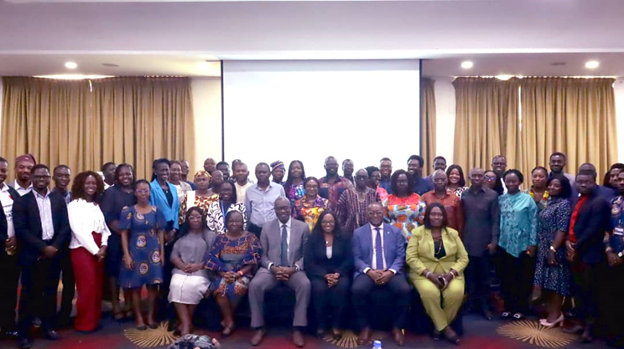
This initiative aims to assess existing gaps and opportunities in healthcare delivery while co-designing and evaluating effective interventions to combat non-communicable diseases (NCDs) such as hypertension, diabetes, and mental health disorders.
Researchers have raised concerns over the increasing burden of NCDs in West Africa, particularly in Ghana, where these chronic conditions are rising alongside persistent infectious diseases like cholera and meningitis. This double burden is straining healthcare systems that are often ill-equipped to handle both communicable and non-communicable diseases simultaneously. In response, the UK National Institutes of Health has partnered with GCPS and health researchers to investigate the crisis over the past 18 months in Ghana, Niger, and Burkina Faso.
Findings from these studies are now being shared with the public and stakeholders to inform policy and intervention strategies.
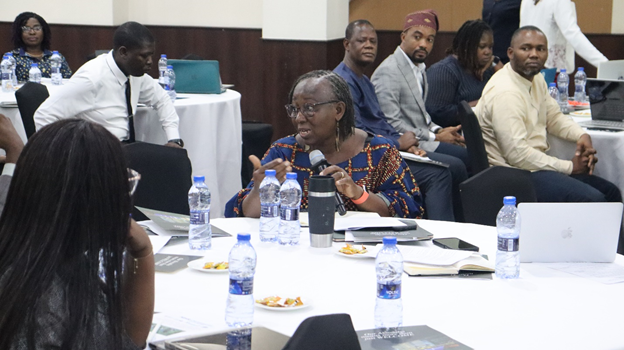
Speaking at the stakeholder forum on February 13, Prof. Irene A. Agyepong, Chief of the Faculty of Health at GCPS, addressed these challenges, emphasizing the need for patients to carefully monitor their medication use.
"Ensure that the medicines you use are being monitored for their effectiveness and potential side effects. Many people purchase medications and self-administer them without proper supervision, which can be harmful," she cautioned.
Globally, NCDs are a leading public health challenge, responsible for approximately 41 million deaths annually. In Ghana, challenges such as inadequate healthcare professionals in rural communities and the high cost of medications have led many individuals to rely on traditional medicine, sometimes with limited success.
Dr. Sylvia Anie, Co-chair of the WHO Expert Panel on Sexual & Reproductive Health, underscored the importance of national stakeholder engagement in addressing NCDs.
"Bringing key national stakeholders together to discuss best practices for NCD control is both timely and essential. This forum has provided a valuable opportunity to share findings from situational analyses and discuss strategies for NCD prevention, education, and screening," she stated.
To effectively combat NCDs, health experts advocate for community-driven solutions rather than solely relying on top-down policies. Expanding healthcare delivery, enhancing public health education, and implementing effective health reforms are seen as critical steps toward a more responsive healthcare system. With the crisis escalating, researchers stress the need for immediate action.
"You can't just sit in an office and design solutions—you have to work directly with the people affected," Prof. Agyepong emphasized.
As Ghana battles this evolving health grievances, collaborative, research-backed interventions are expected to alleviate pressure on the healthcare system and improve long-term health outcomes for its citizens.
Latest Stories
-
Labour Minister wants SOEs to help shape new public pay system
4 hours -
IPEC will ensure Equity and Sustainability in SOEs Compensation
5 hours -
White House bars CNN from travelling with Trump on Air Force One
5 hours -
Fennis wins second consecutive ITF J60 title in Accra
5 hours -
Spain beat England in thriller after Kane penalty miss
6 hours -
GPL 2026/27: Zaidan’s late goal ends Hearts of Oak unbeaten start
6 hours -
CEOs demand clarity on pay harmonisation, board autonomy as FWSC engages SOEs bosses over IPEC transition
6 hours -
2026 Women’s Super Cup: FC Savannah, Epiphany Warriors maintain top spots ahead of final group games
6 hours -
‘Is EOCO responsible for determining lawyers’ fees?’ – Baffour Awuah
6 hours -
David Beckles claims second J60 Accra title
6 hours -
No France cocaine suspect linked to Mahama, Vice President’s security details – NACOC
6 hours -
Anwelle Foundation launched in Jirapa to tackle poverty, youth unemployment
7 hours -
Joy Sports Editor Fentuo Tahiru Fentuo to moderate inaugural Music Meets Football Summit in Zambia
7 hours -
Court premises too volatile for Baffour Awuah’s attempted arrest by EOCO – Inusah Fuseini
7 hours -
Drug bust: Under no circumstances will NACOC leadership be compromised – Twum-Barimah
7 hours