


Audio By Carbonatix
Gender advocates are calling for more deliberate efforts to ensure fair representation of women in leadership and governance.
Speaking on the first episode of Women Rising — a JoyNews-Star Ghana Foundation initiative, funded by the Foreign, Commonwealth & Development Office — panelists acknowledged progress in women’s inclusion but stressed that much work remains to meet the 30% minimum quota outlined in the Affirmative Action (Gender Equity) Act, 2024 (Act 1121).
The Act, passed by Ghana’s Parliament on July 30, 2024, and assented to by the President on September 11, 2024, represents a crucial step toward gender equity and women’s empowerment. Yet, women’s representation in governance, politics, and leadership still falls below the required threshold.
Executive Director of the Gender Centre for Empowering Development (GenCED), Esther Tawiah, attributed godfatherism and political monetization as one of the major barriers hindering women’s participation in leadership.
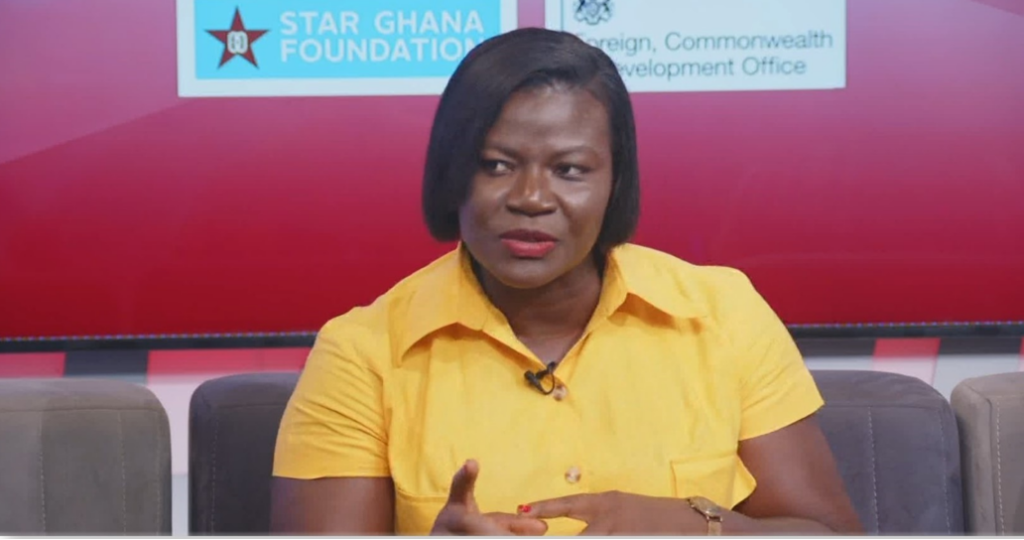
“Our political party system is built on godfatherism, wealth, and deep-rooted traditions, where appointments are shaped by family ties to influential groups like the Danquah-Busia tradition or the NDC. These dynamic favors men, marginalizing women and contributing to their underrepresentation,” she stated.
Labor expert Bashiratu Kamal emphasized that beyond legal frameworks, societal attitudes toward women in leadership must shift. She revealed that gender-based violence and entrenched biases continue to hinder women’s political progress.
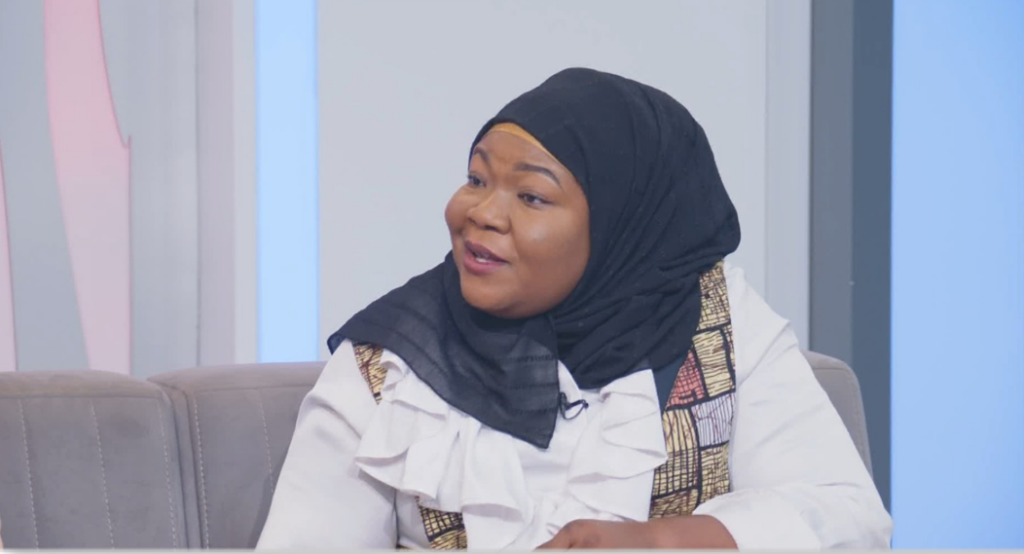
“One of the greatest challenges women face in advancing within political parties and reaching top positions is gender-based violence. Additionally, competency standards set by men create barriers that prevent qualified women from achieving their goals,” Kamal asserted.
Head of Programs at STAR-Ghana Foundation, Eunice Agbenyadzi, called on the media and civil society organizations (CSOs) to track the effectiveness of the Affirmative Action Act’s implementation through presidential appointments.
“We need to monitor appointments to ensure the 30% target is met, despite political tensions and resistance to recognizing women’s contributions. Civil society and the media must hold the government accountable,” she urged.
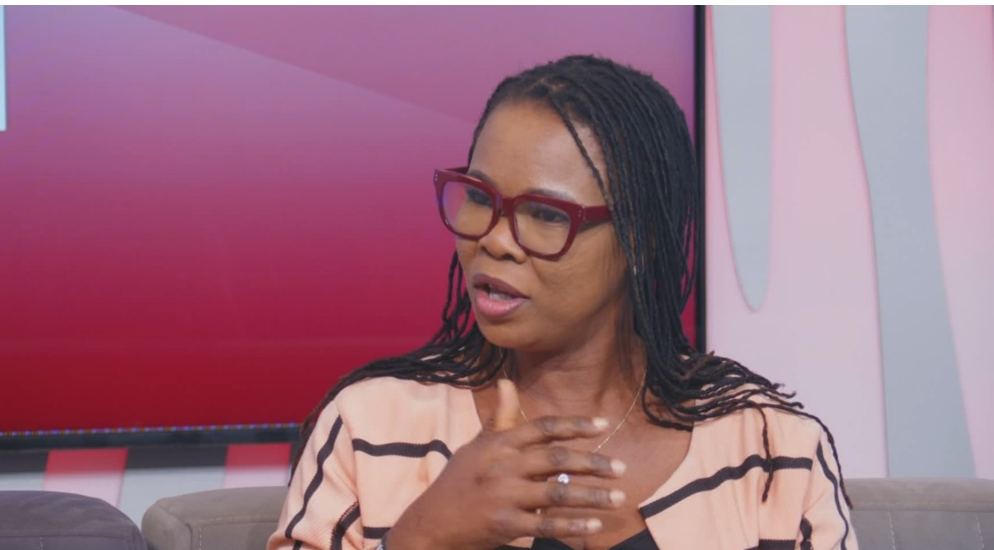
The Women Rising show also provided a platform for the live studio audience to share their perspectives and pose critical questions demanding national attention.
As Ghana moves forward, the Affirmative Action Act is seen as a pivotal tool for dismantling barriers and promoting a more inclusive political landscape.
Latest Stories
-
Unauthorised drone flights banned at Manhyia Palace
12 minutes -
Aksa bribery scandal: Ghana’s probe must be pursued with speed – Dafeamekpor
28 minutes -
Samson’s Take: When religion threatens peace, sanity must prevail
59 minutes -
Friendship: Why time matters less than continuity
1 hour -
Africa’s AI moment: They say data is the new gold. But who is drilling it?
1 hour -
Ghana delivers strong performance in retail market in half-year; value up 15.6% – Maverick Research
1 hour -
The world’s oldest president left for a ‘brief stay’ in Europe. He hasn’t returned in two months
2 hours -
Parliamentary committee commends GIPA’s investment drive, backs key reforms
2 hours -
Livestream: Newsfile discusses AKSA energy deal, legal vacation and GoldBod losses
2 hours -
Jason Arday: 10 things you may not know about British-born Ghanaian former Cambridge professor found dead at 41
4 hours -
KNUST partners with government to manufacture locally-made agricultural machines and smart traffic lights
4 hours -
Government to add constitutional referendum to 2027 District Assembly elections
5 hours -
Ambassador Nancy Sam meets South Africa’s Thanda to strengthen Africa tourism collaboration
6 hours -
Government disburses GH¢23.1 billion to clear road contractors’ arrears – Roads Minister
6 hours -
NPP Ashanti elections: 1,020 delegates to choose 11 regional executives
7 hours