

Audio By Carbonatix
The way we conduct our politics today demands significant financial resources to run effective and successful electoral campaigns. Undoubtedly, private financing of political parties often evokes public distrust and cynicism. These concerns are not misplaced, as the motives of both donors and recipients can be questionable.
For our democracy to be sustainable, we must explore more appropriate and acceptable methods of financing political activity—methods that ensure all segments of society have equal opportunities to participate in political processes and decision-making. Research shows that marginalised groups, including women, the poor, ethnic minorities, and indigenous peoples, often lack access to financial resources and are thus underrepresented or entirely excluded from political life.
The Attorney-General, Dr Dominic Ayine’s press conference on 30th April, 2025, in which he disclosed receiving a donation from one “Sledge” and claimed that all parliamentarians are guilty when it comes to receiving donations, has brought to light critical nuances in political party financing that demand careful examination and direction.
This call is urgent because disproportionately large donations—often from corporate, illicit, or foreign interests—may be made to secure specific outcomes or preferential treatment that undermines the public interest. Unscrupulous political sponsors frequently deploy lobbyists in the legislative branch to draft bills that shield their wealth, avoid taxes, and reinforce their power.
Corruption in political party financing is a serious threat to democracy and economic development. We know that illicit financing can result in the infiltration of organised crime into politics or even “state capture,” where private interests control public policy. At the very least, it leads to undue influence and policy distortion. These dangers erode public trust in both government and political institutions.
Donations—whether in cash or in kind—are not inherently bad. However, as established above, they can lead to harmful consequences if left unchecked. For this reason, we must strive for transparency in political financing to preserve the integrity of our political system.
To achieve these objectives, I pose the following questions:
- How can we mitigate the harmful effects of illegal and improper financing in our politics?
- How can we ensure that true transparency is realised in our growing democracy?
- What fundamental steps are necessary to establish a viable political finance system in emerging African democracies?
Conclusion:
The purpose of these questions is to provoke thought and deepen our understanding of this often-overlooked yet critically important issue. I seek to raise awareness of the risks and potential benefits of open financing, and to invite suggestions on practical, technical solutions that could enhance disclosure and strengthen our democratic processes.
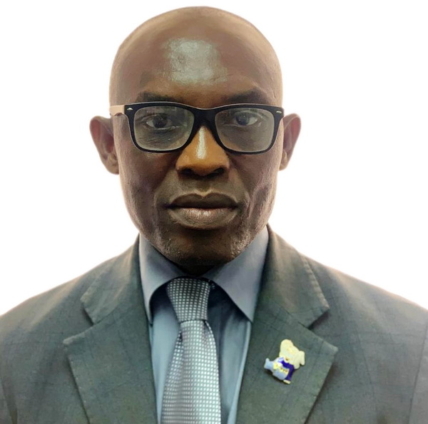
~ The writer, Henry Adjei Boadi, is a corporate generalist and researcher.
Latest Stories
-
Government to procure furniture to help more SHSs move from double-track — Haruna Iddrisu
5 minutes -
Adutwum spokesperson alleges ‘turf war’ between Education Ministry and GES over Free SHS
7 minutes -
Black Stars: Adu Kwabena a doubt for September-October games after head injury
20 minutes -
Fire guts four-bedroom apartment at Millennium City
21 minutes -
KMA seeks funding to restart stalled Kumasi Central Market Phase II project
42 minutes -
Government unveils new guidelines to improve regulation of non-profit organisations
47 minutes -
Annoh-Dompreh cautions against partisan application of law in political speech cases
54 minutes -
Oti Peace Council sensitises Assembly Members in Jasikan, Kadjebi on conflict prevention
1 hour -
Nawara petitions Ghana Police over alleged armed raid, gold seizure and destruction of mining equipment
1 hour -
Ahafo Ano South West DCE Abubakar Sedik dies after brief illness
1 hour -
Ghana must draw lessons from Nkrumah’s Seven-Year Development Plan — Kwesi Pratt
1 hour -
Oil hits over 1-week low on hopes of boost to diplomacy in Iran war
3 hours -
They take GH¢100, sometimes GH¢200 – Okada riders allege police extortion in Accra
3 hours -
NACOC: We’ve found no presidential escort among suspects in €225m France cocaine case
3 hours -
Don’t turn students away over trunks and chop boxes – GES
3 hours