


Audio By Carbonatix
Researchers at the Kwame Nkrumah University of Science and Technology (KNUST), Kumasi, have taken their work beyond the lab to support local fish farmers.
A team from the Department of Fisheries and Watershed Management, led by Prof Daniel Adjei-Boateng, has been investigating the nutritional requirement of the larvae, fry and fingerlings of the African bonytongue fish (Heterotis niloticus) popularly called “Supaku”
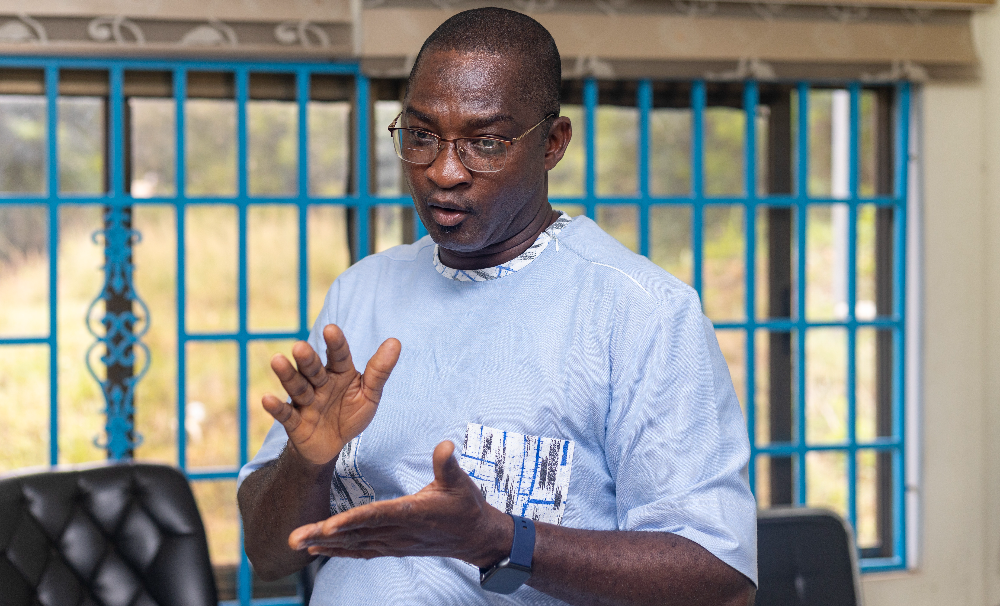
The team recently completed a project titled “Improving the Productivity of Ghanaian Aquaculture Project” (GHA-18-16), which focused on reducing the high larval mortality rates by identifying suitable live feed organisms to boost larval survival. The team also developed a weaning protocol to successfully raise the larvae to fingerling stage for culture to marketable size.
To bridge the gap between research and real-world application, the team hosted its first Science Engagement forum for fish farmers in the Ashanti Region at the Fisheries Commission Office in Kumasi.
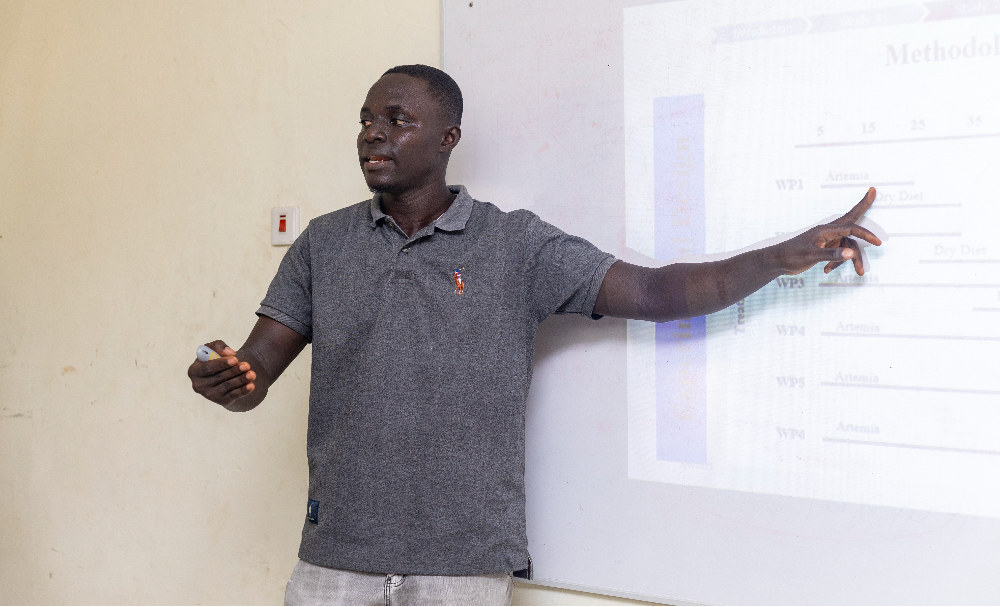
The forum, themed “Developing the Commercial Culture of the African Bonytongue Fish,” was led by Dr Prince Ofori-Darkwah, a team member.
At the forum, farmers were introduced to best practices in the transport and handling of both larval and adult fish. They were also trained on developing live feed for the African bonytongue and taught weaning protocols to transition fry onto dry diets, an essential step for improving survival in culture systems.
Beyond farming techniques, the research team is collaborating with KNUST’s Department of Food Science and Technology in developing value-added products such as fish sausages and fish nuggets from Supaku. These innovations are intended to diversify product forms and boost the market appeal of the African bonytongue.
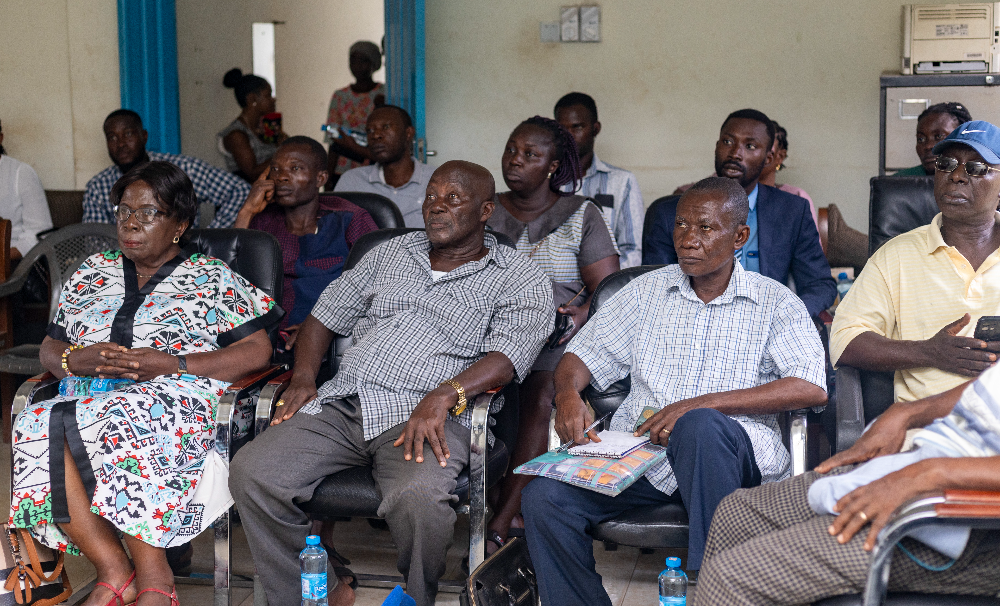
The Head of Department, Prof Regina Esi Edziyie, explained, “This was just about sharing information, but you can already see there’s a lot of interest, and people are asking very specific questions. Saying it and doing it are two different things, so the next engagement will focus more on skill development. They'll come to our farm, put what we’re teaching into practice, and we’ll assist them in developing materials they can take back and refer to later.”
Participants shared their experiences, expressed appreciation for the support, and welcomed the researchers’ willingness to engage and educate.
Latest Stories
-
Ghana explores centre of excellence for hearing, communication and cochlear implant care
42 minutes -
Schizophrenia-related disorders lead mental health cases recorded in Ghana
1 hour -
Dutch authorities enlist Ghana in hunt for fugitive drug lord Bolle Jos
1 hour -
Ghana housing finance conference adopts communiqué to improve affordable housing access
6 hours -
Special Initiatives Minister urges Wa Technical Institute to enrol more girls as EU-backed solar training lab opens
6 hours -
In the matter of my first year at the Bar
7 hours -
ActionAid Ghana calls for an end to child marriage, greater investment in girls’ rights
7 hours -
Newsfile to tackle World Cup visa scandal, beach demolitions, education strikes, BRICS bid
7 hours -
UK-Ghana Trade & Investment Summit: Trade Resource Centre to help businesses maximise UK-Ghana trade opportunities
7 hours -
Embassy of Denmark celebrates World Maritime Day
7 hours -
Linking LEAP to productive inclusion could cut extreme poverty by 2030 – UNICEF
9 hours -
Trade Ministry backs use of creative arts to rehabilitate prison inmates
9 hours -
Negotiations with government to continue despite strike suspension – GNAT
9 hours -
‘Ghana cannot afford to waste public resources; every cedi has a job’ – Ato Forson
9 hours -
Ghana expects economic boost as World Assemblies of God Congress brings 10,000 delegates to Accra
9 hours