


Audio By Carbonatix
In November 1991, a satirical headline in KATNEWS, a newsletter circulated among residents of University Hall at the University of Science and Technology (now KNUST), posed a light-hearted yet provocative question: “Any Kat Ladies?”
At the time, the idea of female students living in University Hall, popularly known as Katanga, seemed improbable. The reference came amid the conversion of two other halls, Republic and Independence, into mixed-gender residences.
Katanga, however, remained all-male, a status the KATNEWS piece noted with dry humour: “Kat was left out for the meantime... observers point out that Kat has always showcased beautiful Katladies during Hall Week variety nights.”
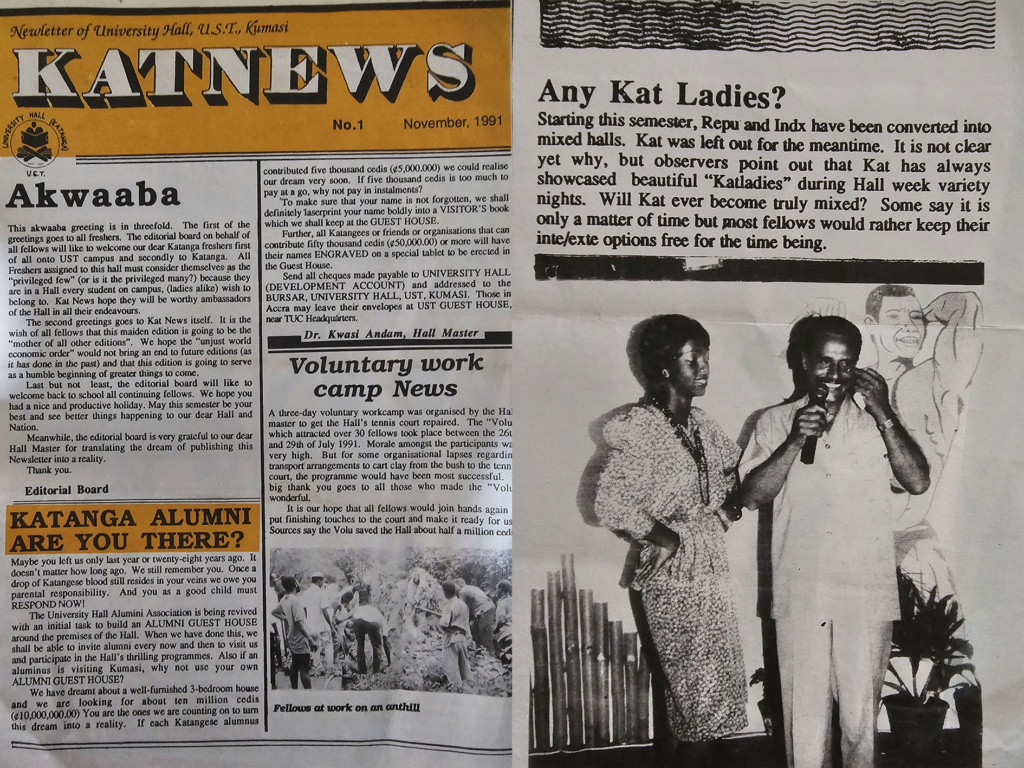
Decades later, that tongue-in-cheek query resurfaced in a very different context, one marked by campus protests, national media coverage and a formal policy shift by university authorities.
Under the administration of Vice-Chancellor Professor Kwasi Obiri-Danso, KNUST announced plans to convert University Hall and Unity Hall into mixed-gender accommodations. The change, framed as part of a broader strategy to improve access and inclusion in student housing, quickly met resistance.
Alumni of University Hall organized a protest in Accra, marching from Kwame Nkrumah Circle to the Ministry of Education to deliver a petition. Placards read “Say no to mixed halls” and “Preserve Katanga’s legacy,” underscoring the emotional and cultural significance of the hall to its former residents.
Critics of the policy argued that the move threatened the unique identity and long-standing traditions of University Hall, known for its emphasis on student activism, male bonding and leadership training. Supporters of the policy, including university management, emphasized the need to accommodate increasing student numbers and promote a more inclusive campus environment.
The tensions echoed similar developments at the University of Ghana in 2010, when proposed changes to the all-male Commonwealth Hall sparked debates over tradition, equity and institutional direction.
Today, University Hall operates as a mixed hall in line with the university's housing policy. While the transition remains a point of contention among some alumni and students, it marks a clear shift in how institutions like KNUST are navigating the balance between tradition and reform.
The satirical question from 1991, “Any Kat Ladies?”, has thus moved from jest to reality, reflecting broader societal changes and the challenges of policy implementation in higher education.
Latest Stories
-
Mahama Ayariga urges banks to take responsibility for beautifying public spaces
34 minutes -
Account for the old economy before selling us a new one
1 hour -
Abanga sets 4 million youth-vote target for Bawumia ahead of 2028 election
1 hour -
Gold edges lower with focus on Fed minutes, rate path clues
1 hour -
Oil prices rise as storms and air strikes threaten supply
2 hours -
Nigeria nears 2,000 repatriations from South Africa after latest evacuation flight
2 hours -
‘How can an office…close at 5pm?’ – Abanga questions 24-Hour Economy
2 hours -
‘4 million is possible’ – Abanga unveils NPP’s youth-vote battle plan
2 hours -
‘I never gave up’ – Abanga Fusani reflects on journey to NPP Youth Organiser victory
3 hours -
World Bank maintains Ghana’s growth rate forecast at 4.8% in 2026
3 hours -
Cedi was worst African currency in quarter 2, 2026 – World Bank
3 hours -
US death row inmate Christa Pike awake and speaking after failed execution, lawyers say
3 hours -
AI gains can lift three times as many people out of poverty in Ghana – World Bank
3 hours -
Scammers target ECG customers with fake meter sales and MoMo payment calls
5 hours -
Abanga Fusani credits hard work and consistency for NPP Youth Organiser victory
5 hours