


Audio By Carbonatix
In November 1991, a satirical headline in KATNEWS, a newsletter circulated among residents of University Hall at the University of Science and Technology (now KNUST), posed a light-hearted yet provocative question: “Any Kat Ladies?”
At the time, the idea of female students living in University Hall, popularly known as Katanga, seemed improbable. The reference came amid the conversion of two other halls, Republic and Independence, into mixed-gender residences.
Katanga, however, remained all-male, a status the KATNEWS piece noted with dry humour: “Kat was left out for the meantime... observers point out that Kat has always showcased beautiful Katladies during Hall Week variety nights.”
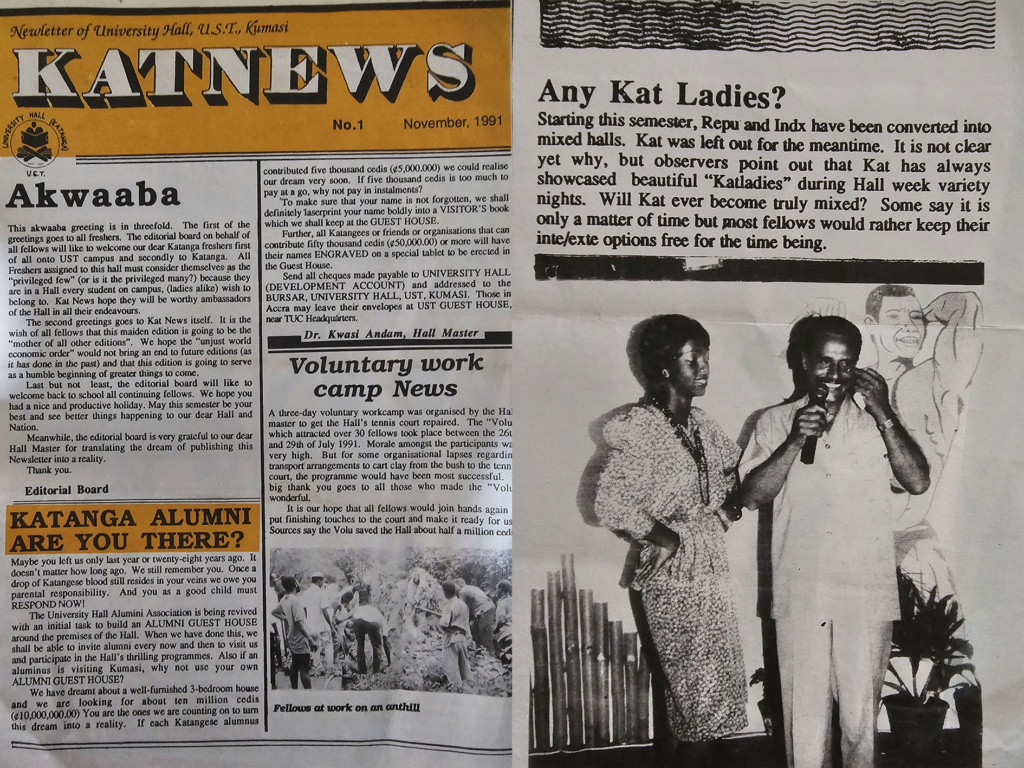
Decades later, that tongue-in-cheek query resurfaced in a very different context, one marked by campus protests, national media coverage and a formal policy shift by university authorities.
Under the administration of Vice-Chancellor Professor Kwasi Obiri-Danso, KNUST announced plans to convert University Hall and Unity Hall into mixed-gender accommodations. The change, framed as part of a broader strategy to improve access and inclusion in student housing, quickly met resistance.
Alumni of University Hall organized a protest in Accra, marching from Kwame Nkrumah Circle to the Ministry of Education to deliver a petition. Placards read “Say no to mixed halls” and “Preserve Katanga’s legacy,” underscoring the emotional and cultural significance of the hall to its former residents.
Critics of the policy argued that the move threatened the unique identity and long-standing traditions of University Hall, known for its emphasis on student activism, male bonding and leadership training. Supporters of the policy, including university management, emphasized the need to accommodate increasing student numbers and promote a more inclusive campus environment.
The tensions echoed similar developments at the University of Ghana in 2010, when proposed changes to the all-male Commonwealth Hall sparked debates over tradition, equity and institutional direction.
Today, University Hall operates as a mixed hall in line with the university's housing policy. While the transition remains a point of contention among some alumni and students, it marks a clear shift in how institutions like KNUST are navigating the balance between tradition and reform.
The satirical question from 1991, “Any Kat Ladies?”, has thus moved from jest to reality, reflecting broader societal changes and the challenges of policy implementation in higher education.
Latest Stories
-
I’ll exploit NDC’s complacency if elected NPP Communications Director – Dennis Aboagye
15 minutes -
Saalim Bamba files nomination to contest NPP National Nasara organiser position
21 minutes -
Norway’s royal family gathers at King Harald’s bedside as his condition worsens
22 minutes -
Merqury Republic returns to Takoradi with Guinness Ghana DJ Awards Pub Fest this Saturday
27 minutes -
Uefa pursuing criminal legal action against Infantino and Fifa
29 minutes -
Ghana Maritime Authority partners with Upper West Assemblies and traditional leaders to enforce inland water safety
32 minutes -
NSMQ 2026: Revenge complete as TAMASCO sends Aquinas packing, books quarter-final spot
33 minutes -
I don’t know who facilitated my nomination – Supreme Court nominee Amoako Asante
34 minutes -
World Bank’s Ghana poverty findings vindicate our April 2026 wellbeing report – APL
42 minutes -
Tiwa Savage pushes back against criticism over female collaborations
43 minutes -
Treat private schools as partners, not pressure group – Bagbin
52 minutes -
Fire guts chop bar at South Odorkor, no casualties recorded
54 minutes -
Uganda declares end to Ebola outbreak after 42 days without a new case
57 minutes -
I’m the youngest but most experienced NPP chairman aspirant – Nana B
58 minutes -
Appointments Committte Chairman rejects Minority’s objection to rushed Supreme Court vetting
60 minutes